Science news and discussion on TalkFuse.
Killer whale is spotted with shotgun pellet wounds off Spain – following spate of orca attacks on yachts
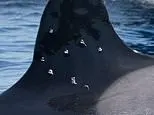
A killer whale nicknamed Toñi, or "La Abuela" (the grandmother), has been found off Cadiz in southern Spain with wounds consistent with shotgun pellets, prompting an investigation by Spanish authorities with support from Portugal. At around 60 years old, Toñi is the oldest known member of the critically endangered Iberian orca population, and the incident has been condemned by Spain's environment minister as a serious crime against a vulnerable species.
Conservation groups WeWhale Association and Iberian Orca Guardians say photographs show roughly ten shotgun pellet impacts on the left side of Toñi's dorsal fin, with two or three projectiles believed to have passed through it; the whale had been photographed uninjured only weeks earlier, indicating the shooting was recent. The discovery follows a series of orca encounters with boats in the Strait of Gibraltar and off Portugal, including the sinking of a yacht called Idem off north-west Spain in July after orcas rammed it and three other vessels near Estaca de Bares, though its occupants were unharmed.
In short
- Endangered orca Toñi found with apparent shotgun wounds off Cadiz, Spain
- Spanish authorities investigating with Portuguese assistance
- Follows recent spate of orca attacks damaging or sinking yachts
Steelman: both sides, in good faith
The strongest fair case each way — we don't pick a winner.
The case for
Toñi represents an irreplaceable individual from a critically endangered population; her injury represents a serious threat to the genetic and ecological recovery of a species already devastated by human activity. Harming an endangered animal violates Spanish and international law; the proper approach to orca encounters is implementing proven non-lethal solutions including acoustic deterrents, modified shipping protocols, and seasonal restrictions that protect both human safety and the species' survival.
The case against
Orcas have engaged in dangerous, escalating attacks on vessels in the region, including sinking boats with people aboard, creating legitimate concern for maritime safety and community protection. When wildlife repeatedly threatens human life and livelihoods, the expectation that communities indefinitely tolerate dangerous behaviour from even critically endangered species is unreasonable; managing human-wildlife conflict sometimes requires intervention to make shared waters safe for human use.
Explained simply
Iberian orcas are a small, critically endangered population that lives around the Strait of Gibraltar and nearby parts of the Atlantic. Toñi, also known as “La Abuela”, is an older female in this group and is thought to be about 60 years old.
In recent years, some orcas in the area have approached and struck boats, sometimes damaging them. Researchers are still studying why this happens; such encounters are unusual behaviour and do not mean every orca is involved.
The population’s small size makes the health and survival of individual whales important. Spanish and Portuguese authorities monitor the animals and investigate suspected harm to them, while conservation groups document their condition and behaviour.
Environment Europe Geopolitics Politics Science World