World news and discussion on TalkFuse.
Wildfires, heat waves and blackouts exposed the green agenda’s dangerous flaws
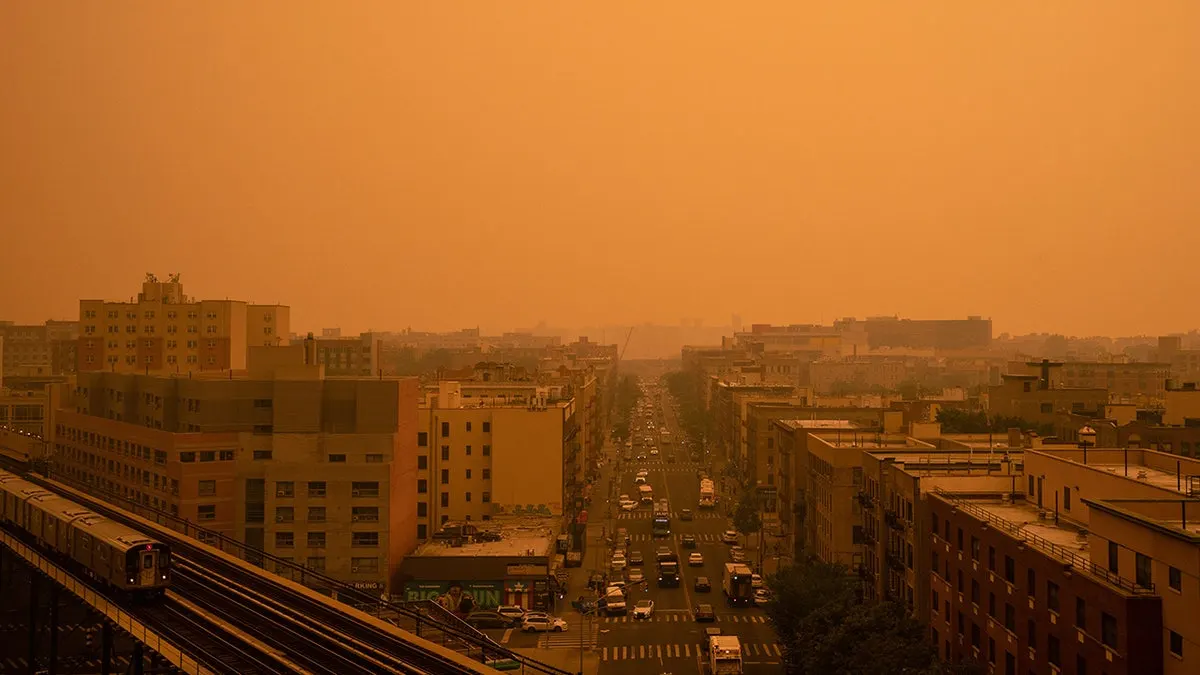
An opinion piece argues that this summer's wildfires in Canada, a deadly heat wave in Europe and grid strain in New York expose failures of mainstream environmental policy, contending that green ideology has increased risks to public safety without delivering promised environmental benefits. The author cites Canada's forest management restrictions, low European air conditioning uptake and the closure of a US nuclear plant as examples where environmentalist-influenced decisions are said to have worsened outcomes.
The piece notes that over 800 wildfires burned in Canada this summer, sending smoke to more than 100 million Americans, and that the 2023 Canadian wildfires released nearly 480 megatonnes of carbon. It also states that roughly 14,000 people died in a European heat wave, attributing the toll partly to low air conditioning use (around 20% in Europe versus 90% in the US), while highlighting record heat in Washington DC on 4 July and New York Mayor Zohran Mamdani's request for residents to raise thermostats to conserve grid power. The article further references the 2021 closure of Indian Point nuclear plant, which it links to environmental campaigning, as a factor in New York's grid vulnerability.
In short
- Opinion piece blames green policies for wildfires, heat deaths and grid strain
- Canada's 800+ wildfires sent smoke to 100 million+ Americans this summer
- European heat wave killed ~14,000; low air conditioning uptake cited as factor
Steelman: both sides, in good faith
The strongest fair case each way — we don't pick a winner.
The case for
Environmental policies, whilst well-intentioned, have sometimes pursued ideological consistency at the expense of public safety and practical outcomes. Forest management restrictions in Canada have prevented controlled burns that reduce catastrophic wildfire fuel, resulting in massive fires that release enormous carbon emissions and undermine climate objectives. Similarly, environmental campaigns against nuclear power have constrained grid capacity during peak heat demand, whilst lower air conditioning adoption in Europe left vulnerable populations exposed to deadly heat waves. These represent instances where green ideology has worsened both immediate safety and environmental outcomes.
The case against
This narrative oversimplifies deeply interconnected crises. Canadian wildfire intensity has increased fundamentally due to climate change itself—rising temperatures and extended fire seasons—rather than forestry policies alone. European heat deaths reflect broader failures in healthcare, infrastructure and economic inequality; moreover, the alternative to environmental caution, unconstrained fossil fuel expansion, carries far greater systemic risks to public safety and ecological stability. Environmental concerns about nuclear waste storage and intensive resource extraction involve genuine scientific uncertainties requiring careful weighing rather than dismissal as mere ideology.
Explained simply
Wildfires, heat waves and electricity shortages can all affect public safety, but they have different causes and can be made worse by several factors. Forest management, access to air conditioning and the mix of power sources are among the choices governments make when preparing for these risks.
The article discusses Canada’s wildfire policies, Europe’s relatively low use of air conditioning and New York’s electricity supply. It points to environmental groups, public officials and energy companies as actors in debates over how to balance environmental goals with reliable power and protection from extreme weather.
These issues matter because decisions about land, buildings and energy infrastructure can shape how well communities cope with fires, heat and high demand for electricity. The article presents one view of those trade-offs; the underlying causes and policy effects are contested.