World news and discussion on TalkFuse.
Ana Vaz Discusses the Impact of the Fukushima Nuclear Disaster, the Work of Yoko Hayasuke and Preferring to Be a Mother Rather than a Zombie
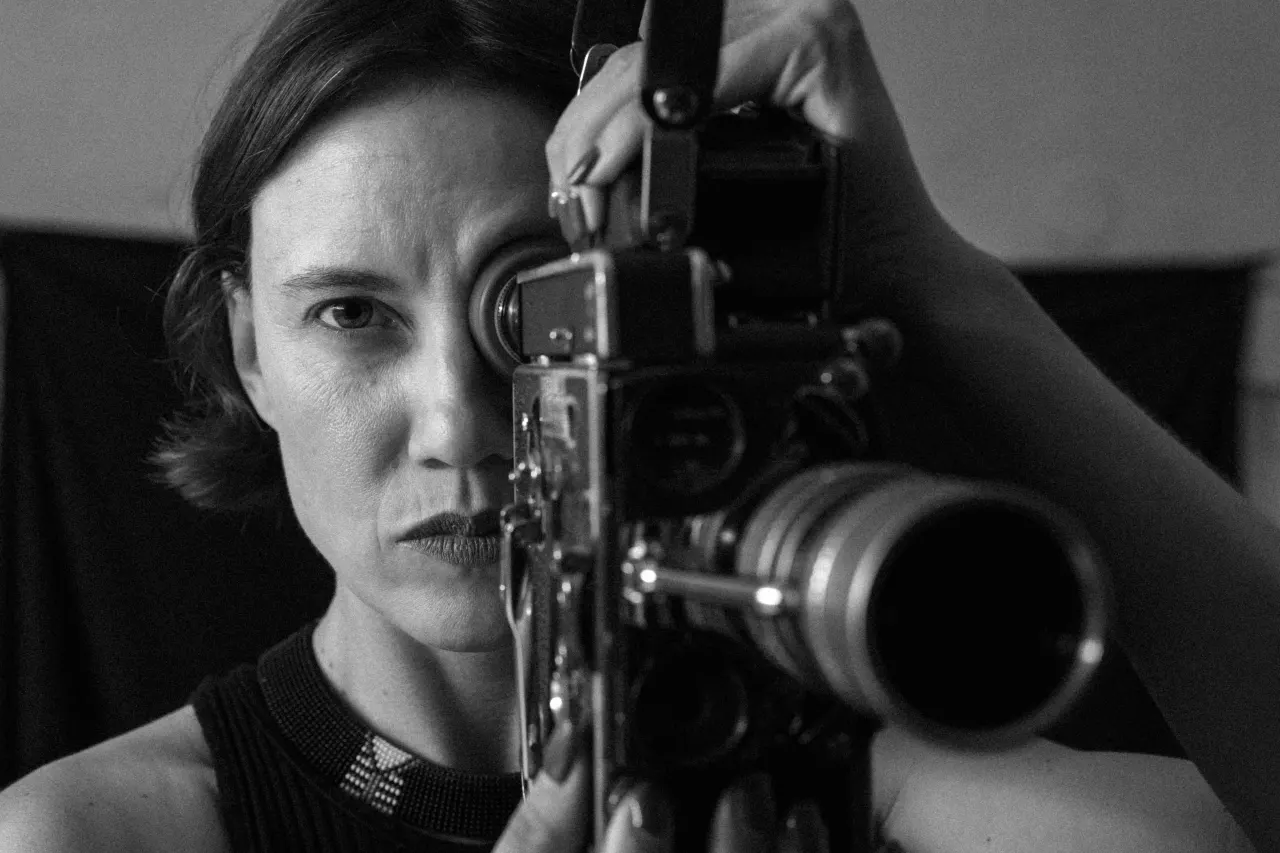
Brazilian experimental filmmaker Ana Vaz says her new feature, “Hanabi” (“Fire Flower”), explores the lasting social and psychological effects of the 2011 Fukushima nuclear disaster. Premiering in Locarno’s Concorso Cineasti del Presente section, the film uses images of farming, gardens and fireworks to contrast ideas of healing with what Vaz sees as Japan’s uneasy silence and normalisation of catastrophe.
Vaz loosely adapts Yoko Hayasuke’s “Journal of a Radioactive Brain”, drawing on its fragmented diary form and its criticism of everyday capitalism after Fukushima. She argues that the disaster’s scale cannot be understood through official measurements alone, and includes an unscripted reversal of Hayasuke’s line about preferring to be a zombie rather than a mother, recorded when Vaz had just learned she was pregnant. “Hanabi” is Vaz’s longest film and the first she did not edit herself.
In short
- “Hanabi” examines Fukushima’s enduring emotional and political legacy.
- The film adapts Yoko Hayasuke’s fragmented writing on radioactive Japan.
- Vaz’s pregnancy shaped a key line in the film.
Explained simply
The Fukushima disaster began in March 2011, when an earthquake and tsunami damaged the Fukushima Daiichi nuclear power plant in north-east Japan. Radiation was released, residents were evacuated and the effects on communities, health and daily life continued long after the immediate emergency.
Ana Vaz is a Brazilian filmmaker whose work often uses experimental forms. For “Hanabi”, she draws on Japanese writer Yoko Hayasuke’s fragmented diary, which reflects on life after the disaster and on ordinary routines and economic pressures. The film’s references to farming, gardens and fireworks connect questions of recovery with the ways people live alongside the disaster’s consequences.
The story also touches on motherhood and uncertainty about the future. Hayasuke’s writing includes a line about preferring to be a zombie rather than a mother; Vaz records a reversal of that thought after learning she was pregnant. These personal responses sit alongside broader questions about how a catastrophe is measured, remembered and discussed.
Americas Asia Entertainment Film Horror Research Science World