World news and discussion on TalkFuse.
Iran’s chilling midterm gamble against Trump revealed as insiders warn regime is ‘playing with fire’
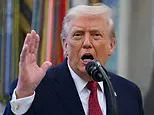
The article reports that Iranian officials and insiders are considering a more confrontational approach towards Donald Trump ahead of the US midterm elections, including pressure around the Strait of Hormuz. It argues that such a strategy could raise the political and economic costs for the US administration, but warns it risks provoking a severe American response and wider regional escalation.
The Strait of Hormuz is a vital route for global oil shipments, so any disruption or threat to shipping there could affect energy markets and international trade. The report frames the apparent calculation as an attempt to exploit domestic political pressure on Trump before the midterms, while quoting sources who say Tehran would be “playing with fire” by increasing tensions.
In short
- Iran may increase pressure on Trump before the US midterms.
- Hormuz tensions could threaten oil supplies and regional stability.
- Sources warn Tehran risks provoking a stronger US response.
Steelman: both sides, in good faith
The strongest fair case each way — we don't pick a winner.
The case for
Those warning of escalation argue that Iran has often used calibrated pressure in the Strait of Hormuz and through regional partners to raise the costs of US policy without necessarily seeking open war. They contend that a politically divided or election-focused Washington may appear less able to sustain a forceful response, making limited disruption or intimidation seem attractive as leverage. The underlying concern is that miscalculation in a vital shipping route could quickly endanger civilians, global trade and regional stability.
The case against
Sceptics argue that deliberately escalating around US elections would expose Iran to serious military, economic and diplomatic costs while offering uncertain political benefit. They note that disruption in the Strait of Hormuz would also harm Iran’s own interests, risk unifying US allies and could trigger retaliation beyond Tehran’s control. From this perspective, officials may prefer deterrent rhetoric and indirect bargaining pressure to actions that could produce a wider conflict.
Explained simply
The Strait of Hormuz is a narrow sea passage between Iran and the Arabian Peninsula, linking the Gulf to the open sea. A large share of the world’s oil shipments passes through it, so threats to shipping there can affect energy prices and trade far beyond the region.
Iran’s government and the United States have a long-running dispute, and Donald Trump’s administration has taken a confrontational approach towards Tehran. The US midterm elections, held halfway through a president’s term, can shape domestic political pressure and the balance of power in Congress.
Any attempt by Iran to use pressure around the strait as political leverage could also put ships and regional security at risk. The dispute matters because a confrontation could draw in the US and other countries, with consequences for trade and stability across the Middle East.
Americas Elections Middle East Politics World