Culture news and discussion on TalkFuse.
Thimbleweed Park 2 Is Being Funded By A Sole ‘Wealthy Outsider’
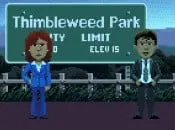
Thimbleweed Park 2 is being financed by a single anonymous wealthy fan rather than through crowdfunding or a conventional publisher. Creator Ron Gilbert chose this route because he considered many publishing arrangements unfair after costs are recouped, and the deal is intended to give the investor a quicker return before profits are shared more reasonably.
The original 2017 game raised more than $620,000 on Kickstarter and cost over $1 million to make. Gilbert proposed funding for roughly two years of sequel development, with a higher budget to reflect inflation and fair pay; the game is targeting an early 2028 release, with no Switch or Switch 2 version officially confirmed.
In short
- An anonymous fan is funding Thimbleweed Park 2.
- Gilbert rejected Kickstarter and traditional publishers.
- The sequel is targeting early 2028.
Steelman: both sides, in good faith
The strongest fair case each way — we don't pick a winner.
The case for
Supporters of this funding model emphasise creator autonomy and fair compensation. Ron Gilbert's experience with traditional publishing convinced him that standard contracts unfairly exploit creators after costs are recouped. By securing a single investor willing to accept quick returns before more equitable profit-sharing kicks in, Gilbert has negotiated terms he genuinely believes are fairer and less predatory. This approach also sidesteps the complications of another crowdfunding campaign, enabling cleaner financial arrangements that prioritise sustainable development.
The case against
Critics argue that anonymous, concentrated funding undermines the transparency and democratic legitimacy that made the original game's Kickstarter so compelling. Without knowing the investor's identity or seeing the specific financial terms, stakeholders cannot assess whether the claimed "fairness" actually benefits the creator or simply transfers control to a wealthy outsider. Crowdfunding offered public accountability and community oversight; this opaque model removes those safeguards and raises genuine concerns about who holds power over the creative vision and whether the devoted fans who helped establish the franchise are being sidelined from supporting its future.
Explained simply
Thimbleweed Park is a comedy adventure game created by Ron Gilbert, a designer known for classic point-and-click games such as Maniac Mansion and The Secret of Monkey Island. Players explore locations, talk to characters and solve puzzles to uncover a mystery.
The first Thimbleweed Park was released in 2017 after a Kickstarter campaign, in which people pledged money to help make it. Game developers can also work with publishers, which may fund development and help sell a game in return for a share of the revenue. How that money is repaid and later profits are divided can vary between deals.
The sequel’s funding arrangement matters because it offers another way to pay for an independent game: a private investor can provide money without a conventional publisher or public crowdfunding campaign. The terms determine how the development costs and any eventual profits are shared.
Art Celebrity Culture Entertainment