Entertainment news and discussion on TalkFuse.
Beloved Legend of Zelda Games Get New Enhanced 3DS Ports
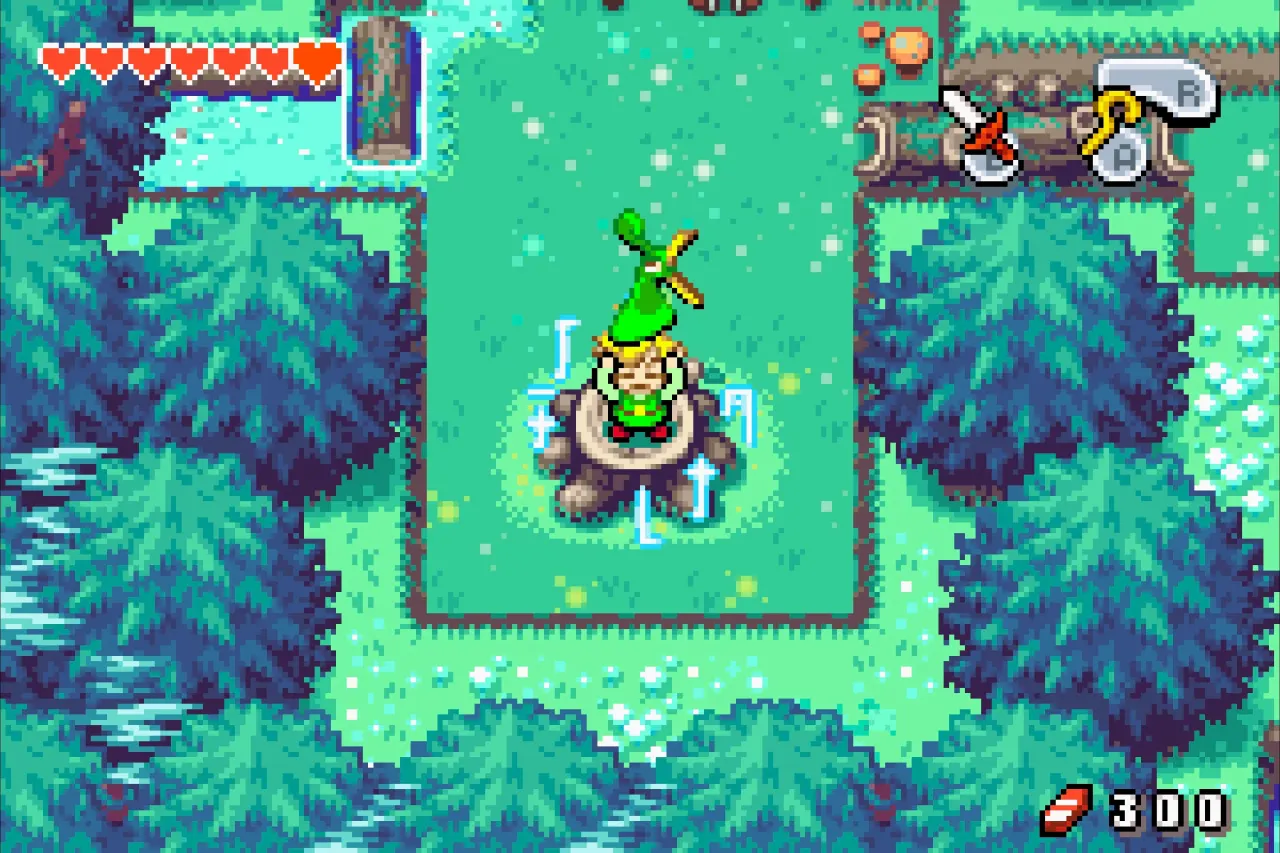
A homebrew developer has released enhanced native Nintendo 3DS ports of The Legend of Zelda: The Minish Cap and A Link to the Past, offering features beyond Nintendo’s earlier Virtual Console releases. The projects illustrate how fan-led reverse engineering can modernise older games for original hardware, though Nintendo has historically opposed similar unofficial ports.
The Minish Cap port adds dual-screen support, widescreen, touch controls, improved upscaling, higher frame rates, adjustable clock speeds and a built-in randomiser. The A Link to the Past port includes turbo modes and screenshots, while the same developer has also released a Mario Kart 64 3DS port, with multiplayer planned later; users must supply legally obtained compatible ROMs because the downloads include no Nintendo game files or assets.
In short
- Fan-made 3DS Zelda ports add modern features.
- Users must provide their own legally obtained ROMs.
- Nintendo has previously opposed similar unofficial projects.
Steelman: both sides, in good faith
The strongest fair case each way — we don't pick a winner.
The case for
These ports represent valuable preservation and modernisation of games that Nintendo no longer actively supports on current hardware. The developers are not distributing Nintendo's proprietary assets, instead requiring users to supply legally obtained ROMs, whilst applying technical expertise to enhance older games with features like dual-screen support and improved graphics. This kind of enthusiast work keeps gaming history alive and playable on original hardware, much like preservation efforts in other media, and reflects the creative, community-driven culture that has long been part of gaming.
The case against
Regardless of distribution method, these projects depend on reverse engineering Nintendo's proprietary code and intellectual property without authorisation. Nintendo holds clear rights to these works and has actively opposed such projects; the company also regularly releases official ports and remasters on platforms like the Switch, giving it legitimate commercial channels for its own games. Allowing unauthorised reverse engineering undermines Nintendo's ability to control its creative works and their presentation, setting a precedent that companies cannot effectively protect their intellectual property against community modification.
Explained simply
The Nintendo 3DS is a handheld console with two screens, one of which is touch-sensitive. The Minish Cap and A Link to the Past are earlier Zelda adventures originally made for other Nintendo systems; Nintendo later offered them on the 3DS through Virtual Console, a service for playing older games.
Fan developers sometimes study how older games work and create unofficial versions for newer or different hardware. These ports are designed to run directly on a 3DS and add features that can use its screens and processing power; players generally need to provide their own legally obtained game files.
Nintendo owns the Zelda series and its games, and has historically challenged some fan-made projects involving its intellectual property. Such ports raise questions about how older games can be preserved and adapted, and where fan projects sit alongside the rights held by game makers.