Entertainment news and discussion on TalkFuse.
1998 Was the Best Year for Video Games, and These 10 Titles Prove It
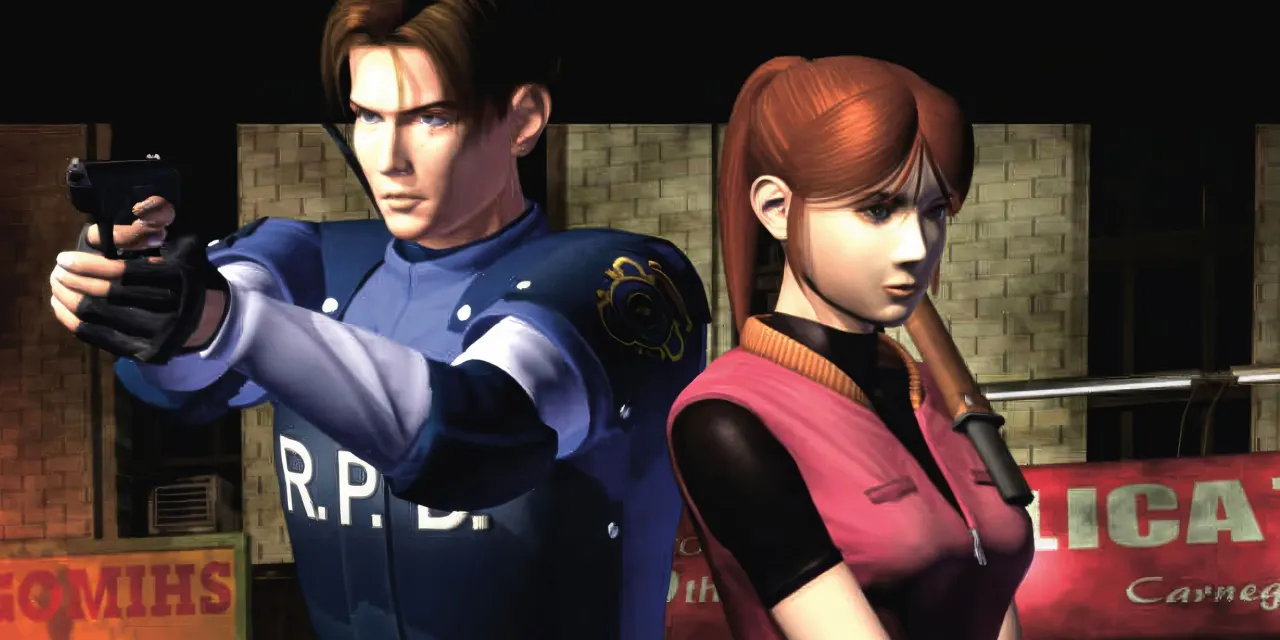
Collider argues that 1998 was video gaming’s strongest year, citing ten influential releases across several genres. The article’s case rests on their originality, technical advances, storytelling, design, critical acclaim and lasting popularity.
– ‘Grim Fandango’ is praised for combining Aztec folklore, noir detective fiction and an ambitious underworld narrative.– ‘Xenogears’ is highlighted for its unusually expansive, philosophical JRPG story, despite its text-heavy presentation.– ‘Tekken 3’ is credited with advancing 3D fighting through freer arena movement and more tactical combat.– ‘Banjo-Kazooie’ and the remaining selections are presented as further evidence of 1998’s breadth and enduring influence.
In short
- Collider calls 1998 gaming’s best year.
- The list spans adventure, RPG and fighting games.
- Innovation and lasting influence underpin the argument.
Steelman: both sides, in good faith
The strongest fair case each way — we don't pick a winner.
The case for
The case for 1998 rests on a remarkable concentration of innovation across disparate genres: narrative breakthroughs like Grim Fandango, technical evolution in 3D fighting through Tekken 3, and philosophical ambition in Xenogears. These games established enduring design principles and storytelling approaches that shaped gaming's subsequent development, whilst achieving both critical acclaim and lasting cultural resonance. The combination of creative output and demonstrable influence supports the claim that 1998 represents an unmatched creative peak for the medium.
The case against
However, other years present equally compelling cases: 2007 delivered transformative releases across every genre and helped reshape mainstream gaming culture, raising questions about what metric should define 'best'. The criterion remains fundamentally subjective—whether measured by technical achievement, sales, critical reception, or cultural impact, different years emerge as superior, suggesting the premise itself is flawed. Any year's strongest entries appear impressive in isolation, yet the medium's progress has been gradual and evolutionary rather than marked by singular peaks.
Explained simply
Video games in the late 1990s were moving from 2D graphics towards 3D worlds, while developers were experimenting with how games could tell stories and play across different genres. Role-playing games, fighting games and adventure games each had established audiences, but new technology gave studios more ways to shape their worlds and mechanics.
The games discussed include releases from several studios and genres. Grim Fandango blended detective fiction with Aztec-inspired ideas about the afterlife, Xenogears offered a lengthy role-playing story, and Tekken 3 developed 3D fighting with movement around the arena; Banjo-Kazooie represented a different strand of 3D platforming.
The wider question is how to judge a year in gaming: by technical progress, originality, storytelling, critical reception or the influence games have had since. Looking at a group of varied releases helps explain why some players and critics remember 1998 as a particularly significant period.