Politics news and discussion on TalkFuse.
Draft dark skies guidance drawn up for the Highlands
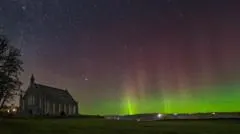
Highland Council has drafted guidance to reduce light pollution across the region, aiming to improve views of the night sky and support communities seeking dark sky status. The proposals matter because they could shape how future development balances safety lighting with environmental protection, lower energy use and astronomy tourism.
Major developments in or near dark sky sites would need lighting assessments to justify exterior illumination, while measures such as tree planting and fencing could reduce glare. Councillors will consider the draft next week before public consultation; it may later form part of the Highland Local Development Plan due next year, and follows the Isle of Rum becoming Scotland’s first International Dark Sky Sanctuary in 2024.
In short
- Highland Council proposes measures to curb light pollution.
- Major nearby developments could require lighting assessments.
- Guidance may support tourism, wildlife and lower energy bills.
Steelman: both sides, in good faith
The strongest fair case each way — we don't pick a winner.
The case for
Dark sky protection advocates contend that light pollution is a genuine environmental harm diminishing a distinctive natural resource and damaging ecosystems and human health. The Highlands' night sky offers tangible benefits—astronomy tourism, quality of life, ecological support for nocturnal wildlife—that justify protective guidance. Requiring lighting assessments does not ban development but ensures illumination is justified and uses proven, practical measures like shielded fixtures and strategic tree planting, balancing legitimate safety and business needs with recognised public goods of energy efficiency and conservation.
The case against
Those with reservations argue that overly prescriptive guidance may hamper economic development and investment in a region needing growth. Safety lighting serves essential public purposes—preventing crime, aiding visibility for drivers and workers—that deserve weight in any assessment, and blanket policies risk ignoring genuine local needs. Imposing cost-intensive compliance requirements on businesses and householders warrants clear evidence of necessity. A more flexible, case-by-case approach respecting community priorities alongside conservation seems preferable to presumptive restrictions that may prioritise environmental goals over practical development realities.
Explained simply
Light pollution is artificial light that spreads beyond the places where it is needed, making stars harder to see and affecting wildlife and people. In the Highlands, communities are seeking recognition for places where the night sky remains especially dark.
Highland Council’s guidance would help planners assess lighting in future developments near dark sky sites. It sits alongside efforts to protect the night sky while accounting for practical needs such as safety, and could affect energy use and local tourism.
Elections Environment Politics Science