Trump claims AOC may run for president as far-left Dems back away from extreme policy
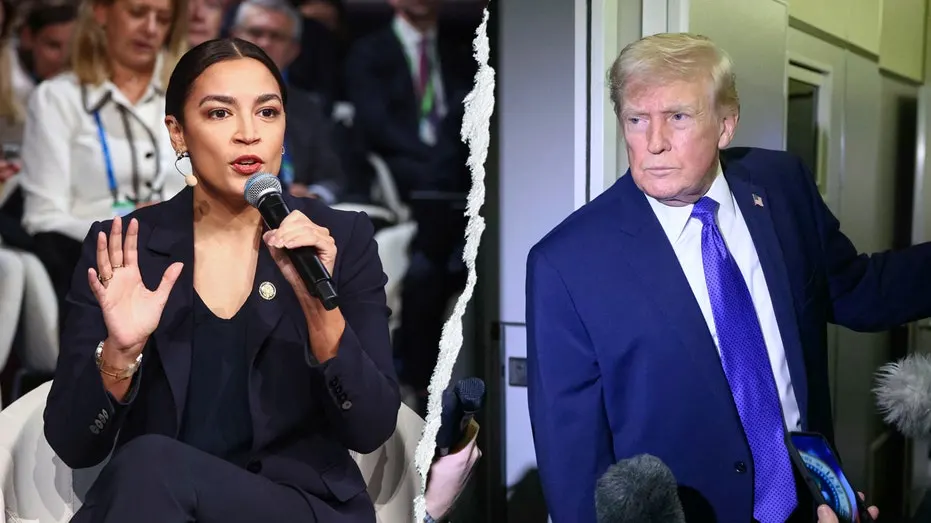
President Donald Trump said that Representative Alexandria Ocasio-Cortez and other left-wing Democrats were moving away from some previously held positions, and suggested this could be linked to a possible 2028 presidential campaign. The comments matter because they reflect continuing disputes within US politics over policing, socialism and the Democratic Party’s direction.
The article refers to Ocasio-Cortez having supported calls to defund the police, while noting her recent response to questions about controversial views associated with socialist candidates. Trump made the remarks on Friday, describing these policy shifts in strongly critical terms and speculating about her future ambitions.
- Trump says Ocasio-Cortez is moderating positions ahead of a possible 2028 run.
- The dispute centres on policing and socialist politics.
- Ocasio-Cortez’s recent comments prompted renewed scrutiny.
New here? Start with this
Alexandria Ocasio-Cortez is a Democratic member of the US House of Representatives from New York and a prominent figure on the party’s left. US Democrats range from moderates to politicians who support a larger role for government in areas such as healthcare and housing.
“Defund the police” became a prominent slogan in debates about policing and public safety, calling for some police funding to be redirected to other services. Views on policing and socialism have been points of disagreement within the Democratic Party and between Democrats and Republicans.
The US president is elected separately from Congress, and candidates from the major parties compete for their party’s nomination before the general election. Talk of a possible 2028 campaign places Ocasio-Cortez in wider debate about the party’s future, though speculation about a run is distinct from a formal announcement.
Both sides, in good faith
The strongest fair case each way — we don't pick a winner.
The case for
Progressive Democrats, notably AOC, have noticeably moderated their public rhetoric from 2020 onwards, shifting from explicit calls to 'defund the police' towards 'reform' language, and from unguarded support for socialism to more qualified expressions. The consistency of this pattern coinciding with their ascent to higher prominence suggests this reflects electoral strategy rather than deep principle. Tracking such rhetorical shifts is straightforward political observation.
The case against
What others characterise as moderation represents the natural evolution of positions refined through debate and governing realities. When progressives emphasise 'reform' alongside police accountability, they're developing more effective language for longstanding commitments, not abandoning them. Moreover, Trump's focus on speculating about motives rather than engaging with the substance of their current policies suggests rhetorical point-scoring rather than serious analysis.