Stephen A Smith admits Byron Donalds could make him a Republican, calls him ‘the real deal’
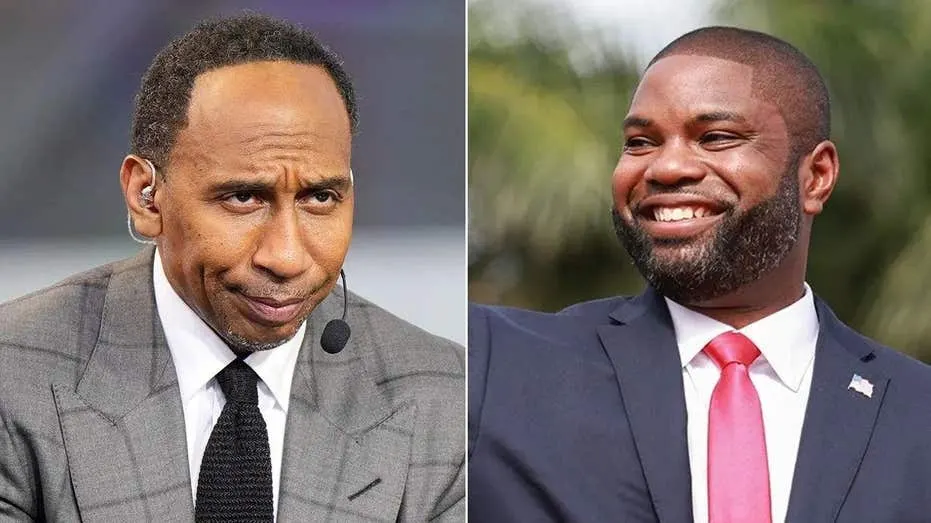
Stephen A. Smith said Republican Congressman Byron Donalds could potentially persuade him to become a Republican, describing the Florida representative as “the real deal”. The remarks matter because Smith is a prominent sports broadcaster and commentator whose political views attract public attention.
Speaking on SiriusXM, Smith said he and Donalds talk regularly in private. The article presents the comments as praise for Donalds’s political appeal and credibility, rather than an announcement that Smith is changing party affiliation.
- Smith praised Byron Donalds as politically persuasive.
- He said Donalds could make him a Republican.
- Smith has not announced a party switch.
New here? Start with this
Stephen A. Smith is a prominent US sports broadcaster and political commentator. His views often attract attention beyond sport, though his remarks do not necessarily mean he is making a political change.
Byron Donalds is a Republican member of the US House of Representatives from Florida. A member of Congress helps make federal laws and represents constituents in their district.
Both sides, in good faith
The strongest fair case each way — we don't pick a winner.
The case for
Byron Donalds's ability to impress respected figures outside his party demonstrates genuine political appeal grounded in character and substance rather than mere partisan tribalism. Smith's assessment, based on private conversations, suggests Donalds represents a type of politics that transcends traditional divides and resonates with thoughtful people regardless of their usual political alignment.
The case against
Whilst personal appeal and charm are noteworthy, they are insufficient measures of political credibility without accompanying scrutiny of a politician's voting record and policy positions. Celebrity commentary, however well-intentioned, risks obscuring substantive political analysis and can elevate figures based on interpersonal appeal rather than on their actual legislative record and stated policy positions.