Technology news and discussion on TalkFuse.
Zyzz Was the Original Looksmaxxer. His Rise and Untimely Death Feel More Relevant Than Ever
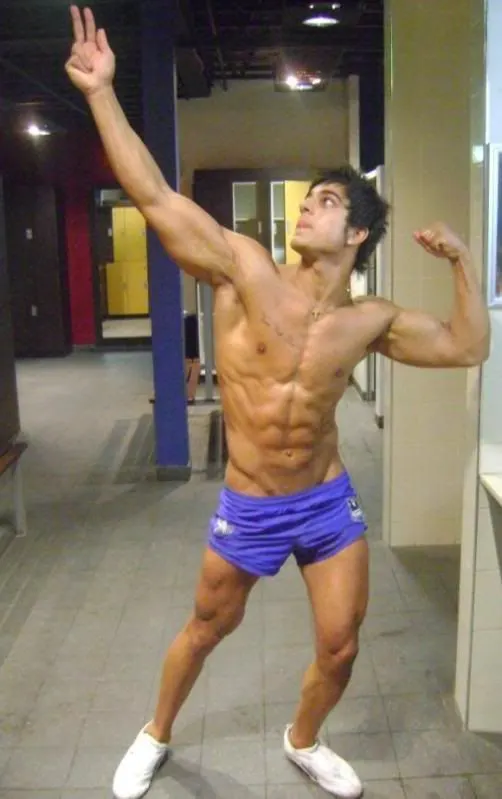
Aziz Shavershian, known online as Zyzz, became an early fitness and masculinity influencer after transforming himself from a shy teenager into a flamboyant, muscular internet persona. A new documentary, Poster Boy: Becoming Zyzz, examines his rapid rise, death in Thailand aged 22, and lasting relevance to today’s “looksmaxxing” and manosphere culture.
Using archive footage and interviews with friends and his brother, the film explores how Zyzz exploited early YouTube, Facebook and online forums to build a global following. He promoted self-improvement and male solidarity, but also used conflict and fake accounts to attract attention; his later comments became misogynistic, homophobic and contemptuous of people he considered physically inferior.
In short
- Zyzz anticipated today’s fitness and masculinity influencers.
- A documentary reassesses his brief, controversial life.
- His online tactics mixed encouragement with provocation.
Steelman: both sides, in good faith
The strongest fair case each way — we don't pick a winner.
The case for
Examining Zyzz's life and influence through documentary is important cultural work because his impact on contemporary masculinity, fitness culture, and online communities remains substantial and growing. A comprehensive film combining archive footage and interviews allows for honest analysis of both what drew millions to his messaging—self-improvement, male community, physical transformation—and how his later statements became misogynistic and homophobic. Detailed understanding of how such figures operate and appeal is essential for critically engaging with the ideologies they've popularised.
The case against
Creating a sympathetic documentary around such a figure inevitably platforms his worldview regardless of critical framing, as the narrative form itself generates emotional investment in his story. The compelling personal elements—his transformation, his youth, his tragic death—naturally invite audience sympathy in ways that can subtly legitimise or soften the edges of fundamentally harmful ideologies, especially for younger viewers already vulnerable to manosphere messaging. Responsible engagement with these phenomena might be better served through analytical approaches that examine the broader movements and their appeal without requiring the creative elevation of individuals whose primary cultural legacy rests on misogyny and homophobia.
Explained simply
Aziz Shavershian, known online as Zyzz, was an Australian fitness personality who rose to fame in the early days of social media. He built a following by sharing his muscular transformation and a flamboyant image across YouTube, Facebook and online forums.
Zyzz promoted self-improvement and male camaraderie, while also courting attention through online conflict. Some of his later remarks were misogynistic and homophobic, and he disparaged people he saw as less physically attractive. His death at 22 helped cement his place in internet culture.
The term “looksmaxxing” refers to efforts, often discussed online, to improve one’s appearance. Zyzz’s story is now being revisited as that idea and the wider manosphere—online communities focused on men and masculinity—have gained prominence.