Entertainment news and discussion on TalkFuse.
Super Mario Sunshine and Wind Waker Doomed the GameCube but Saved Nintendo
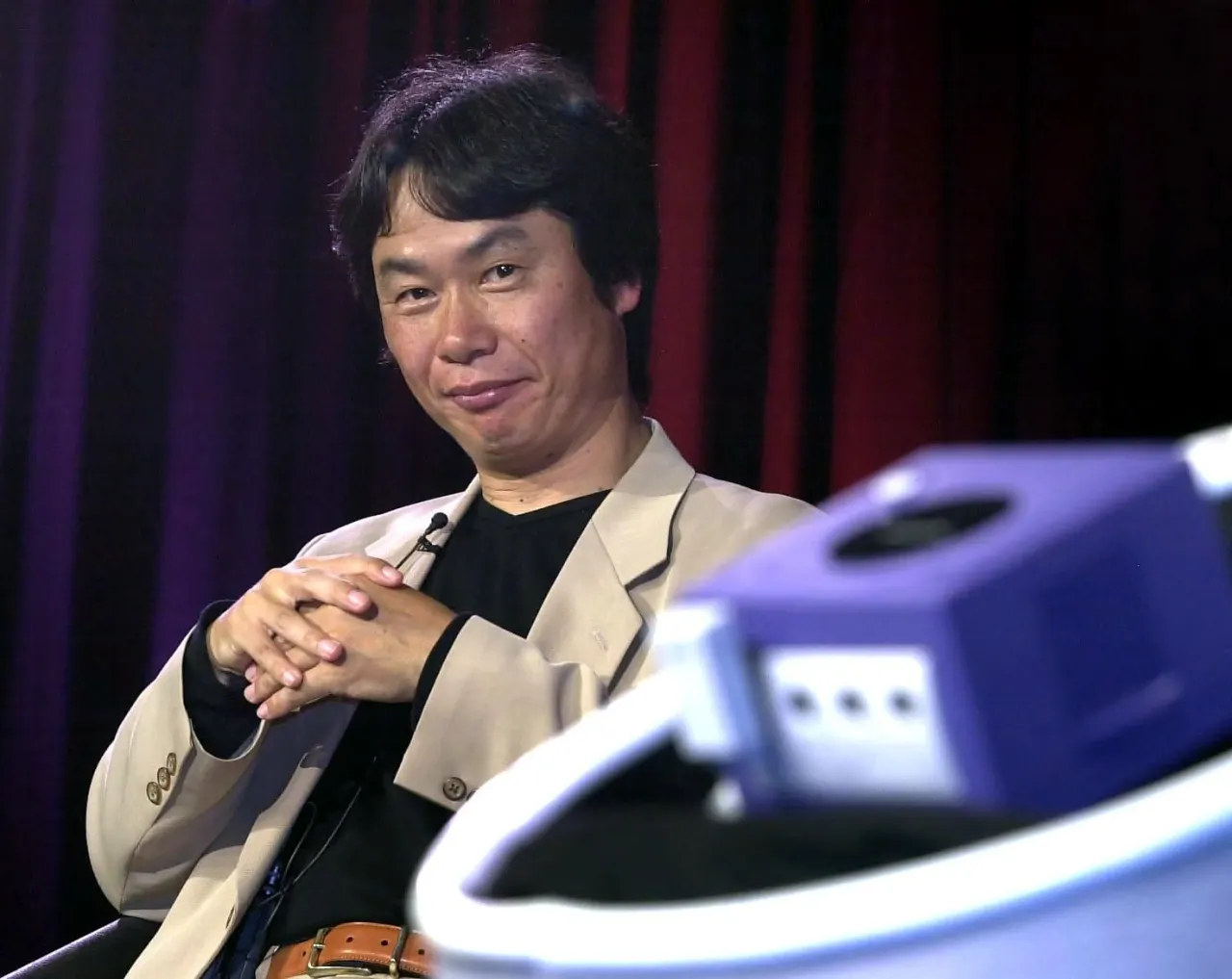
Polygon argues that Nintendo’s defiant approach during the GameCube era damaged the console commercially but helped preserve the company’s creative identity. The author reflects on the divisive Super Mario Sunshine and The Legend of Zelda: The Wind Waker as examples of Nintendo resisting prevailing expectations, an attitude that later informed the successful DS and Wii.
The GameCube struggled against Sony’s PlayStation 2 while Nintendo made unconventional choices, including miniature discs without DVD playback, an unusual purple console design and a controller that rejected standard twin-stick controls. Nintendo also launched without a mainline Mario game, later presented Mario as a holiday cleaner in Sunshine, and gave Wind Waker its cartoon-like visual style despite expectations of a more realistic Zelda; shortly after the GameCube’s release, Satoru Iwata became president and directed the company towards new hardware ideas.
In short
- Nintendo’s GameCube-era stubbornness hurt sales but protected its distinctiveness.
- Sunshine and Wind Waker embodied Nintendo’s willingness to defy expectations.
- That philosophy helped lead to the DS and Wii.
Steelman: both sides, in good faith
The strongest fair case each way — we don't pick a winner.
The case for
Nintendo's willingness to experiment boldly during the GameCube era—despite commercial pressure and market expectations—preserved the company's creative independence and innovative spirit. Rather than chasing PlayStation 2's graphical dominance and mature-audience focus, Nintendo pursued unconventional game design, aesthetic choices, and hardware innovations that established a mindset of creative risk-taking. This refusal to compete on conventional terms, though costly in the short term, created the philosophical foundation for subsequent revolutionary successes: the DS and Wii emerged from a company culture that had learned to trust its instincts over market trends.
The case against
The characterisation of GameCube-era choices as beneficial ignores their genuine commercial damage. Nintendo lost substantial market share to PlayStation 2 during a crucial generation, weakening developer relationships and revenue streams that took years to recover. Attributing later success to GameCube-era boldness confuses correlation with causation; the DS and Wii succeeded primarily through novel hardware approaches rather than through creative lessons learned from experimental software design, and Nintendo recovered despite these missteps, not because of them.
Explained simply
The GameCube was Nintendo’s home console in the early 2000s, competing with Sony’s PlayStation 2. It used small discs and could not play DVDs, while its controller and distinctive purple design differed from rivals’ more conventional approach.
Nintendo’s Super Mario Sunshine and The Legend of Zelda: The Wind Waker also departed from what some players expected: one cast Mario as a cleaner, while the other used cartoon-like graphics. Their reception was divided, and the GameCube sold less well than the PlayStation 2.
Satoru Iwata became Nintendo’s president soon after the console launched, as the company explored new hardware ideas. The debate about this period concerns how Nintendo’s willingness to take creative risks, despite commercial setbacks, related to the later success of the DS handheld and Wii console.