Entertainment news and discussion on TalkFuse.
The Witcher 3 lead says designing for player curiosity “really came to haunt us” when making sure it felt like “people truly exist” in the RPG’s villages
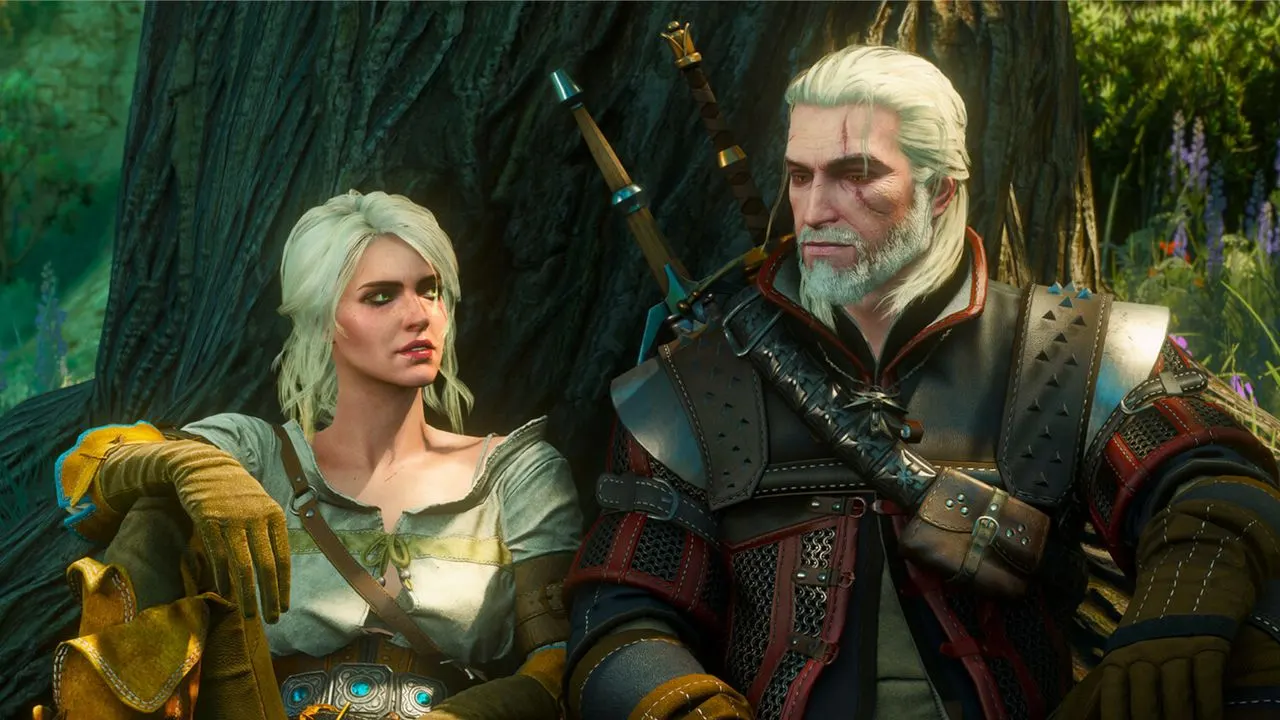
A lead developer on The Witcher 3 has said that designing the role-playing game around players’ curiosity made village-building unexpectedly demanding. The team wanted settlements to feel inhabited by believable people rather than functioning merely as places to collect quests, helping establish the game’s reputation for a detailed and reactive open world.
The developer explained that players closely inspect environments and notice inconsistencies, so the team had to consider what villagers did, where they lived and how spaces suggested everyday life. This approach created extra work because even small details could be examined or tested, but it supported the sense that the game’s communities genuinely existed beyond the player’s immediate actions.
In short
- Player curiosity made The Witcher 3’s village design much harder.
- CD Projekt aimed for settlements that felt genuinely inhabited.
- Small environmental details helped create a believable open world.
Explained simply
The Witcher 3: Wild Hunt is an open-world role-playing game set in a fantasy land where players control Geralt, a monster hunter who travels between towns and villages. Players can explore freely, meet residents and take on quests, so the places they visit are a major part of the experience.
The developers aimed to make villages feel like communities where people had their own routines, rather than just stops for players to collect quests. That meant thinking about how homes, streets and villagers’ behaviour fit together. Detailed environments can make a game world feel more believable, but they also give players more chances to spot things that seem out of place.