What happens when a hybrid battery dies and what to do about it
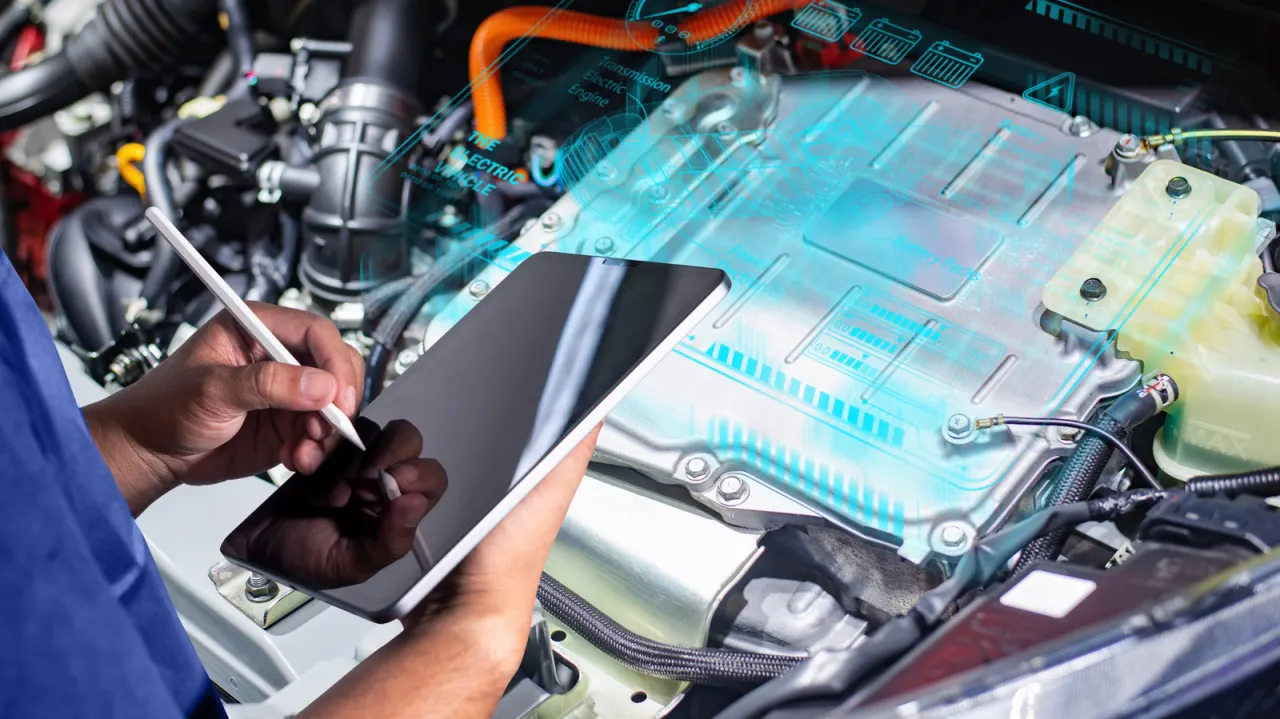
Hybrid cars rely on both a 12-volt auxiliary battery and a high-voltage traction battery, and failure of either can cause serious disruption. A dead 12-volt battery may leave the vehicle unable to start, while a traction-battery fault can reduce performance, trigger warnings or prevent the hybrid system from restarting; prompt attention is important because the petrol engine may not operate independently.
The 12-volt battery powers the car’s computers and accessories, and can often be jump-started only through the specified terminal. Traction-battery warnings can also stem from overheating or blocked cooling vents rather than a failed pack, but drivers should follow dashboard instructions, consult the manual for towing guidance and avoid touching orange high-voltage cables or battery components.
In short
- Hybrid battery problems can stop the car or reduce its power.
- A 12-volt battery failure differs from a traction-battery fault.
- Follow warnings promptly and leave high-voltage repairs to specialists.
Explained simply
Hybrid cars use a petrol engine alongside an electric motor, with a high-voltage traction battery storing energy for the electric drive. They also have a separate 12-volt battery that powers the computers and other electrical systems needed to start and operate the car.
The two batteries do different jobs, so a fault in either can stop the car from working properly. A warning about the traction battery does not always mean the battery pack has failed; heat or blocked cooling vents can also affect it.
Because the petrol engine may not work on its own, battery problems can leave a hybrid unable to start or continue a journey. The owner’s manual explains the correct jump-start and towing procedures, and high-voltage cables and components should be left untouched.