7 PS Plus Extra, Premium Game Removals for September 2026 Confirmed
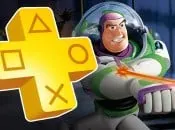
Sony has confirmed that seven titles will leave the PS Plus Extra and Premium tiers on 15th September 2026, notably marking a rare instance where Premium catalogue games are also being pulled rather than just Extra titles. Once removed, subscribers lose access unless they purchase the games outright, unlike the Essential tier where redeemed games remain playable for as long as the subscription continues.
The departing games include Madden NFL 26, Persona 5 Tactica, the Shadowrun trilogy (Returns, Hong Kong, and Dragonfall), and two Toy Story titles from the Premium classics catalogue: Toy Story 2: Buzz Lightyear to the Rescue and Toy Story 3. The Toy Story removals are widely believed to be linked to upcoming October re-releases, with Toy Story 2 featuring in a "Retro Roundup" package and Toy Story 3 getting a standalone "Complete Edition" remaster, prompting speculation that Sony is clearing the way for the new versions. Xbox is reportedly delisting Toy Story 3 around the same time, though it has not pulled Toy Story 2.
- Seven PS Plus Extra/Premium games leave on 15th September 2026.
- Rare Premium catalogue removals include two Toy Story games.
- Toy Story titles likely making way for October remasters/re-releases.
New here? Start with this
PlayStation Plus is Sony’s subscription service, with Extra and Premium offering libraries of games that members can download or stream while subscribed. Games in these catalogues can leave on set dates, after which members need to buy them to keep playing; this differs from Essential’s monthly games, which remain available while a member keeps their subscription active.
The titles due to leave include Madden NFL 26, Persona 5 Tactica, three Shadowrun role-playing games and two Toy Story games. The Toy Story titles are older games in Premium’s classics catalogue, and reports point to new versions planned for release in October as a possible reason for their removal.
Both sides, in good faith
The strongest fair case each way — we don't pick a winner.
The case for
The subscription model necessarily operates within licensing agreements that expire, requiring platforms to rotate content to remain cost-effective and sustainable. Players understand that subscriptions provide access rather than ownership, and they may purchase beloved titles outright if desired; meanwhile, the Essential tier offers permanent access to claimed games. Rotating content maintains service engagement and supports new releases and re-releases, keeping the offering fresh and valuable.
The case against
Players who claim games within their subscription reasonably expect to retain access to those titles, particularly in Premium which implies classic and permanent content. The practice lacks sufficient transparency about which games might disappear and when, creating a sense of deception, though the underlying licensing system itself represents preventable consumer harm. Fairer alternatives—such as grandfathering claimed games into permanent access, extending notice periods, or securing longer licensing agreements—could balance business viability with respect for player investment.