Video games news, releases, esports and culture — all the biggest gaming stories in one place.
‘Jaadugar A Witch in Mongolia’ Review: Science Saru’s Historical Anime Is a Spectacular Achievement
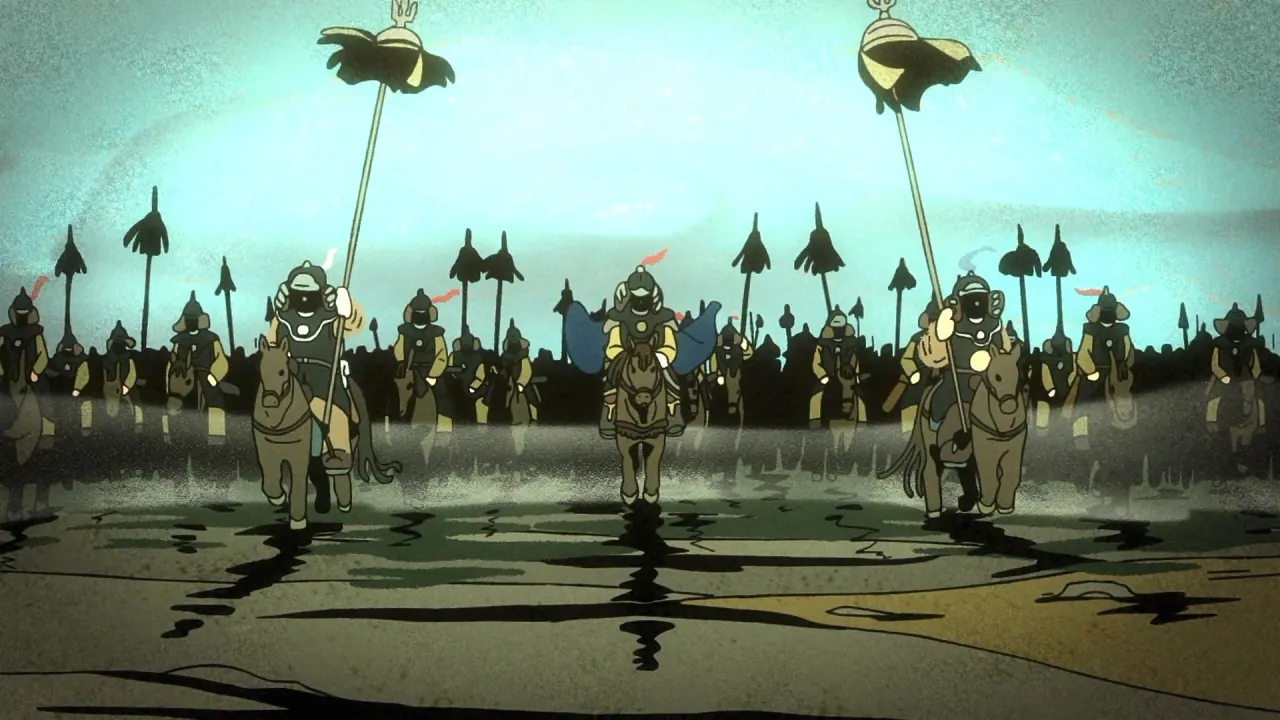
Polygon reviews "Jaadugar: A Witch in Mongolia," a new Science Saru anime adaptation of Tomato Soup's manga "A Witch's Life in Mongol," praising it as a spectacular addition to the genre of historically grounded anime. The series joins the ranks of acclaimed historical adaptations such as Vinland Saga and The Rose of Versailles, distinguishing itself through careful cultural research and a distinctive, picturebook-style visual approach that renders both everyday life and wartime devastation with striking beauty and sensitivity.
Set in 13th-century Persia beginning in AD 1213, the story follows Sitara, an orphaned child sold into slavery to a widow named Fatima in the city of Tus. Under the encouragement of Fatima's son Muhammad, Sitara develops a passion for learning mathematics and astrology, finding empowerment through knowledge, before the Mongol invasion led by Genghis Khan shatters this period of peace eight years later. The anime, which began airing on 4 July, is noted for weaving Islamic Golden Age culture, such as the Adhan and the practice of Iddah, authentically into its narrative, while depicting the trauma and cultural loss of war, including the looting of Sitara's family library by Khan's son Tolui, with notable gravity and nuance.
In short
- Science Saru's new anime "Jaadugar" adapts a manga set in 13th-century Persia
- Follows enslaved girl Sitara's love of learning before the Mongol invasion
- Praised for historical accuracy, cultural depth and striking animation
Explained simply
The story begins in 13th-century Persia, where Sitara, an orphan, is sold into slavery and taken into the household of Fatima, a widow in the city of Tus. With Fatima’s son Muhammad encouraging her, Sitara studies subjects including mathematics and astrology, gaining access to learning in a society shaped by family, faith and social rank.
The Mongol Empire, led by Genghis Khan, expanded across Asia in the early 13th century, bringing conquest and upheaval to many communities. The series draws on Persian and Islamic history, including religious customs and scholarship, to show how invasion could disrupt everyday life and destroy cultural resources such as libraries.