Singer brings case against managers over concealed Live Nation stake
Developed over time first seen 2 months ago
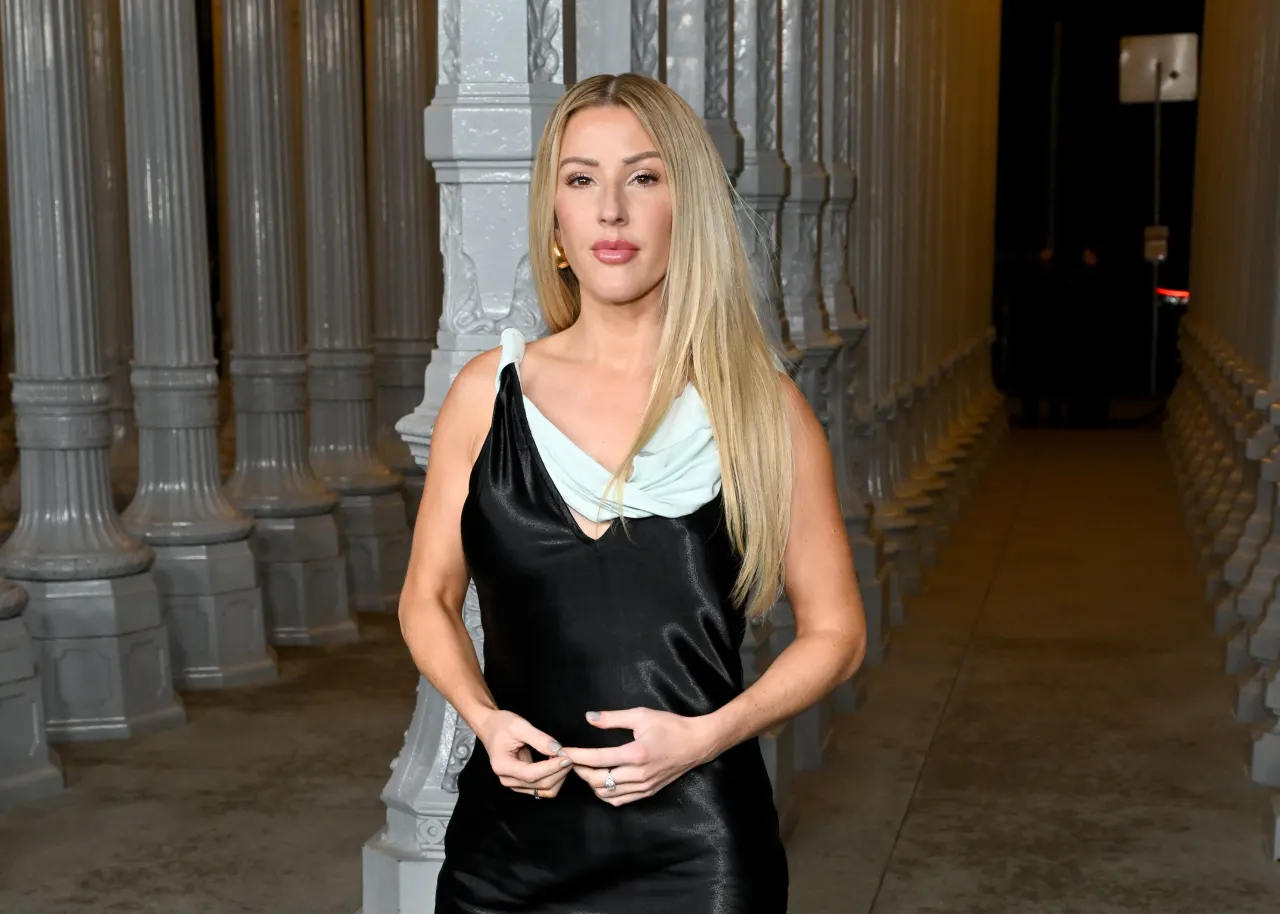
Pop singer Ellie Goulding has sued her former management team, alleging they concealed a fundamental conflict of interest for years while negotiating her contracts. Benedict Mawson and Edward Millett of TaP Management, who managed Goulding from 2018 to 2025, are accused of hiding the fact that Live Nation had held a controlling stake in TaP's parent company, HNOE, since 2015 before buying it outright in 2019, placing the pair directly under the ticketing giant's control while they simultaneously struck deals on Goulding's behalf with Live Nation subsidiaries.
The lawsuit, filed against Mawson, Millett and HNOE, claims the managers took a 20 percent commission on Goulding's agreements for concert promotion, merchandise and a documentary film, all while contractually barred from encouraging any client to reduce business with Live Nation companies. Goulding says she was unaware of these ties and argues the arrangement breached her managers' fiduciary duty by compromising their ability to secure her the best possible terms; she is seeking equitable compensation and damages. TaP Management, founded in London in 2010, and Goulding's representatives have not commented, and no resolution to the case has been reported since it was filed. Goulding's sixth album, I Know Too Much, is set for release on 4 September via Polydor.
- Ellie Goulding sues former managers over hidden Live Nation ownership ties
- Managers allegedly took 20% commissions on her Live Nation-linked deals
- Case remains unresolved; no comment yet from TaP Management or Goulding's team
New here? Start with this
Ellie Goulding is a British singer-songwriter known for hits such as "Lights" and "Love Me Like You Do", and one of the UK's most prominent pop exports over the past 15 years. TaP Management, run by Benedict Mawson and Edward Millett, handled her career affairs, a role that typically includes negotiating contracts and taking a percentage commission on the deals struck on an artist's behalf.
Live Nation is a US-based entertainment giant that dominates concert promotion, ticketing and artist merchandising worldwide, and owns numerous subsidiary companies across the live events industry. In 2019, Live Nation acquired the firm employing Mawson and Millett, meaning the pair were effectively working for Live Nation while still managing Goulding, who in turn was signing deals with various Live Nation-owned businesses.
The case matters because artist managers are generally expected to act solely in their client's interest, free from outside pressures. When a manager's employer also stands to profit from the deals being negotiated, it raises questions about whether the artist got fair terms, an issue with implications well beyond one singer, given how many artists work with management firms tied to major entertainment conglomerates.
Both sides, in good faith
The strongest fair case each way — we don't pick a winner.
The case for
Advocates for Goulding's position argue that management is fundamentally a fiduciary relationship requiring representatives to act solely in their client's interest, and that concealing a corporate parent's competing commercial stake substantially undermines that duty. As live entertainment has consolidated under a small number of dominant firms, they contend artists face growing risk that their own representatives are structurally incentivised to steer deals toward that firm's subsidiaries rather than negotiate the toughest possible terms on their behalf. Transparency about such ties, on this view, is not a mere technicality but essential to informed consent, since an artist cannot meaningfully weigh advice from someone contractually barred from discouraging them from working with their employer's own entities. Pursuing this through the courts is, in this reading, a legitimate way to test whether industry consolidation has quietly eroded the independence artists are entitled to expect from those who represent them.
The case against
Those sympathetic to the managers' position might argue that consolidation in the live music industry is now widely known within the business, and that commission structures, corporate affiliations and standard practices are typically set out in the management agreements themselves, which artists and their advisers have the opportunity to review before signing. They may contend that a management company being owned by a larger entertainment group does not, on its own, prove that any specific deal Goulding received was worse than she would otherwise have secured, and that the lawsuit's allegations remain claims yet to be tested in court rather than established fact. Some might also point out that continuing to work with the same managers for seven years without raising objections is relevant context for assessing the dispute, and that litigation can sometimes serve as leverage in a wider commercial disagreement. On this view, the matter should turn on whether concrete harm and genuine concealment can be demonstrated, rather than on the existence of a corporate relationship that is now common across much of the touring industry.
More coverage
Business Companies Entertainment Music
Read the full article at the source →
Originally published by Pitchfork as “Ellie Goulding Sues Former Managers for Hiding Live Nation Ties”.