Video games news, releases, esports and culture — all the biggest gaming stories in one place.
‘Pokémon’ Unreal Engine Remake Reimagines A Classic 21 Years Later
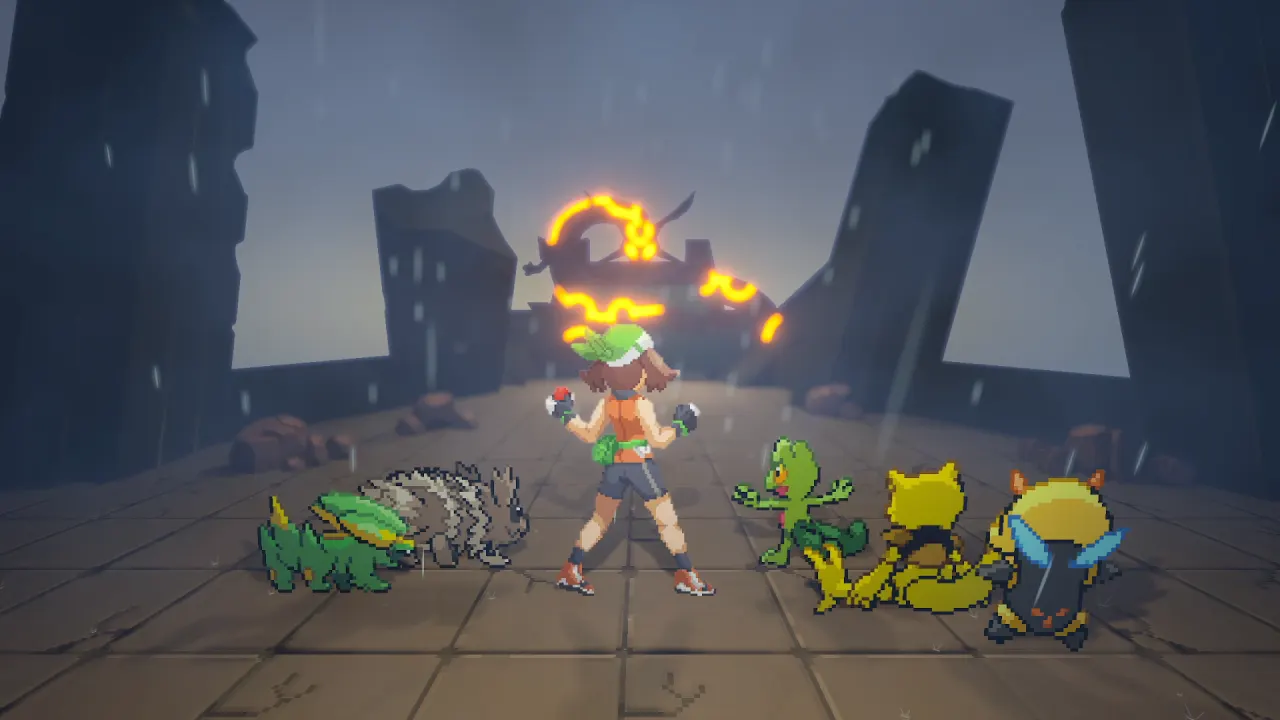
A solo developer known as UndreamedPanic has released Gamma Emerald, a fan-made Early Access remake of Pokémon Emerald built in Unreal Engine, recreating the 2004 Game Boy Advance classic with modern visuals and quality-of-life upgrades. The project arrives amid speculation about an official Nintendo Switch port of the game, and stands out for being built almost entirely solo, with the developer describing 12-hour programming days sustained over 18 months to create the engine, tools, sprites, music and models from scratch.
The current build covers the game from the starting town of Littleroot through to Mauville City, featuring 2D-HD sprite work, three defeatable gyms and around six hours of gameplay, plus the original's rematch system, though double battles and online multiplayer are missing. New additions include a day-and-night cycle, reworked HM moves, Generation IV's Physical/Special move split, limited online trading, and permanent access to the storage box. The developer has stated no money is being accepted for the project in any form and has urged fans to support the official Pokémon games, while warning of a possible break after already issuing one bug-fix update.
In short
- Solo developer remade Pokémon Emerald in Unreal Engine as a free fan project
- Gamma Emerald covers Littleroot to Mauville City, roughly six hours long
- Adds day/night cycle, HM fixes, Gen IV move split; no double battles or multiplayer
Steelman: both sides, in good faith
The strongest fair case each way — we don't pick a winner.
The case for
Fan preservation projects like Gamma Emerald serve an important cultural function by maintaining community engagement with beloved games when official releases aren't readily available on modern platforms. The developer demonstrates genuine respect for intellectual property by explicitly refusing monetisation, warning of potential takedown risk, and directing players to support official Pokémon games, suggesting this is a labour of love motivated by passion rather than commercial intent. Such projects represent significant technical achievement and creative expression that enrich gaming culture whilst posing minimal threat when managed with such transparency and restraint.
The case against
Intellectual property law exists to protect creators' control over their work, and fan remakes fundamentally infringe those rights regardless of benevolent intent, setting a precedent that copyright can be selectively ignored if done respectfully. The timing proves especially problematic given ongoing speculation about an official Nintendo Switch port; this fan version could cannibalize sales and undermine Nintendo's ability to properly steward and monetise their own property. Even non-commercial infringement violates copyright, and the developer's current good faith offers no guarantee against future commercialisation or mission creep, making principled enforcement of IP rights essential.
Explained simply
Pokémon Emerald is a role-playing game first released for Nintendo’s Game Boy Advance in 2004. Set in the Hoenn region, it follows a young trainer who travels between towns, challenges Gym Leaders and catches Pokémon; the original game also introduced features such as rematches with some trainers.
The series is owned by Nintendo, Game Freak and Creatures, and its games are officially published by Nintendo and The Pokémon Company. Fan-made projects such as Gamma Emerald are created independently, so they are separate from official releases and are not developed or endorsed by those companies.
A remake can give returning players a new way to experience an older game, while changes to battles and storage can alter how it plays. The interest also reflects ongoing attention to Pokémon’s earlier games as fans look for ways to play them on newer hardware.