Corporation targeted by Brandon Gill digs in on ‘diverse workforce’ after firebrand opens DEI probe
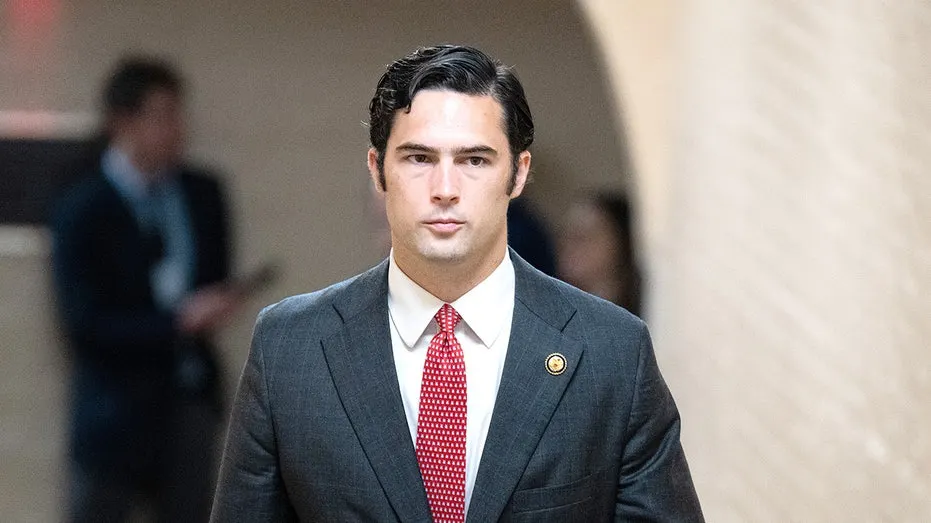
McKinsey & Company has defended its diversity, equity and inclusion (DEI) practices after Republican congressman Brandon Gill launched a probe into the consulting giant, accusing it of promoting misleading claims. The firm has stood firm on maintaining a "diverse workforce", setting up a clash with House Republicans who are increasingly targeting corporations and institutions over their DEI policies.
Gill, a Texas Republican known for his outspoken conservative advocacy, has been vocal in criticising organisations he views as pushing DEI agendas, including separate remarks about the American Bar Association's influence over law school accreditation. McKinsey, a multibillion-dollar global consultancy, is reported to be defending research and workforce policies that Republicans allege contain misleading claims, though the firm has not backed down from its commitment to diversity in hiring and operations.
- Brandon Gill opens DEI probe into consulting giant McKinsey & Company.
- McKinsey defends its "diverse workforce" stance amid Republican scrutiny.
- Part of a wider GOP push against corporate DEI policies.
New here? Start with this
McKinsey & Company is a global consulting firm that advises businesses and governments. Its research and recommendations can influence decisions across many sectors, while its workforce policies have drawn political scrutiny in the United States.
Diversity, equity and inclusion, often shortened to DEI, refers to policies intended to widen opportunity and address barriers affecting different groups. US Republicans, including Congressman Brandon Gill of Texas, have criticised some organisations’ DEI policies and claims about their effects; supporters say such efforts can help make workplaces more inclusive.
The dispute reflects a wider US debate over how employers should approach diversity and how those policies should be assessed. It also raises questions about the role of Congress in examining private companies’ research and employment practices.
Both sides, in good faith
The strongest fair case each way — we don't pick a winner.
The case for
Supporters of McKinsey's DEI initiatives argue that such programmes address documented historical inequities and unconscious biases that limit opportunities for underrepresented groups, thereby creating fairer workplaces whilst bringing diverse perspectives that benefit organisational performance and innovation. They contend that a commitment to diverse hiring does not compromise merit-based standards but rather expands recruitment to include qualified candidates who might otherwise be overlooked due to systemic barriers, and that the research supporting DEI practices is sound and grounded in addressing genuine workplace discrimination.
The case against
Critics argue that DEI programmes can constitute discrimination against majority groups and individuals not covered by such initiatives, potentially undermining purely merit-based advancement and decision-making. They contend that many diversity claims lack robust empirical support and that framing hiring decisions through identity categories may actually undermine genuine inclusion and equal treatment, believing instead that equal opportunity without preferential treatment based on identity is both more principled and more effective at creating fair workplaces.