Luigi Mangione’s friends say they’re standing by him even after he admitted to shooting UnitedHealth CEO Brian Thompson dead
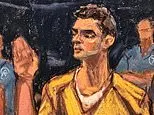
Friends of Luigi Mangione, the man accused of fatally shooting UnitedHealthcare CEO Brian Thompson in New York, say they continue to support him despite reports that he has made admissions about the killing. The case has drawn intense public attention in the United States, with the shooting and subsequent manhunt sparking widespread debate over the health insurance industry, and Mangione himself becoming a polarising figure with a vocal base of online sympathisers.
The article reports that people close to Mangione remain loyal to him even after his reported confession to shooting Thompson dead, though the piece provided offers little further detail on the specifics of the case, the legal proceedings, or direct quotes from the friends in question. Thompson was shot in December in what authorities described as a targeted attack, and Mangione was subsequently arrested and charged in connection with the killing.
- Mangione's friends say they still support him.
- This follows his reported admission to the shooting.
- Brian Thompson, UnitedHealthcare CEO, was killed in December.
New here? Start with this
Brian Thompson was the chief executive of UnitedHealthcare, one of the largest health insurers in the United States. He was shot dead in New York in December, in an attack authorities described as targeted.
Luigi Mangione was arrested and charged in connection with Thompson’s killing. The case has attracted attention beyond the criminal investigation, amid public debate about the US health insurance industry and online support for Mangione.
Both sides, in good faith
The strongest fair case each way — we don't pick a winner.
The case for
Those supporting Mangione argue that genuine friendship means remaining loyal even when someone has committed a terrible act, and that abandoning them serves no constructive purpose. They also point to documented failures of the healthcare system to provide necessary care, suggesting that whilst violence cannot be justified, the systemic context of desperation and harm deserves recognition. From this perspective, standing by Mangione reflects commitment to both human dignity and acknowledgement of real structural injustices.
The case against
Those opposed to public support for Mangione contend that standing by someone who admits to premeditated murder risks normalising violence as an acceptable response to social problems. The victim, Brian Thompson, was a human being whose death is a tragedy affecting his family, and this human cost must be central to how the case is understood. From this view, loyalty to individuals cannot extend to apparent endorsement of serious crimes, and accountability for taking another's life must take precedence over other considerations.