Technology news and discussion on TalkFuse.
Charley Crockett Says He “Lost a Lot of Respect” For Jack White After Satanic Doo-Wop Group Controversy
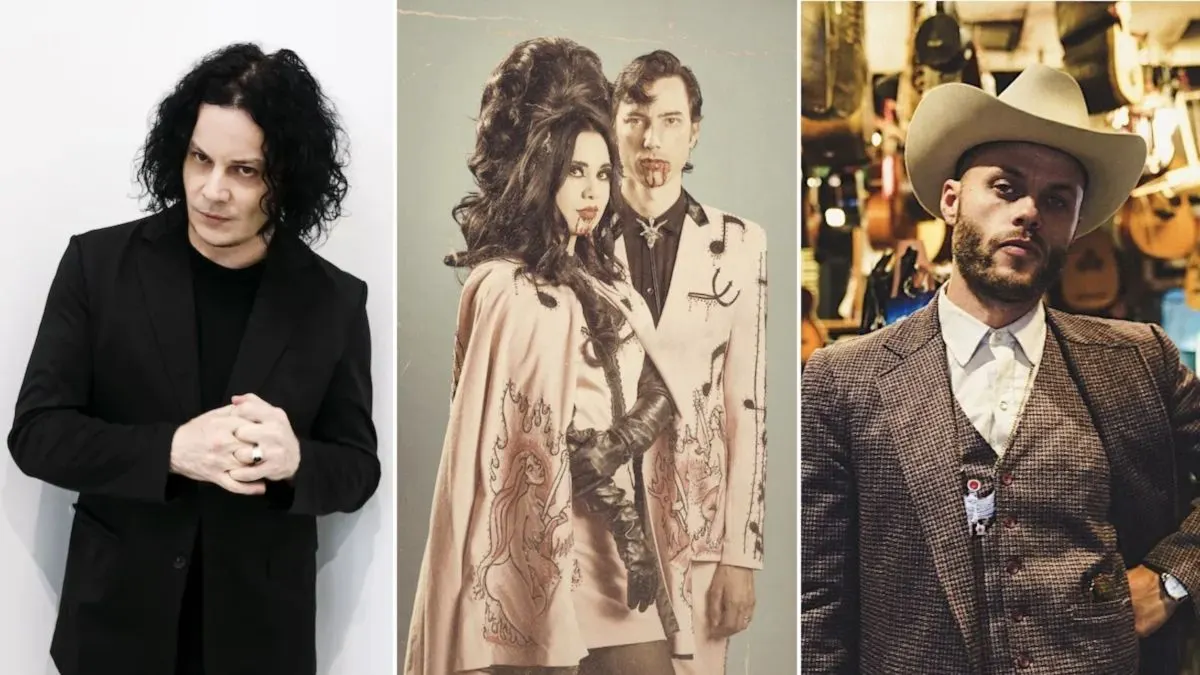
Country singer Charley Crockett has addressed the fallout from removing Satanic doo-wop duo Twin Temple from his tour, saying he "lost a lot of respect" for Jack White after the White Stripes frontman offered the pair a support slot on his own tour. Crockett accused White of exploiting the controversy to sell tickets, and questioned why White had not been similarly outspoken during his time with the White Stripes. The exchange highlights ongoing tension between the two musicians and has drawn wider attention to how artists navigate booking disputes involving religious or political imagery.
In a lengthy social media post, Crockett insisted Twin Temple were not dropped from two of his shows because of their Satanic imagery, but because their production requirements could not be accommodated and certain onstage elements raised concerns for an all-ages audience; he said the band were paid in full. Twin Temple had publicly claimed in July that their Satanic branding was the reason for their removal, after which White invited them to open for him in September. Crockett also acknowledged some responsibility for letting the booking "slip through", while noting White's past reluctance to address political issues during his White Stripes years, despite the band's 2007 song "Icky Thump" touching on immigration and White's more recent criticism of Donald Trump.
In short
- Charley Crockett says he lost respect for Jack White over Twin Temple row.
- Crockett denies dropping Twin Temple solely for Satanic imagery, cites production issues.
- White offered Twin Temple a slot on his own tour after their removal.
Steelman: both sides, in good faith
The strongest fair case each way — we don't pick a winner.
The case for
Crockett contends that removing Twin Temple was a straightforward logistical decision: their production requirements could not be accommodated and certain onstage elements raised legitimate safety concerns for an all-ages audience, which any responsible promoter must navigate. Having paid them in full, he acted in good faith. When Jack White subsequently offered them a support slot, Crockett reasonably questions whether this was genuine principle or opportunistic exploitation of the controversy to drive publicity and ticket sales. Moreover, White's relative silence on political and artistic matters during the White Stripes' influential years suggests inconsistency in his commitment to the free expression values he now invokes.
The case against
Twin Temple's Satanic imagery forms the core of their artistic identity, and the circumstances suggest that religious or aesthetic objections were likely the true reason for removal, regardless of stated logistics. Jack White's support represents genuine artistic solidarity with a band facing what appears to be suppression of creative expression—precisely the principle an artist concerned with freedom should defend. Artists' perspectives legitimately evolve over time, so White's past quietude during the White Stripes era does not invalidate his current commitment to supporting unconventional expression. Crockett's accusation that he lost respect for White over his booking choice reflects an intolerance for those who choose to support provocative artistic work.
Explained simply
Twin Temple are a musical duo whose stage act uses Satanic imagery, while Charley Crockett and Jack White are established musicians who tour with supporting acts. Disagreements can arise when artists’ production needs or stage material do not fit a venue or a show’s audience, and musicians may give different accounts of why a booking changed.
The dispute has drawn attention to how artists respond when religious imagery becomes part of a public booking controversy. It also touches on questions about when musicians speak out on political issues and how their past statements are judged alongside their current choices.