World news and discussion on TalkFuse.
“Sabotage”: Experts, lawmakers blast RFK Jr. for destroying healthcare research
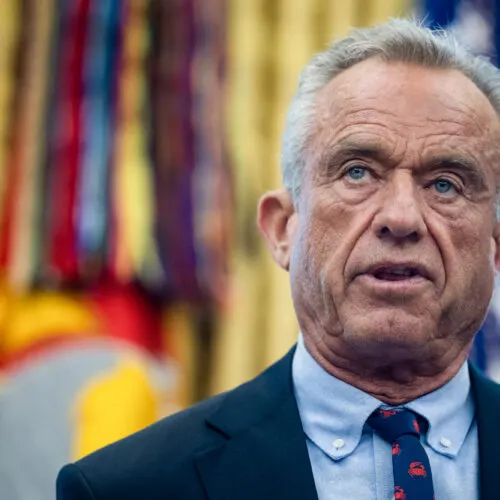
The Agency for Healthcare Research and Quality (AHRQ), the US federal body dedicated to improving patient safety and healthcare quality, is described as "on the brink" of collapse after sweeping cuts under the Trump administration and Health Secretary Robert F. Kennedy Jr. Health policy experts and 30 Democratic senators have accused Kennedy of "sabotage", warning that the dismantling of the agency will leave Americans "sicker, poorer, and dying from preventable causes" and set back health services research for a generation.
Staff numbers at AHRQ have been cut by around 75 percent, and in July the agency sent grant cancellation letters to roughly 150 researchers, scrapping more than 100 grants worth over $250 million. Although Congress appropriated $345 million for the 2026 fiscal year, only $15 million has so far been spent on grants, halting research across more than 30 states, including work on maternal emergency care, home dialysis access, hospital falls prevention, antibiotic overuse and chronic pain management. Senators have given Kennedy until 25 August to respond and rescind the cancellations, while the health department has previously defended the cuts.
In short
- AHRQ staff cut 75%, over $250m in research grants cancelled
- Experts and senators call the cuts "sabotage" of vital health research
- Democratic senators demand Kennedy reverse cuts by 25 August
Steelman: both sides, in good faith
The strongest fair case each way — we don't pick a winner.
The case for
Government spending requires careful fiscal stewardship, and AHRQ—which distributes grants rather than conducting original research—represents a bureaucratic layer that critics argue may be inefficient or redundant. Advocates for the cuts contend that academic institutions and medical organisations can conduct necessary healthcare research without a dedicated federal agency, and that controlled reduction of federal commitments demonstrates responsible management of taxpayer money. This position reflects a broader principle that federal agencies should be scrutinised for necessity and that smaller government and fiscal discipline are legitimate policy priorities.
The case against
AHRQ funds practical, evidence-based research into pressing healthcare problems—maternal emergency care, falls prevention, antibiotic resistance, chronic pain—that private industry has little incentive to pursue, yet which directly saves lives and improves patient safety. Congress appropriated £345 million for this work, but only £15 million is being spent, damaging research infrastructure that takes years to rebuild and contravening legislative intent. Opponents argue that such cuts subordinate long-term public health to short-term austerity, leaving people with fewer evidence-based improvements to care, particularly vulnerable populations.
Explained simply
AHRQ is a US government agency that funds research into how to make healthcare safer and more effective. Its work includes studying problems such as hospital falls, antibiotic overuse and access to treatment, with the aim of helping health services improve care.
The agency operates within the Department of Health and Human Services, led by Health Secretary Robert F. Kennedy Jr. Researchers and lawmakers say its role matters because evidence from health studies can guide hospitals and policymakers, while gaps in that evidence may make it harder to prevent harm and improve care.