World news and discussion on TalkFuse.
Liberia agrees to accept 1,200 third-country deportees from US within a year
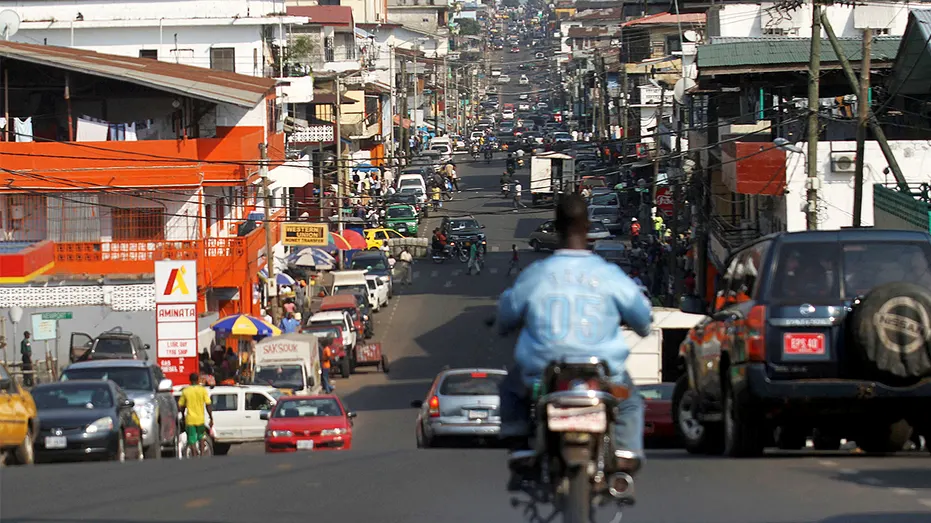
The United States and Liberia have established a bilateral agreement in which Liberia will accept up to 1,200 foreign nationals subject to deportation from America over the coming year. The arrangement addresses the removal of third-country deportees—individuals who neither hold Liberian nor U.S. citizenship but are designated for deportation.
Official characterisation positions this as one of the most significant arrangements of its type implemented under the current administration's immigration enforcement strategy. Such agreements expand deportation capacity by securing cooperation from third nations willing to accept individuals targeted for removal from U.S. jurisdiction.
In short
- Liberia agreed to accept up to 1,200 third-country deportees from the U.S. within the next year
- The arrangement is described as one of the largest deportation agreements of its kind under Trump administration immigration enforcement
Steelman: both sides, in good faith
The strongest fair case each way — we don't pick a winner.
The case for
Supporters of the agreement argue that sovereign states are entitled to enforce their immigration laws and that removing individuals with no legal right to remain in the United States is a legitimate function of government. They contend that third-country arrangements are a practical solution when a deportee's home nation refuses or delays repatriation, preventing indefinite detention and ensuring immigration rulings carry real consequences. Advocates also note that such agreements can bring economic or diplomatic benefits to the receiving country, provided they are entered into voluntarily and with adequate safeguards.
The case against
Critics argue that sending deportees to a country with which they have no citizenship, family ties or cultural connection raises serious human rights and due process concerns, particularly if Liberia's capacity to house, protect or reintegrate these individuals is limited. They worry that third-country deportation arrangements can become a way to circumvent legal protections against removal to unsafe conditions, effectively outsourcing responsibility for vulnerable people to nations less equipped to safeguard their welfare. There is also concern about the transparency of such deals and whether the individuals affected have meaningful opportunity to contest their removal to a country that is, to them, effectively foreign soil.
Explained simply
The United States can seek to deport people who do not have permission to remain there. If someone cannot be returned to their country of citizenship, US authorities may try to send them to another country willing to accept them.
Liberia is a West African country, and its government has agreed to receive up to 1,200 people who are neither Liberian nor US citizens over the next year. The arrangement is part of US efforts to find countries that will accept people facing deportation.
Such agreements can affect where people are sent and how the US carries out deportations. They also involve the receiving country taking responsibility for people who may have no prior connection to it.