World news and discussion on TalkFuse.
Why your 101 calls to South Yorkshire Police will no longer be answered by a human
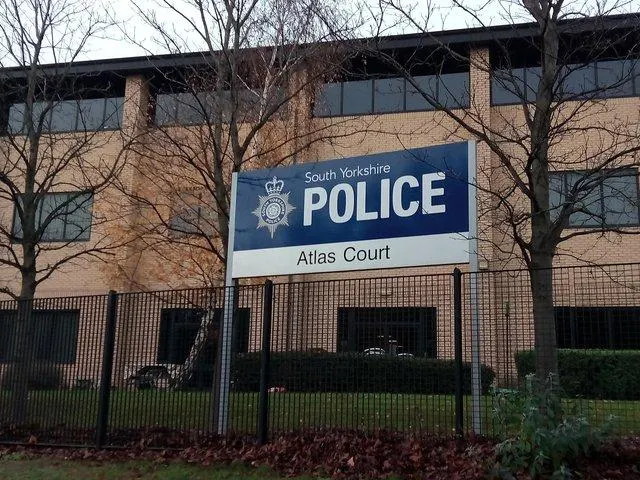
South Yorkshire Police has introduced artificial intelligence software to manage its 101 emergency line more efficiently by screening incoming calls before they reach human handlers. The system automatically categorises contacts, filtering out unsuitable calls such as requests meant for local councils or NHS services, prank calls, and trivial complaints about unrelated matters like food delivery delays or pub service. According to police, roughly one-fifth of all 101 calls are misdirected to agencies other than the police service.
The initiative is designed to redirect call handlers' time and resources toward genuine crime reports, safeguarding emergencies, and victim support. The Crime and Policing Minister framed the technology as part of modernising police control rooms, arguing that handling misrouted calls diverts officers from actual crime prevention and investigation work. Officials claim the implementation will generate cost savings that forces can reinvest into tackling street-level crime.
In short
- South Yorkshire Police deploys AI software to filter incoming 101 calls, removing non-emergency and misrouted contacts before they reach human operators
- Approximately one-fifth of calls target other agencies; the system aims to redirect police resources toward genuine crime reports and safeguarding issues
- Government expects the technology to unlock cost savings and improve emergency response times
Steelman: both sides, in good faith
The strongest fair case each way — we don't pick a winner.
The case for
Supporters argue that AI screening directly addresses a documented problem: roughly one-fifth of 101 calls are misdirected to councils, NHS, or are pranks and trivial complaints that prevent genuine crime reports reaching officers. By automating this initial triage, the system frees hundreds of officer-hours monthly for actual crime prevention, victim support, and investigation, with cost savings reinvested into frontline services. The technology maintains human oversight for genuine cases whilst improving police operational efficiency and responsiveness where it matters most.
The case against
Critics contend that emergency services should prioritise accessibility and safety over efficiency gains, particularly given that AI systems have documented error rates and biases that could cause genuine emergencies to be misclassified. Human judgment at the point of first contact provides accountability and catches edge cases AI isn't trained to recognise, especially for vulnerable callers whose needs don't fit standard categories. Moreover, publicising that calls are screened by machine may itself deter some people from reporting crimes, undermining the police's fundamental relationship with the public.
Explained simply
In England, 101 is the number for contacting the police about matters that are not urgent; emergencies requiring an immediate response should be reported on 999. People also use 101 to report crimes, pass on information or ask for police help. Some calls are instead intended for services such as councils or the NHS.
South Yorkshire Police is responsible for policing the county and handling calls from the public. Its call handlers assess what callers need and direct urgent cases or reports to the right people. The force says about one in five calls to 101 are meant for another organisation.
Police control rooms have to divide staff time between different kinds of calls. The use of automated systems to sort contacts is part of a wider effort to manage that workload and reduce the time staff spend on calls that police cannot deal with.