‘Prolier-than-thou!’ Burnham accused of ‘desperate’ attempt to play up working class roots by novelist
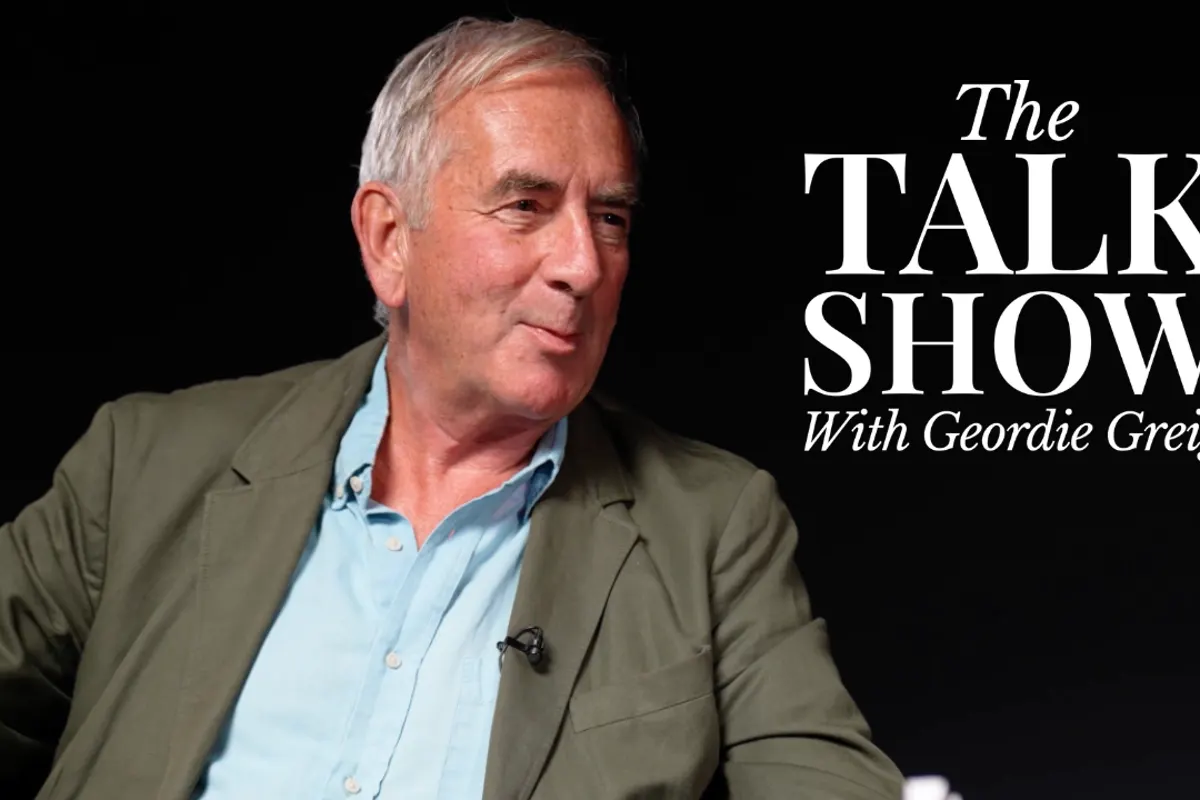
Novelist Robert Harris has accused Prime Minister Andy Burnham of adopting a "prolier-than-thou" attitude by overstating his working-class background for political advantage. Harris, a lifelong Labour supporter who also grew up in a council house and studied at Cambridge, told The Independent's editor-in-chief Geordie Greig that he "hated" the way politicians such as Burnham and Keir Starmer "turn on the system that created them" while playing up humble origins, warning that Burnham's evident "desire to be liked" could ultimately make him appear "facile and glib".
In the wide-ranging interview, Harris contrasted Burnham with past Labour figures such as Roy Jenkins, whose father was a miner jailed for his political views but who never traded on his background. Harris also predicted public "disillusion" with Burnham may soon follow, tipped Home Secretary Shabana Mahmood as a possible future first female Labour prime minister, and spoke of his "painful" falling-out with Peter Mandelson following the Jeffrey Epstein scandal. The interview coincides with the imminent publication of Harris's new novel, Agrippa.
- Robert Harris says Burnham exaggerates working-class roots for political gain
- Harris warns Burnham risks seeming "facile and glib" to voters
- Harris also discusses Mandelson rift and tips Mahmood as future PM
New here? Start with this
Robert Harris is a bestselling British novelist and journalist, best known for historical thrillers such as Fatherland and Munich, and a long-standing supporter of the Labour Party. Andy Burnham is the current Prime Minister, a Labour politician who has often spoken publicly about growing up in a working-class Catholic family in the North of England and about feeling out of place as a state-school student at Cambridge University.
Harris has publicly accused Burnham of overstating or exploiting this background for political advantage, using the phrase "prolier-than-thou" to describe politicians who compete to appear more working-class than their rivals. He makes a similar point about Keir Starmer, Burnham's predecessor as Labour leader, who has frequently referred to his father's job as a toolmaker when discussing his own upbringing.
This debate matters because it touches on a long-running question in British politics about authenticity: whether politicians' personal backgrounds are a genuine part of who they are, or a device used to build public trust and appeal to voters. Harris draws a comparison with past Labour figures, such as Roy Jenkins, to argue that earlier generations of politicians handled similar backgrounds differently, without emphasising them for political gain.
Both sides, in good faith
The strongest fair case each way — we don't pick a winner.
The case for
A politician's working-class background genuinely shapes their values and understanding of ordinary people's struggles, making it authentic to acknowledge those formative experiences. Emphasising one's roots is not manipulation but rather helping voters understand where a leader comes from and why they prioritise certain issues; many politicians from humble origins, like Burnham, have dedicated their careers to improving working people's lives, and discussing those origins demonstrates genuine commitment rather than cynical positioning.
The case against
When politicians repeatedly emphasise their humble origins whilst having long since transcended that background through education and professional success, it risks becoming performative rather than substantive. True integrity involves doing the work without constantly invoking one's past for sympathy or relatability; there is a meaningful difference between remembering where one came from and trading on one's biography for political advantage, as evidenced by earlier Labour figures who simply acted on their values without theatricality.