Business news and discussion on TalkFuse.
UK relies on heat-stressed countries for fruit and veg it could grow itself – report
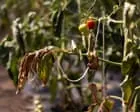
The UK is exposed to future food price shocks because it relies heavily on fruit and vegetable imports from countries that are themselves more vulnerable to the climate crisis than Britain, according to a new report from the Food Foundation charity. This comes as the UK has already endured a record five heatwaves this year alongside drought and wildfires, which have damaged domestic crop yields, while the report warns that without greater investment in domestic production, the country risks worsening supply disruption and rising prices that could put healthy food further out of reach for many households.
The UK imports around 40% of its food, including 80% of its fruit and 47% of its vegetables, giving it one of the lowest food self-sufficiency rates and highest fruit-import dependency among large western European nations. The report found that 90% of the top 20 countries supplying the UK's healthy staple foods are rated moderately to severely vulnerable to climate breakdown, and that crops such as tomatoes, mushrooms, peppers, cucumbers, onions, broccoli and green beans, along with several popular fruits, could be grown far more extensively at home than they currently are. The Food Foundation is urging the government to invest more in helping British farmers adapt, while growers already cite rising energy costs and labour shortages as obstacles to expanding production.
In short
- UK depends on climate-vulnerable countries for most fruit and veg
- Report warns of future price shocks without action
- Food Foundation urges more investment in British farming
Steelman: both sides, in good faith
The strongest fair case each way — we don't pick a winner.
The case for
Advocates of boosting domestic fruit and vegetable production argue that Britain is exposed to real and growing risk by relying so heavily on countries increasingly hit by heatwaves, droughts and water shortages, and that a nation with fertile land and advanced horticultural expertise should not leave staple food supplies hostage to climate shocks abroad. They contend that investing in British growers, glasshouses and storage capacity would improve resilience, protect consumers from sudden price spikes, support rural livelihoods, and shorten supply chains in a way that also reduces transport emissions. For them, food security is a matter of national self-sufficiency and prudent long-term planning rather than short-term cost.
The case against
Those more sceptical of a rapid shift towards domestic self-sufficiency argue that international trade allows Britain to source produce from wherever it can be grown most efficiently and affordably, and that growing certain crops at scale in the UK's climate would often require energy-intensive heated glasshouses or irrigation with its own significant environmental and financial costs. They point out that diversifying import sources across many regions, rather than retreating into domestic production, can itself be a sound hedge against localised climate shocks, and that consumers benefit from the lower prices and year-round variety that global supply chains provide. From this perspective, the sensible response to climate risk is smarter, more diversified trade and investment in resilient supply chains abroad, not a costly and potentially inefficient push for national self-reliance.
Explained simply
The UK imports much of the food it eats, particularly fruit and vegetables. Some of its main suppliers are countries where farming is considered especially vulnerable to climate change, which can affect harvests and disrupt supplies.
British farmers already grow many kinds of fruit and vegetables, but domestic production is limited for some crops that could grow here. Expanding it can be difficult because growers face costs such as energy and labour, and farms also need to adapt to changing weather.
The issue matters because disruption to harvests at home or abroad can reduce supplies and push up prices. If healthy foods become more expensive, some households may find them harder to afford.
Business Climate Culture Food Research Science UK World