Culture news and discussion on TalkFuse.
Rare cows part of estate’s rewilding project
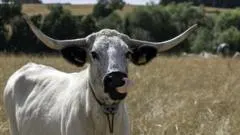
Castle Howard Estate in North Yorkshire has introduced a herd of rare White Park cattle as part of a 30-year rewilding scheme, marking the latest phase of the Bog Hall habitat restoration project near Malton. The estate says the cattle's grazing will help create a more varied habitat structure in newly sown meadows, with the initiative also planned to include the reintroduction of beavers later this year, forming part of a broader effort to restore biodiversity to the site.
The White Park breed, considered one of the most ancient native cattle types in the British Isles, is priority-listed by the Rare Breeds Survival Trust and was chosen for its suitability to outdoor grazing in wetter grassland habitats; the herd will live outside year-round. The Bog Hall Habitat Bank scheme, run in partnership with Environment Bank, aims to rewild 440 acres of agricultural land within the Howardian Hills National Landscape, and since starting in 2024 volunteers have installed around three miles of fencing, built badger tunnels and otter passes, restored meadows, and created ponds and leaky dams, with local schoolchildren also contributing signage designs.
In short
- Rare White Park cattle introduced to Castle Howard's 30-year rewilding project
- Part of 440-acre Bog Hall Habitat Bank scheme near Malton
- Beavers due to be released on the estate later this year
Explained simply
Rewilding is the planned restoration of land so that natural processes and a wider range of wildlife can return. At Bog Hall, near Malton in North Yorkshire, Castle Howard Estate is changing 440 acres of farmland into a mix of habitats as part of a project intended to run for 30 years.
The estate is working with Environment Bank on the habitat restoration scheme. White Park cattle are a rare native breed that can graze outdoors throughout the year; their grazing is intended to shape the meadows and create varied conditions for wildlife.
The project also includes ponds, restored meadows and routes that help animals move through the area. It is part of a wider effort to restore biodiversity in the Howardian Hills National Landscape.
Art Culture Environment Science