Preservation advocates condemn GTA 6 leak despite sharing industry concerns
Developed over time first seen 2 months ago
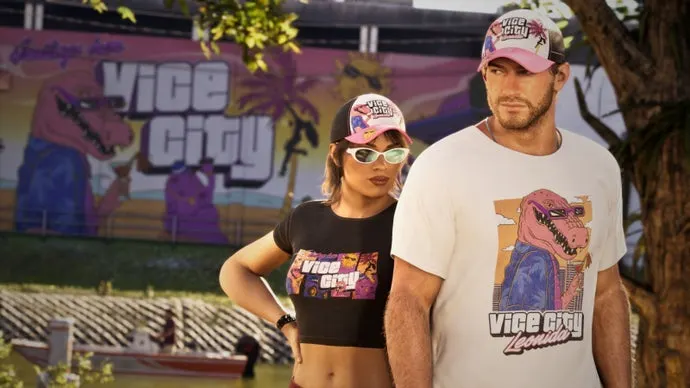
Stop Killing Games, the digital rights campaign focused on game preservation, publicly condemned the group behind a leak of material from Grand Theft Auto 6 after the leakers demanded that Rockstar Games commit to long-term preservation measures and release physical discs for the title. The campaign said "using illegal means to make a point is unacceptable," distancing its own advocacy from the leakers' methods even though both raised concerns about the games industry's shift away from physical media. The episode exposed a rift between legitimate consumer-rights campaigning and the unauthorised leaking of gameplay footage and map images, with the affair ultimately settling without Rockstar making any commitments on the leakers' demands.
The leak had been claimed by a group calling itself CyberLeek, which framed the breach as a protest against digital-only distribution and the erosion of physical ownership rights, releasing gameplay footage and map images in the process. Stop Killing Games' rebuke underlined that it did not endorse or coordinate with the leakers, despite sharing some underlying concerns about preservation and physical media. No further developments or responses from Rockstar emerged as coverage of the incident wound down.
- Stop Killing Games condemned the GTA 6 leakers' illegal methods.
- Leakers, calling themselves CyberLeek, demanded preservation measures and physical discs.
- Rockstar made no commitments; story has since settled without resolution.
New here? Start with this
Grand Theft Auto 6 is one of the most anticipated video games ever made, developed by Rockstar Games. Ahead of its official release, unreleased gameplay footage and map images were leaked online, something that has happened before with this title and is a major concern for developers who spend years building anticipation and marketing around a controlled release.
The leak has drawn in several different groups with competing interests. A hacking group calling itself CyberLeek says it carried out the breach to protest against the games industry's shift towards digital-only sales, arguing that losing physical copies harms consumers. This sits alongside separate, ongoing tension at Rockstar over job cuts earlier in 2026, some of which were linked to staff attempts to unionise, meaning former employees now have a stake in how the game and any backlash are received.
The story matters because it brings together several long-running debates in gaming: how much control players should have over games they buy digitally, how game studios treat their workforce, and whether preserving or leaking unfinished game content helps or harms the industry. Groups such as Stop Killing Games, which campaigns on digital ownership issues, have distanced themselves from the leak's methods even while sharing some of the same underlying concerns.
Both sides, in good faith
The strongest fair case each way — we don't pick a winner.
The case for
Supporters of the leakers' stated cause argue that the games industry's steady abandonment of physical media has stripped consumers of ownership rights they once took for granted, leaving players dependent on licences that publishers can alter or revoke at will. From this view, when official channels for reform move too slowly, dramatic acts that force a global conversation onto the front page can be seen as a legitimate, if extreme, form of consumer advocacy, comparable to other forms of civil disobedience used to spotlight neglected grievances. Advocates for this position would insist their target is corporate policy, not the workers who made the game, and that public pressure of this kind has historically been one of the few levers strong enough to move powerful publishers.
The case against
Critics, including former Rockstar staff and organised preservation groups, contend that breaching a studio's systems and distributing stolen creative work is a serious wrong that cannot be excused by the cause invoked to justify it, since it directly harms developers, including those who left the company amid unionisation disputes and take pride in work now being devalued by an unauthorised release. They further argue that criminal methods discredit legitimate campaigns for digital ownership rights, such as their own, by allowing publishers and sceptics to dismiss reform advocacy as inherently linked to lawbreaking. On this view, genuine progress on consumer rights and preservation depends on lawful pressure, coalition-building and public accountability, and leaks like this one set that work back rather than advance it.
Coverage
- Eurogamer — GTA 6 gameplay footage and map appear to leak online, as group seemingly responsible makes demands of Rockstar
- PC Gamer — Fired Rockstar workers say you shouldn’t boycott GTA 6 for them: ‘We spent years pouring our hard work, skill, and creativity into making GTA’
- GamesRadar+ — Stop Killing Games condemns Rockstar hackers’ false preservation plea