Trump wants to help 146,000 mentally ill who are homeless. Democrats want to stop him
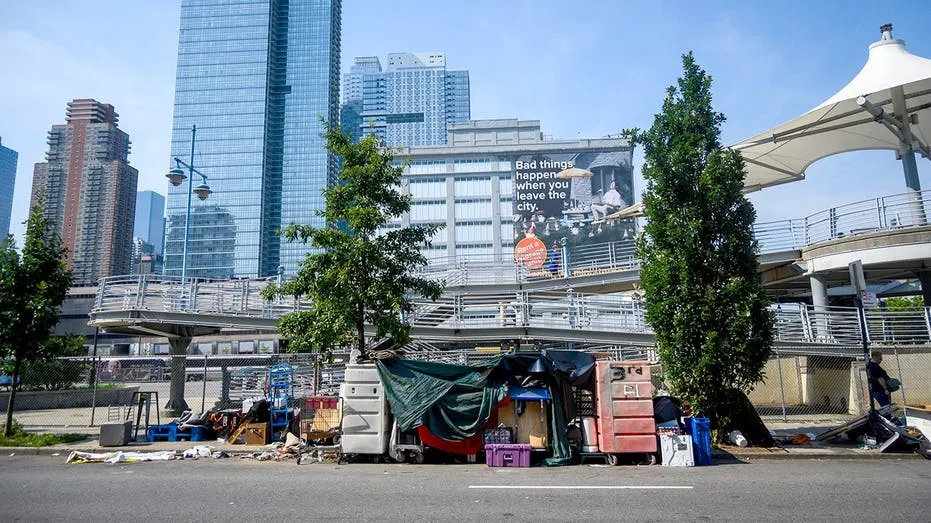
The Trump administration is pushing a plan to provide supportive housing and treatment for an estimated 146,000 homeless people with serious mental illness, but the initiative is facing opposition from congressional Democrats. In late July, House and Senate Democrats launched an inquiry accusing the administration of seeking to "return to a time when people with disabilities were denied basic civil rights," framing the effort as a rollback of protections rather than an attempt to address chronic homelessness among the mentally ill.
The dispute centres on the 1999 Supreme Court Olmstead decision, which the article says has for decades been interpreted broadly by government lawyers in a way that limited states' ability to compel or provide institutional or supportive care for people with severe mental illness, leaving many living unsheltered. The piece, an opinion article, argues that Democrats are defending a legal framework that has contributed to worsening conditions on America's streets, while the Trump administration's proposal aims to expand access to housing and treatment for this group.
- Trump plan aims to house 146,000 homeless people with mental illness.
- Democrats say it threatens disability civil rights protections.
- Dispute centres on interpretation of 1999 Olmstead Supreme Court ruling.