Don’t Skip Your Chance to Compete in The UNO Championship Series, With a $50,000 Grand Finale Prize
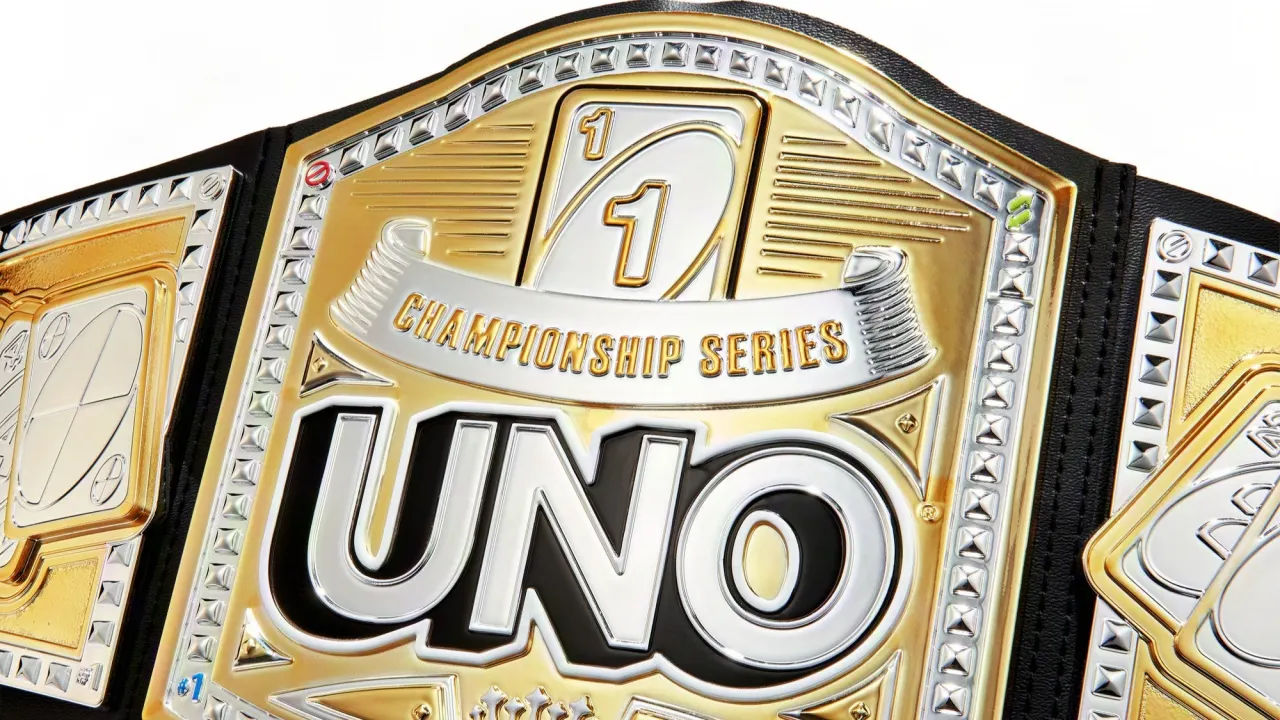
Mattel has launched the UNO World Championship Series, a competitive tournament for the popular card game that offers a $50,000 grand prize to the eventual winner. The move takes UNO beyond casual family game nights into organised esports-style competition, with a live-streamed final designed to give the game global visibility.
Players can qualify via the UNO! mobile app or by attending in-person qualifiers in Orlando (3 October), Chicago (10 October) and Los Angeles (17 October). The grand final will be broadcast live from Los Angeles on 11 November and streamed worldwide on Twitch. Alongside the tournament, Mattel is releasing a range of branded products, including a Championship Series Tournament Set, a Championship Series Belt and a Card Shuffler, each priced at $19.99, plus a more advanced Expanded Tournament Set at $27.99.
- Mattel launches UNO World Championship Series with $50,000 top prize.
- Qualifiers run in Orlando, Chicago and LA in October.
- Live final streamed on Twitch from LA, 11 November.
New here? Start with this
UNO is a card game made by Mattel, in which players try to get rid of their cards by matching colours or numbers. Its simple rules have made it familiar to families and casual players around the world.
Mattel is the toy company behind UNO and its mobile app, UNO!. Organised competitions give players a way to compete beyond informal games, while a streamed final can bring the event to a wider audience. The series also connects the game to a larger market for competitive gaming and branded products.
The $50,000 prize makes the competition a substantial event for a card game usually played for fun. Its format, with app-based and in-person qualifying, lets people enter in different ways.
Both sides, in good faith
The strongest fair case each way — we don't pick a winner.
The case for
Professional tournaments for established games represent valuable investment in competitive gaming, offering skilled players genuine opportunities for prize money and recognition whilst creating entertainment for global audiences. The multiple qualification routes enhance accessibility, and ancillary merchandise reasonably supports tournament production and presentation.
The case against
This initiative primarily serves corporate commercial interests through merchandise sales and engagement metrics, whilst applying competitive frameworks to a game where chance substantially constrains skill differentiation. Transforming UNO into esports risks eroding its appeal as an accessible, family-inclusive pastime by subordinating play value to profit extraction.