Culture news and discussion on TalkFuse.
Nobody can stop you from stealing The Great Gatsby
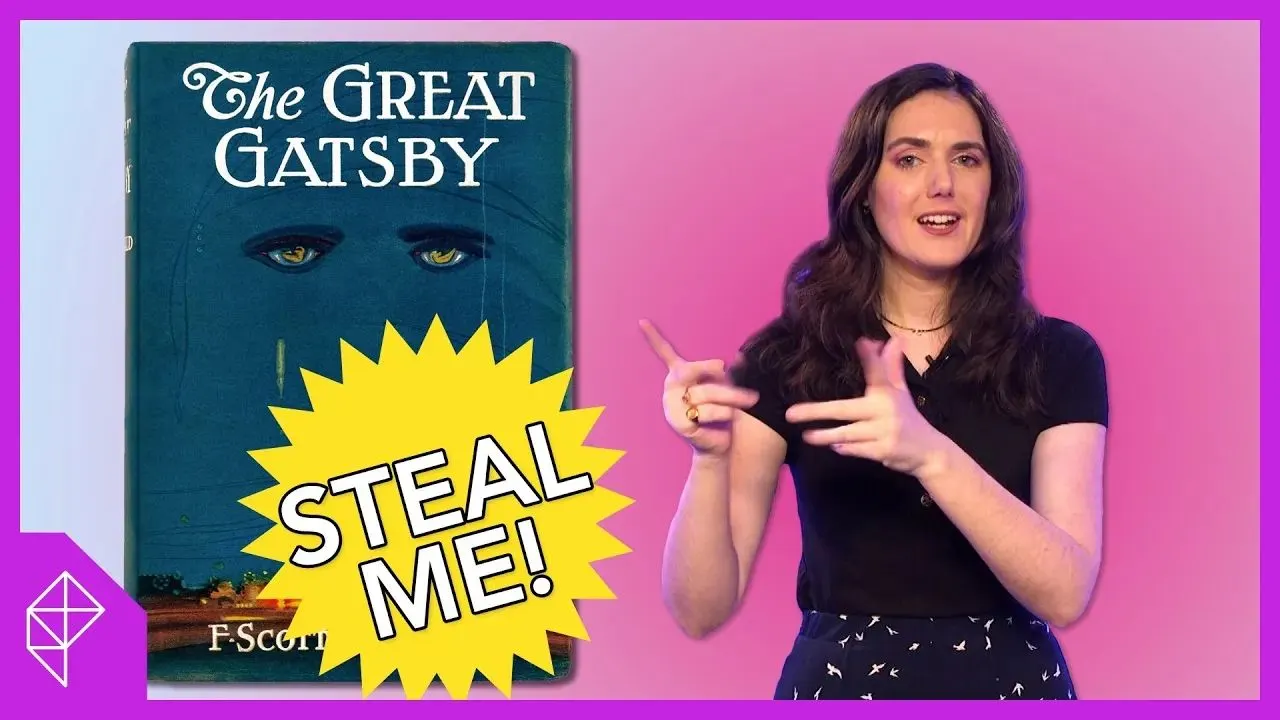
Following the entry of F. Scott Fitzgerald's The Great Gatsby into the public domain in early 2021, game developers organized a game jam event on itch.io to mark the occasion and explore creative possibilities now available without licensing restrictions. The competition attracted multiple submissions demonstrating how creators could adapt the classic novel in interactive form.
The event prompted examination of how intellectual property law influences video game creation and which parties benefit from copyright protections. The discussion encompassed broader questions about the relationship between patent systems, copyright frameworks, and the accessibility of cultural works to developers and the public.
In short
- The Great Gatsby entered public domain in January 2021, prompting developers to launch a game jam celebrating unrestricted creative use of the work
- The event sparked broader discussion about how copyright and patent systems shape video game development and who benefits from these legal frameworks
Steelman: both sides, in good faith
The strongest fair case each way — we don't pick a winner.
The case for
The entry of major cultural works into the public domain represents a vital expansion of creative freedom and public access. When copyright periods extend excessively, they prevent new creators from building upon foundational classics, stifling innovation and excluding independent developers from adapting beloved stories. The original author's legitimate interests are adequately protected through an initial copyright term; society gains enormously when cultural treasures become accessible to all, enabling them to be reimagined through media forms the original author could never have envisioned. Public domain works enrich human culture by belonging to humanity rather than corporate gatekeepers.
The case against
Authors and their estates deserve enduring control over intellectual property and the economic benefits it generates. Fitzgerald's work represents significant creative labour, and the author's heirs alongside publishers who have invested in preserving and promoting it deserve continuing benefit. Copyright protection incentivises the creation of quality cultural works by ensuring creators can recoup investments and sustain themselves; allowing unrestricted commercial adaptation without compensation undermines the entire creative economy. The principle that creators should decide how their life's work is used and adapted deserves meaningful weight beyond their lifetime, honouring both their legacy and the incentive structures that make serious artistic endeavour economically viable.
Explained simply
F. Scott Fitzgerald’s The Great Gatsby is a 1925 novel about wealth, ambition and social life in 1920s America. Copyright law gave its creators and rights holders control over how the book could be copied or adapted for a set period.
When a work enters the public domain, people can generally use and adapt it without seeking permission or paying a licence fee. That can open up older books to new forms, including games, while raising wider questions about how copyright balances creators’ rights with public access to culture.
Culture Entertainment Food Gaming Software Technology