Entertainment news and discussion on TalkFuse.
Metal band Demon Hunter sues Netflix over animated film title
Developed over time first seen 3 months ago
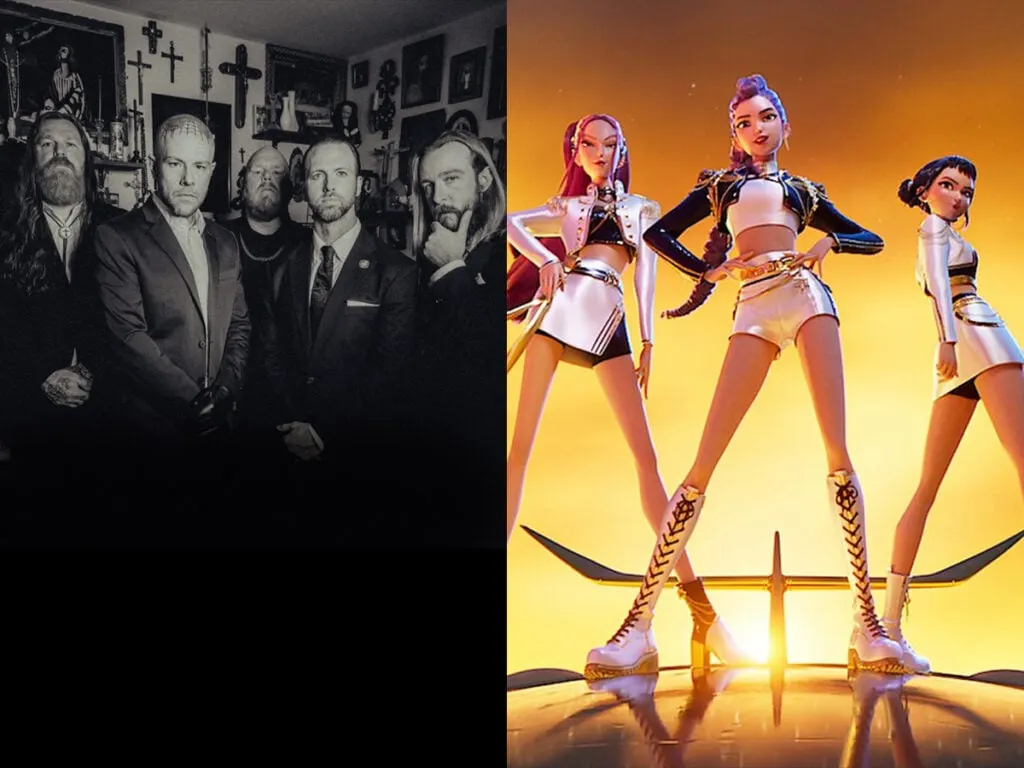
Christian metal band Demon Hunter has filed a trademark infringement and unfair competition lawsuit against Netflix, Netflix Studios and concert promoter AEG Presents over the animated film "KPop Demon Hunters". Filed on 18 August 2026 in the Central District of California through the band's corporation Hyde Lane, the suit argues that Netflix knowingly adopted a name confusingly similar to the band's established mark and that the film's runaway success, along with its soundtrack, merchandise and an accompanying world concert tour, has caused genuine consumer confusion and threatens the band's decades-built reputation.
Formed roughly 25 years ago and having released twelve studio albums, Demon Hunter describes itself as the "senior user" of the mark and says Netflix's 2025 film created "almost complete overlap" with its own goods and services within a year. The lawsuit cites the planned 150-city "KPop Demon Hunters" concert tour, set to launch in 2027 in partnership with AEG, as further evidence of encroachment, and seeks a court order barring the defendants from using the name for recorded music, live events and merchandise, alongside unspecified damages.
- Sources
- 2
- Outlets
- 2
- Left · Centre · Right
- 0 · 0 · 0
In short
- Demon Hunter sues Netflix and AEG over "KPop Demon Hunters" trademark.
- Band claims confusion with its 25-year-old established name.
- Seeks injunction and damages over film, merchandise and 2027 tour.
How this story developed
- 3 months ago Demon Hunter, the Christian metal band, filed a trademark infringement lawsuit against Netflix, Netflix Studios and AEG Presents on 18 August 2026 in the Central District of California, alleging that the "KPop Demon Hunters" film infringes on the name it has built over nearly 25 years and seeking an injunction plus damages.
Steelman: both sides, in good faith
The strongest fair case each way — we don't pick a winner.
The case for
Demon Hunter established their trademark 25 years ago with substantial commercial success across multiple products and services. The phrase in 'KPop Demon Hunters' is nearly identical to their established mark and creates genuine confusion in the marketplace, particularly given both entities now operate across recorded music, merchandise, and live events. The film's rapid success and Netflix's planned 150-city concert tour represent direct overlap with Demon Hunter's existing business model, making trademark dilution and consumer deception reasonable legal concerns.
The case against
The title 'KPop Demon Hunters' is clearly differentiated from 'Demon Hunter' by the prominent 'KPop' qualifier, which signals an entirely different product to consumers. An animated K-pop film addresses a fundamentally different market segment and audience from Christian metal music, making actual consumer confusion about source or sponsorship unlikely. Moreover, trademark protection should not extend to monopolising conceptual combinations like 'demon hunters' in different creative contexts; to do so would unreasonably restrict artistic expression and prevent others from using common, descriptive elements in their own works.
Explained simply
Christian metal band Demon Hunters formed in Seattle in 2000 and have used that name for their music, merchandise and live shows ever since. Netflix later released an animated film with a very similar title, which went on to become one of the platform's biggest hits and spawned a concert tour, including a K-Pop-themed spin-off show. The band say the overlap in naming has caused fans to confuse the two, sometimes at the expense of their own ticket sales.
The band has now filed a trademark lawsuit against Netflix in a federal court in California. They argue that Netflix and its partners have profited from a name recognition that rightfully belongs to them, and are seeking both financial damages and a court order stopping Netflix from using the name further.
The case matters because it sets a small, independent act against one of the world's largest entertainment companies over ownership of a name, raising broader questions about how trademark law applies when a major studio's branding collides with that of a much smaller, earlier user of a similar title.
Coverage · 2 sources
Read the full article at the source →
Originally published by Far Out as “‘K-Pop Demon Hunters’ sued by Christian metal band Demon Hunters amid fan confusion”.