Pixel 11 Pro review: Google AI as your enabler
Developed over time first seen 2 months ago
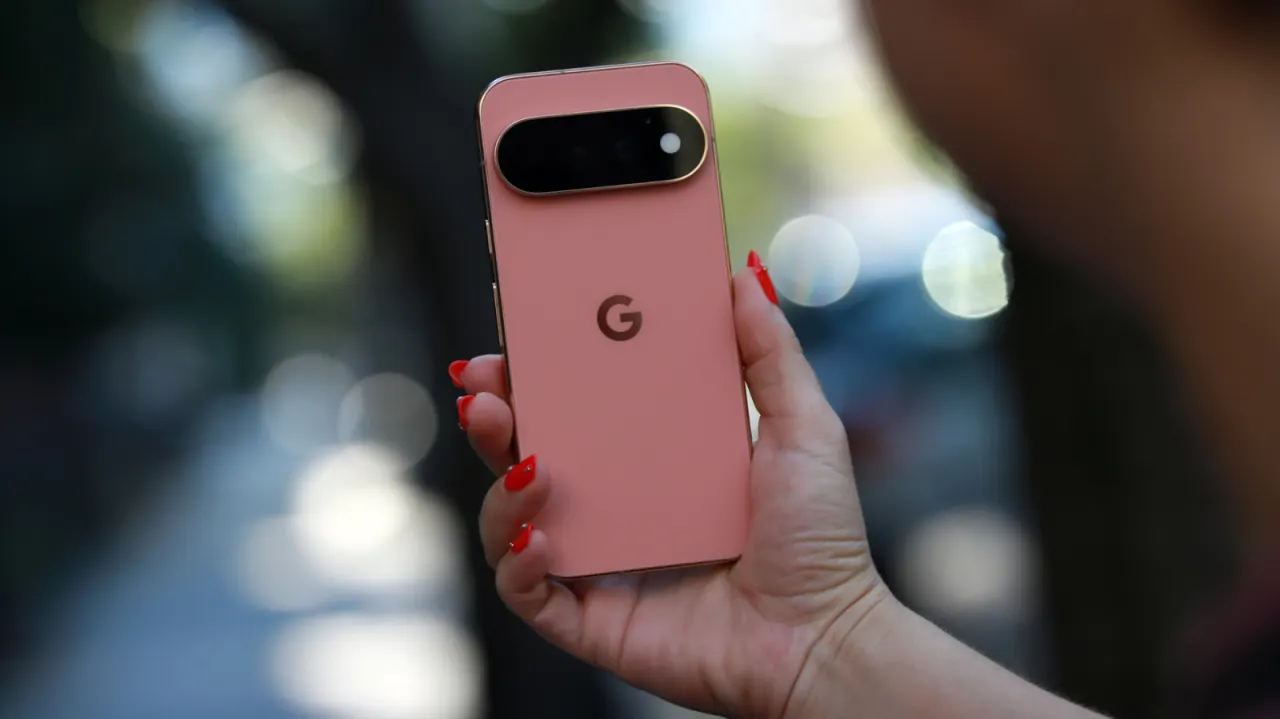
Engadget's review of Google's Pixel 11 Pro focuses on how heavily the phone leans on AI tools, such as the Rambler voice-dictation keyboard, to help users capture, edit and communicate more easily. Reviewer Cherlynn Low rates the device 9 out of 10, praising its build quality, display and camera features, but questions whether this growing reliance on AI assistance is fully justified given the phone's higher price and reduced RAM compared with its predecessor.
The Pixel 11 Pro costs $100 more than the Pixel 10 Pro and has less RAM, yet shares the same 6.3-inch Super Actua display, dimensions and resolution as its predecessor. The main visual differences are a redesigned edge-to-edge glass camera bar and a new "HiLight" LED ring around the flash, while the screen is around 300 nits brighter with a more scratch-resistant coating and the phone is marginally lighter at 7.2oz. Listed strengths include effective voice typing via Rambler and a fast Instant Night Sight mode, while the main drawbacks are the reduced RAM and higher cost, leaving the reviewer to conclude the handset is impressive but arguably over-reliant on AI enhancements this generation.
- Engadget rates the Pixel 11 Pro 9/10 despite AI-heavy design questions
- Costs $100 more than Pixel 10 Pro, has less RAM
- New AI tool Rambler enables hands-free voice dictation typing
New here? Start with this
Google's Pixel phones are its flagship Android devices, built to showcase Google's own software and AI features rather than just hardware. The Pixel 11 Pro is the newest high-end model in this line, succeeding last year's Pixel 10 Pro, and continues a trend of putting artificial intelligence tools at the centre of how the phone is used, from dictating text to editing photos and messages.
Tech reviewers, including outlets like Engadget, regularly assess new flagship phones on factors such as design, camera quality, performance and value for money. These reviews help shoppers decide whether a phone's price increase over its predecessor is justified by genuine improvements, or whether it mainly relies on software additions like AI assistants to stand out.
This matters because AI features are increasingly used by phone makers to differentiate new models even when the underlying hardware changes only slightly. The debate over whether such tools genuinely help users or become unnecessary and intrusive is a wider question facing the smartphone industry, not just this one device.