US ally on Putin’s doorstep braces for war as Russia tensions take ominous turn
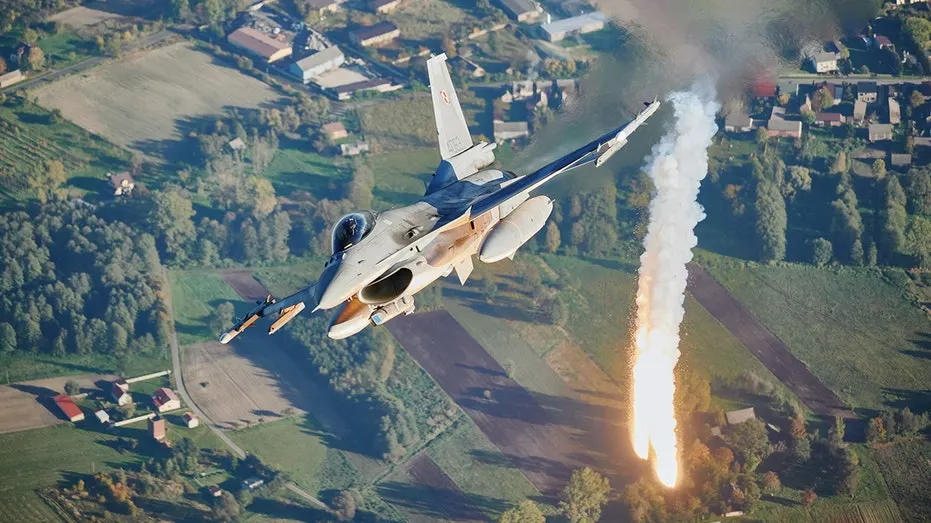
Poland's Deputy Defence Minister, Cezary Tomczyk, has said the country is actively preparing for the possibility of war with Russia, as tensions between Moscow and NATO show signs of escalating amid the ongoing conflict in Ukraine. The remarks come alongside a Russian warning of "consequences" against Britain, fuelling concern that Moscow could seek to test NATO's resolve directly rather than confining aggression to Ukraine.
Analysts, including former CIA station chief Dan Hoffman, have raised fears that Vladimir Putin could extend hybrid operations beyond the battlefield into European capitals, potentially including violations of Baltic airspace and threats aimed at the UK prime minister's office. Poland, which borders both Ukraine and the Russian exclave of Kaliningrad, is regarded as being on the front line of any wider confrontation, with officials stressing the need for stronger NATO unity and intelligence-sharing to deter further Russian aggression.
- Poland says it is actively preparing for possible war with Russia
- Russia has threatened "consequences" against Britain
- Experts warn of Russian hybrid warfare risks spreading across Europe
New here? Start with this
Poland is a member of NATO, the military alliance whose members agree to treat an armed attack on one as a matter for all. It borders Ukraine, where Russia has been fighting a full-scale war since 2022, and Russia’s exclave of Kaliningrad, giving it a key position in eastern Europe.
Russia is led by President Vladimir Putin, while NATO includes the United States, Britain and Poland. Tensions between Russia and NATO matter because an attack on a member could draw the wider alliance into a conflict; governments also watch for actions such as cyberattacks, disinformation or airspace violations that may be intended to pressure or unsettle them.
Both sides, in good faith
The strongest fair case each way — we don't pick a winner.
The case for
Advocates for Poland's military preparations emphasise that Russia's 2022 invasion of Ukraine has demolished the assumption that force cannot be used against European neighbours, making heightened vigilance and NATO reinforcement a responsible necessity. They argue that strong, coordinated defences and intelligence-sharing actually deter aggression by raising the costs of conflict, whereas appearing unprepared invites testing of NATO's commitment.
The case against
Those concerned about escalatory rhetoric contend that perpetual military readiness, public threat warnings, and expansions of NATO presence create a self-fulfilling prophecy in which each side's defensive measures convince the other of hostile intent. They suggest sustained diplomatic channels, arms control discussions, and efforts to reduce miscalculation would prove more stabilising than military mobilisation, which risks triggering the very conflict such preparations aim to prevent.