Army battalion in Georgia offering 4 days of GTA 6 play as reenlistment incentive
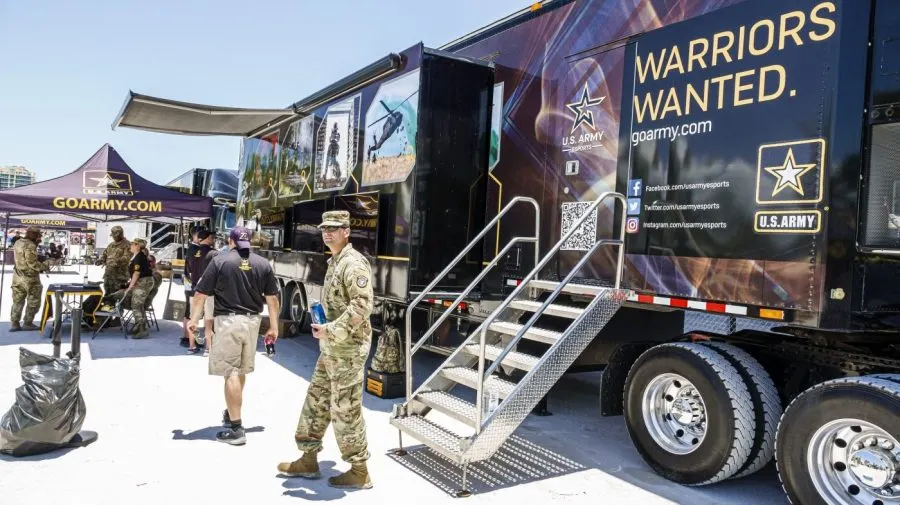
The 9th Brigade Engineer Battalion, 2nd Armored Brigade Combat Team, based in Georgia, has announced an unconventional reenlistment incentive: a four-day pass to play Grand Theft Auto VI for eligible soldiers who commit to staying in the military. The offer activates once the highly anticipated video game launches later this year, combining military retention goals with modern entertainment culture.
This incentive exemplifies a shift in how the military approaches recruitment and career continuation for younger service members. Rather than relying exclusively on traditional bonuses, the Army is incorporating elements of popular culture to make military service more appealing, recognising that digital gaming represents a significant leisure activity for contemporary enlisted personnel.
- Army battalion in Georgia offers four-day GTA 6 gaming pass to soldiers who reenlist
- Incentive begins when the game releases this fall, targeting soldier entertainment interests
- Reflects military adaptation of recruitment strategies to appeal to younger enlisted personnel
New here? Start with this
The 9th Brigade Engineer Battalion is part of the US Army’s 2nd Armored Brigade Combat Team, a unit based in Georgia. Reenlistment means a serving soldier agrees to remain in the military for an additional period.
The Army uses incentives to encourage soldiers to stay, including financial benefits and other offers. Grand Theft Auto VI is a forthcoming instalment in a popular video game series, and gaming is a common leisure activity for many younger adults.
Retention matters because keeping trained personnel helps the Army maintain its units and avoid the costs of replacing experienced soldiers. The reported offer links that goal with an activity soldiers may enjoy.
Both sides, in good faith
The strongest fair case each way — we don't pick a winner.
The case for
The military must attract and retain skilled personnel in a competitive environment, and effective incentives must resonate with what genuinely motivates contemporary soldiers. A four-day gaming pass is remarkably cost-effective compared to traditional monetary bonuses, demonstrates that leadership understands and respects what brings satisfaction to younger service members, and can meaningfully improve retention rates. This represents pragmatic modernisation of career incentives rather than a departure from military values.
The case against
Military service demands respect for institutional gravity and professional standards that distinguish it from civilian life, and official incentives should reinforce these values rather than blur them. Offering video game time as an authorised reenlistment incentive risks appearing frivolous to both the public and service members themselves, potentially undermining the seriousness essential to military leadership and operational discipline. Resources allocated to morale should prioritise opportunities that strengthen unit cohesion and professional development rather than subsidising entertainment consumption.