Poolease X1 Pool Robot Review: How Bad Can It Be?
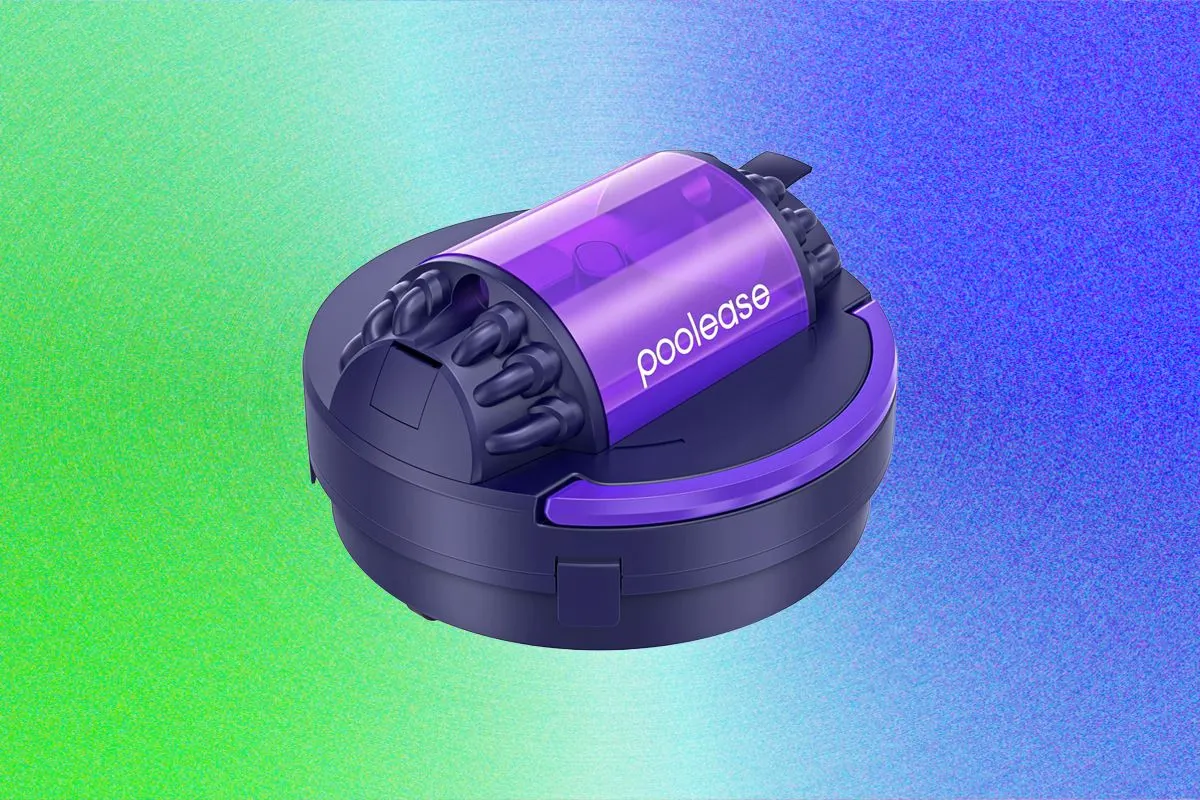
WIRED's review examines the Poolease X1, a budget robotic pool cleaner priced at around $110-$170, aimed at those unwilling to spend thousands on premium models. The reviewer, Christopher Null, awarded it a middling 5/10, finding it cheap and lightweight but let down by weak cleaning performance, particularly in larger pools, and a series of design flaws that undermine its low-cost appeal.
The 9-pound robot uses water jets rather than brushes or treads, sending it on a random zigzag path that only cleans pool floors, not walls, waterlines or steps, and it lacks any wireless or app features. Debris collects inside the split-open chassis rather than a dedicated basket, requiring users to unclip and hose it down after use, while the awkwardly placed charging port on the underside risks scratching the paintwork. Although Poolease claims coverage of 861 square feet, roughly a 30×30-foot pool, the reviewer found its actual cleaning ability underwhelming even in a smaller pool, and the device also requires some assembly out of the box.
- WIRED reviews the budget Poolease X1 robotic pool cleaner, scoring it 5/10.
- Cheap and lightweight, but cleans floors only, not walls.
- Awkward charging port, basic build, and mediocre performance overall.
New here? Start with this
Robotic pool cleaners move around underwater to collect dirt and leaves, reducing the need to clean a pool by hand. Models range from basic floor cleaners to more expensive machines that can climb walls and offer app controls.
The Poolease X1 is a low-cost, lightweight cleaner made by Poolease. It uses water jets to move across the pool floor, and its design means owners must open the body and rinse out collected debris after each use.
The main question for buyers is whether the lower price makes up for limited cleaning and extra upkeep. Its claimed pool coverage may also matter less if it struggles to clean effectively in practice.
Both sides, in good faith
The strongest fair case each way — we don't pick a winner.
The case for
Budget products exist in a different market context where cost-conscious consumers weigh trade-offs differently; for households unable to afford premium pool cleaners, even limited automation at $110–$170 might provide genuine value compared to alternatives. A review should acknowledge this value proposition rather than rate the product primarily against premium standards, ensuring budget consumers understand whether a product serves their actual needs and constraints.
The case against
Consumers deserve clear information about whether a product performs its basic function, regardless of price point. When this robot fails to achieve even smaller-pool effectiveness and features poor engineering choices, reporting these limitations fairly—not dismissing them as acceptable for the price—protects budget-conscious shoppers from wasting limited funds on non-functional products that don't deliver on their core purpose.