Silent Hill: Townfall’s latest gameplay trailer reminds me why the series shouldn’t have guns
Developed over time first seen 2 months ago
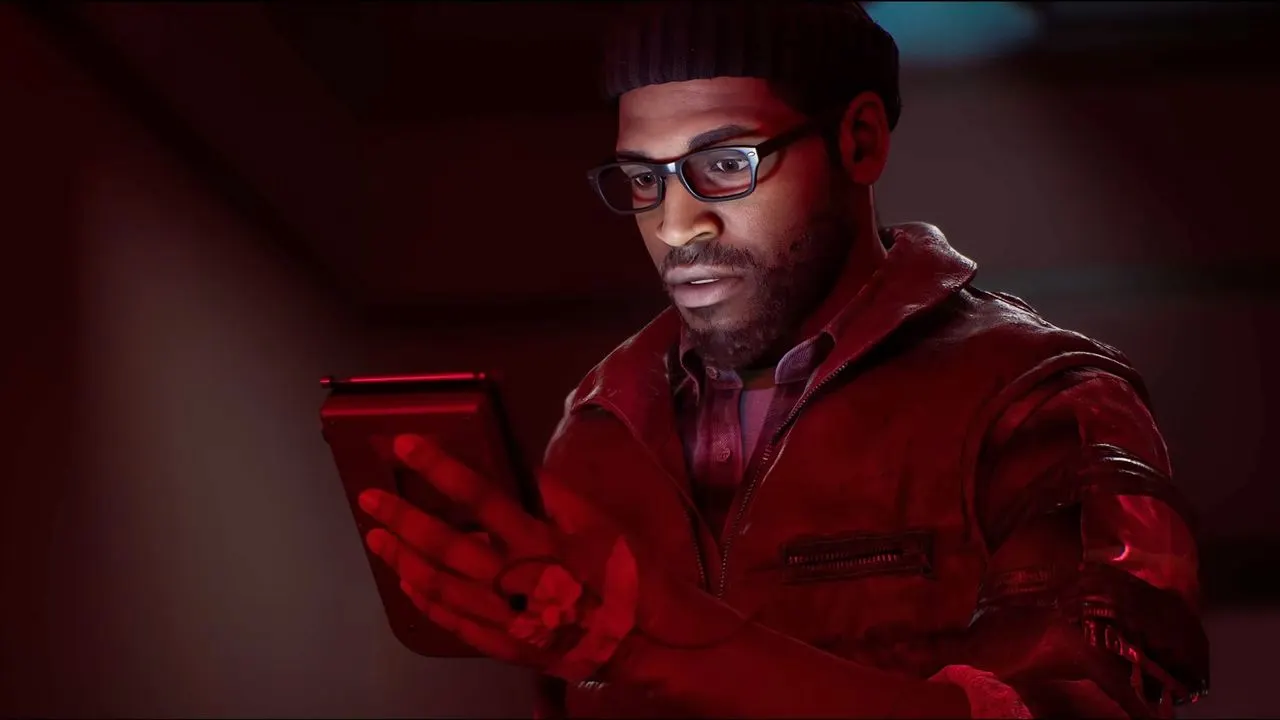
PC Gamer has published impressions of a new gameplay trailer for Silent Hill: Townfall, the upcoming instalment in the horror franchise, focusing on the inclusion of firearms in combat. The writer argues that giving players guns undermines the vulnerability and tension that has traditionally defined Silent Hill, a series historically built around unsettling atmosphere and limited means of self-defence rather than empowered combat.
The piece contends that earlier Silent Hill titles worked best when players felt fragile and under-equipped, forcing them to rely on evasion and dread rather than confrontation, and that armed combat risks shifting Townfall's tone closer to conventional action-horror. The article is an opinion-led reaction to trailer footage rather than a report of new release details, though it reflects ongoing anticipation and scrutiny ahead of the game's launch.
- New Silent Hill: Townfall trailer shows gunplay in combat.
- Writer argues guns undercut the series' trademark vulnerability and dread.
- Piece is opinion, reacting to trailer footage ahead of release.
New here? Start with this
Silent Hill: Townfall is an upcoming survival-horror video game in the long-running Silent Hill series, known for its unsettling atmosphere, psychological themes and reliance on tension rather than action. Developed with involvement from Annapurna Interactive and Japanese studio Konami, which owns the franchise, the game has been previewed through periodic trailers ahead of its release. Fans and critics have been watching these previews closely to see whether the new instalment stays true to the series' slower, dread-focused style.
A recurring debate around survival-horror games concerns how much combat, and what kind, should feature in them. Traditionally, Silent Hill has leaned on limited, clumsy weapons and a sense of vulnerability to build fear, in contrast to action-oriented horror games that give players guns and let them fight back more confidently. How Townfall handles combat is seen as a signal of whether it will honour that tradition or shift toward a more conventional shooting-focused experience.
This matters to followers of the series because Silent Hill has a devoted fanbase that closely associates its identity with atmosphere and helplessness rather than firepower. Gameplay trailers like this one are a key way for the developers to demonstrate their design choices before launch, and reactions to them shape early expectations and discussion about whether the game will live up to the franchise's reputation.
Both sides, in good faith
The strongest fair case each way — we don't pick a winner.
The case for
Those who share the article's view argue that Silent Hill's power lies in vulnerability: stripping players of reliable, effective firepower forces them to rely on evasion, resource management and dread rather than combat mastery, which is what distinguishes survival horror from action games. They contend that guns, especially if plentiful or precise, quickly turn tense encounters into shootouts, eroding the sense of helplessness that made earlier entries in the series memorable, and that a horror game's atmosphere is best served by keeping players under-equipped and afraid.
The case against
Others make a reasonable case that firearms are not inherently at odds with horror and can be implemented in ways that preserve tension, such as scarce ammunition, unreliable accuracy or weapons that attract more danger than they resolve. They point out that many celebrated survival horror titles, including earlier Silent Hill games themselves, have included guns without losing their sense of dread, and that excluding them entirely risks limiting gameplay variety, player agency and accessibility for those who find melee-only combat frustrating or repetitive.