AI firefighting drones take aim at wildfires
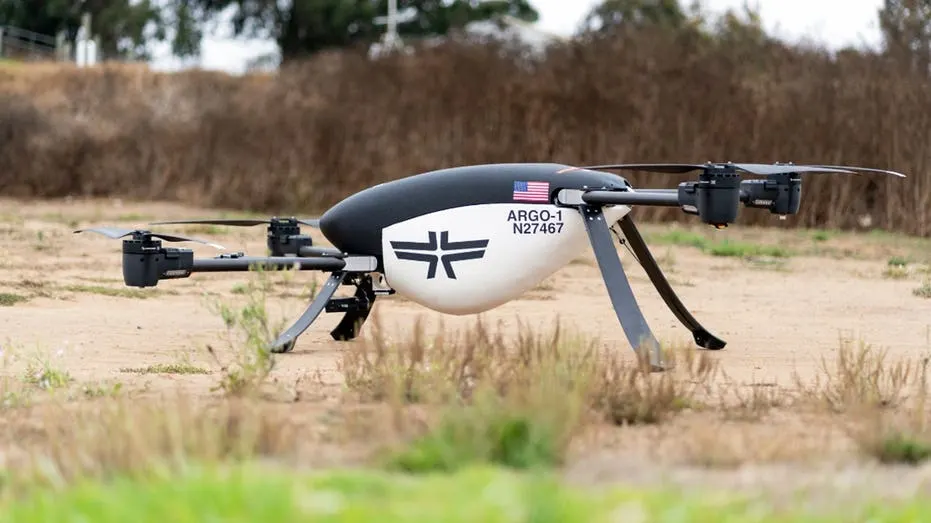
Fire agencies in the United States are testing AI-powered drones designed to detect and suppress wildfires before they can spread, aiming to close the gap between a small ignition and firefighters arriving on scene. CAL FIRE has trialled autonomous suppression drones developed by Seneca in California, while separate teams competing in the $11 million XPRIZE Wildfire competition tested rival autonomous systems in remote Alaskan terrain. The push reflects growing concern about wildfire severity, as officials look to technology that can respond to fires while they are still small and more manageable.
The urgency behind these trials stems from worsening wildfire conditions across the western United States, with NOAA attributing part of the increase in fire size and intensity to human-caused warming, and researchers linking rising temperatures to longer wildfire seasons. The tests come amid a separate strain on traditional firefighting resources, with emergency calls to fire services reportedly tripling and staffing described as being at crisis levels. Developers hope autonomous drones could eventually be deployed to remote or hard-to-reach areas to identify and douse fires before they require large-scale human intervention.
- CAL FIRE and XPRIZE teams are trialling AI drones for early wildfire suppression
- Goal is catching fires while small, before firefighters can reach them
- Comes as warming worsens wildfires and firefighter shortages strain response capacity
New here? Start with this
Wildfires can grow quickly after a small ignition, especially in hot, dry conditions, and may be difficult for crews to reach in remote areas. In the western United States, researchers have linked rising temperatures to longer fire seasons, while human-caused warming has contributed to larger and more intense fires.
CAL FIRE is California’s state fire agency; it has trialled suppression drones made by Seneca. Other teams have tested competing autonomous systems in Alaska as part of the XPRIZE Wildfire competition, which offers a prize for wildfire technology. The systems are designed to find fires and release suppressant with limited human control.
The trials matter because early detection and response could help stop some fires spreading before crews arrive. Fire services also face pressure from rising emergency calls and staffing shortages, though the drones’ ability to help at scale remains to be established.
Both sides, in good faith
The strongest fair case each way — we don't pick a winner.
The case for
Wildfires are worsening rapidly due to climate change, traditional firefighting resources are at crisis levels, and early suppression of small fires is critical to preventing catastrophic blazes. Autonomous drones that can detect and suppress ignitions in remote areas before human crews arrive offer genuine tactical advantage—they could save lives, protect communities, and reduce the enormous economic and environmental costs of large fires. Deploying this technology alongside human firefighting represents a pragmatic response to an escalating crisis.
The case against
These drones remain largely unproven in complex, dangerous, and unpredictable wildfire environments, raising legitimate concerns about reliability and safety in operational conditions. Rather than investing in technological solutions of uncertain efficacy, resources should address root causes through climate mitigation and land management, and urgently bolster traditional firefighting services facing severe staffing shortages. Autonomous drones risk creating false confidence in technology whilst diverting attention and funding from the systemic changes and human infrastructure actually needed to manage wildfire risk responsibly.