World news and discussion on TalkFuse.
‘Skyrim’ Mod Makers Wage War Over Competing Ambitious Graphics Mods
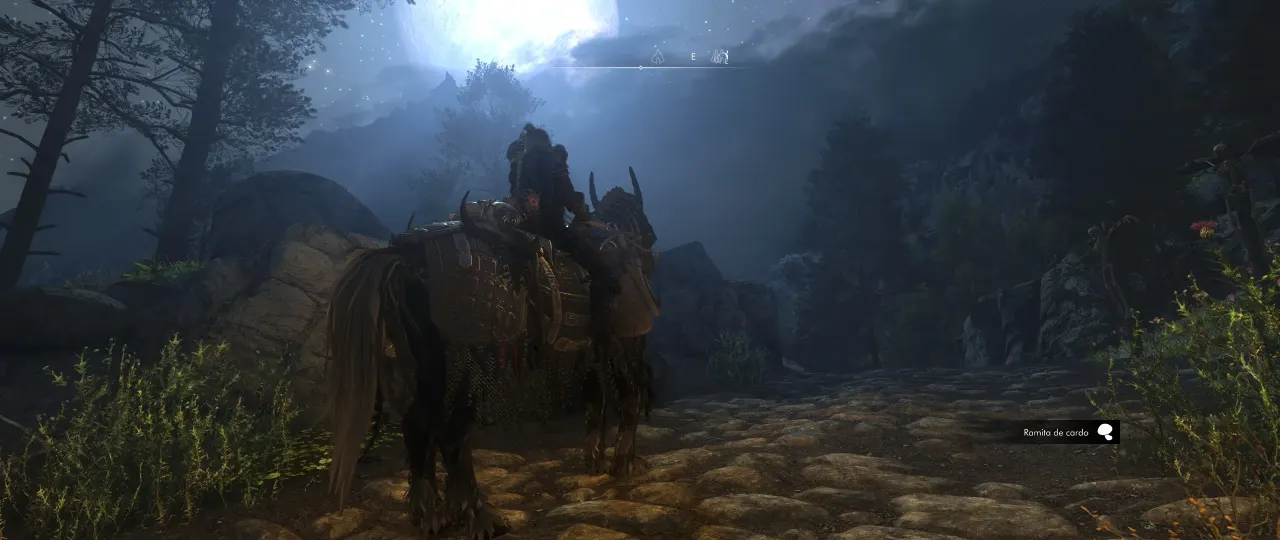
A newly upgraded Skyrim graphics mod called Community Shaders has thrown the game's modding community into turmoil after Boris Vorontsov, creator of the long-dominant rival mod ENB, filed a DMCA takedown notice against it. The dispute matters because ENB has been the benchmark for high-end Skyrim visual overhauls for years, but its demanding hardware requirements and Vorontsov's reputation as a divisive figure had left many players seeking an alternative. Community Shaders' August update finally offered comparable results to popular ENB presets while running on more modest hardware, making it hugely popular but also triggering an escalating legal and community conflict.
Vorontsov's DMCA notice, shared publicly by Community Shaders developer Doodlum, accuses the project of using Patreon to fund and distribute software that infringes ENB's copyright, backed by a screenshot suggesting the code was reverse-engineered without permission. His claim relies on a licence he added to ENB only days after the disputed Community Shaders update went live, and he has also cited harassment he has received as a motivating factor. Patreon has warned it could ban the Community Shaders campaign, which currently earns just over $500 a month, if another notice is filed, and the developers say they now need legal counsel, prompting them to seek donations while the wider Skyrim modding community rallies behind them.
In short
- New mod Community Shaders now rivals ENB's graphics without needing controversial creator's tool
- ENB developer Boris Vorontsov filed a DMCA takedown against Community Shaders
- Patreon threatened a ban; Community Shaders devs are raising funds for legal defence
Steelman: both sides, in good faith
The strongest fair case each way — we don't pick a winner.
The case for
Vorontsov invested years developing ENB into the industry standard for Skyrim graphics enhancements, and his intellectual property deserves legal protection from reverse-engineering and unauthorised commercial distribution. A DMCA notice represents an appropriate mechanism when evidence suggests his code was copied without permission, and developers reasonably expect control over works they created and continue to maintain. Allowing others to profit from reverse-engineered versions undermines the investment that drives quality tool development.
The case against
The licensing restriction was added only after Community Shaders achieved commercial viability, suggesting this represents anti-competitive suppression rather than genuine copyright protection of pre-existing work. Comparable visual output does not establish code copying—different programming approaches routinely achieve identical graphics results—and the accusation lacks transparent technical evidence beyond a disputed screenshot. The modding community has historically flourished through iteration and shared knowledge; expansive copyright claims risk stifling collaborative innovation whilst creating barriers for players unable to afford ENB's intensive hardware requirements.
Explained simply
Skyrim is an open-world role-playing game whose players can add community-made modifications, or “mods”, to change how it looks and plays. Graphics mods can replace or enhance lighting, shadows and other visual effects, and some players combine them with presets made by other users.
For years, ENB, created by Boris Vorontsov, has been a prominent tool for improving Skyrim’s graphics, though it can require powerful hardware. Community Shaders is a separate project developed by volunteers, including Doodlum, and aims to offer similar visual effects with less strain on computers.
The dispute centres on whether Community Shaders uses material protected by ENB’s copyright and what its developers may distribute or fund through Patreon. It matters because the outcome could affect the developers, the platform hosting their campaign and players who rely on either graphics tool.