World news and discussion on TalkFuse.
Final Fantasy Crystal Chronicles composer Kumi Tanioka says that she didn’t make the new, very likely AI-generated album on her Spotify page
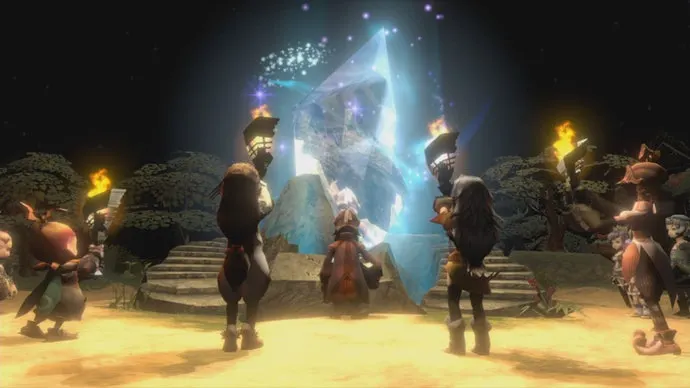
Kumi Tanioka, the composer behind Final Fantasy Crystal Chronicles and other game soundtracks, has said an album appearing on her Spotify profile is not her work and appears to be AI-generated. The record, titled "A Village Built on Wind", was listed under her name on streaming services, leaving her uncertain whether it was created using AI or simply misattributed to someone sharing her name. The incident highlights ongoing problems with streaming platforms failing to verify artist identities, an issue that predates AI but has been exacerbated by it.
Tanioka raised the issue on social media, saying she had not made the album and asking listeners to enjoy it as someone else's work. Digital Sonic Design, a company that has published some of her music, confirmed no copyright infringement had occurred and suggested the mix-up could involve another person of the same name, though YouTube Music has specifically labelled the tracks as AI-generated. The mislabelling underscores criticism that Spotify has been slow to address artist-profile mix-ups, a longstanding issue now complicated by the rise of AI-generated music.
In short
- Composer Kumi Tanioka disowns an AI-generated album on her Spotify page
- Album "A Village Built on Wind" wrongly listed under her artist profile
- Publisher says no copyright breach, but YouTube Music flags tracks as AI-made
Steelman: both sides, in good faith
The strongest fair case each way — we don't pick a winner.
The case for
Artists spend years building reputations; AI-generated music falsely credited to them directly harms that identity and misleads audiences. Platforms like Spotify have the technical and financial resources to strengthen identity verification systems, yet this problem persists repeatedly, suggesting insufficient prioritisation. Without stronger protections, artists' professional identities become vulnerable to appropriation that damages their career and brand.
The case against
Implementing comprehensive pre-upload identity verification would create friction that could exclude emerging and independent artists, particularly in under-resourced regions. Most platforms already provide mechanisms for artists to claim and verify profiles; improving these tools rather than restricting uploads is a more practical solution. Distinguishing between malicious misattribution and legitimate content from people sharing the same name requires nuance that upstream gatekeeping cannot provide.
Explained simply
Kumi Tanioka is a Japanese composer known for music in video games, including Final Fantasy Crystal Chronicles. Her work is released under her name on music streaming services such as Spotify, where artist profiles collect tracks credited to each musician.
Streaming services can sometimes assign music to the wrong artist, including when musicians share a name. AI tools have also made it easier to produce music, adding questions about who made a track and how it should be labelled.
These mix-ups matter because listeners may mistake another person’s work for an established composer’s, while artists can have difficulty correcting their profiles. Platforms’ systems for checking artist identities and music credits are central to preventing and resolving such cases.
Americas Entertainment Gaming Music