Entertainment news and discussion on TalkFuse.
5 Classic Nintendo Games that Are Completely Unplayable Today
This Polygon feature highlights classic Nintendo games that are effectively unplayable today because they've never been re-released on modern platforms or preservation services like Nintendo Switch Online. The author argues that despite Nintendo's improved efforts at preserving its back catalogue, significant gaps remain, and these titles are worth revisiting not necessarily because they're good, but because of what they reveal about the company's history and evolving approach to its franchises.
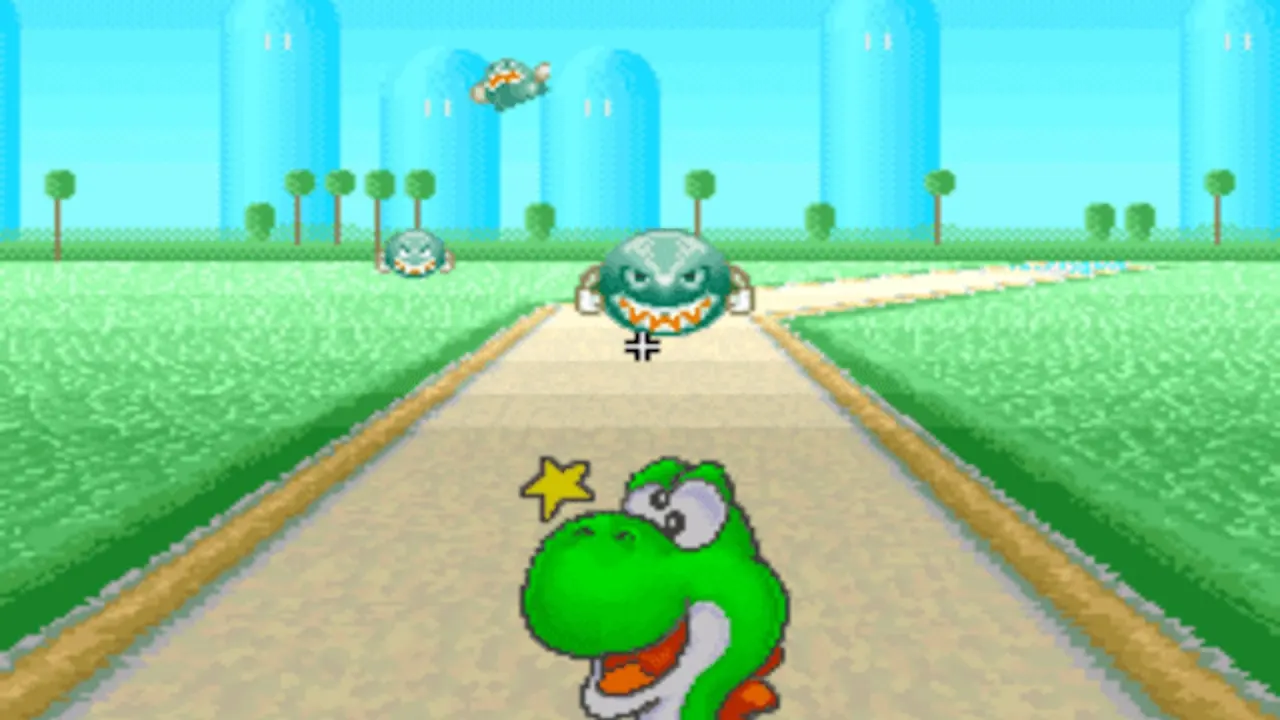
Among the games discussed are "Mario is Missing" (1993), an edutainment title where Luigi searches for Mario across real-world locations to teach geography and history; "Yoshi's Safari" (1993), a light-gun shooter praised for its visuals and for giving Mario a gun; and "Super Smash Bros. Melee" (2001), noted for its elaborate single-player campaign mode featuring bosses like Master Hand and Giga Bowser. The piece frames these as reminders of a less tightly controlled era of Nintendo game design, arguing they deserve preservation alongside the polished, "prestige" image the company now cultivates for franchises like Mario and Zelda.
In short
- Polygon lists classic Nintendo games unavailable on modern platforms.
- Includes "Mario is Missing," "Yoshi's Safari" and "Smash Bros. Melee."
- Argues these titles deserve preservation despite being flawed or niche.
Steelman: both sides, in good faith
The strongest fair case each way — we don't pick a winner.
The case for
Nintendo's classic games, including experimental and lesser-known titles, deserve preservation because they represent crucial cultural history and reveal how interactive media and game design have evolved. These games have inherent historical value regardless of commercial success, and allowing them to disappear entirely means losing irreplaceable records of the industry's development. Preserving them honours the creative work invested and enables future generations to study and appreciate gaming's heritage authentically.
The case against
Nintendo's preservation efforts should prioritise games with genuine cultural or commercial impact, given finite resources for emulation, testing and licensing. Some titles were commercial or critical failures, and dedicating effort to every experimental work from decades past dilutes focus from the games audiences actively seek and that represent Nintendo's actual legacy. Nintendo has already improved preservation significantly, and comprehensive cataloguing of every 1990s experiment, however historically interesting, may not represent the most effective use of resources.
Explained simply
Nintendo has released games across several generations of consoles, but its older catalogue is not all available on newer systems. Nintendo Switch Online offers selected retro games, while other titles have not had a modern re-release.
The games in question include Mario is Missing, an educational game about Luigi travelling to real-world locations, and Yoshi’s Safari, which used a light-gun accessory. Super Smash Bros. Melee, a 2001 fighting game, is also known for its substantial single-player mode.
These games show how Nintendo experimented with its characters and genres over time. Their absence from modern platforms raises questions about how the company’s history is preserved and which parts of its back catalogue remain accessible.