Riot to cease 2XKO development in December 2026
Developed over time first seen 2 months ago
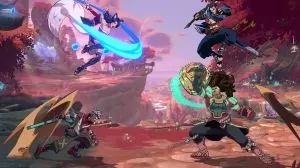
Riot Games has confirmed it will end active development of 2XKO, its League of Legends-based tag team fighting game, from December 2026, though servers will stay online and offline play will continue for now. The studio said too few players had stuck with the game long enough to make continued investment sustainable, despite a dedicated core community, making it one of the games industry's more notable setbacks of the year and a follow-on from a workforce reduction on the title back in February.
A final content patch arrives in October, adding champions Lux and Samira, with a last bug-fix update following in December. Riot will refund all in-game purchases made before 20 August, disable KO Points purchases, sell a nearly complete cosmetics bundle for $39.99, unlock most gameplay content and champions for free, and strip out systems such as Battle Passes, seasons, events and ranked lobbies to consolidate the remaining player base. The competitive 2XKO Series will run through to a final event in November 2026, after which Riot's organised support ends, though tournament organisers can keep running community events from 2027 onwards.
- Riot ends active 2XKO development from December 2026.
- Servers and offline play continue; ranked and battle passes removed.
- Final competitive event set for November 2026.
New here? Start with this
Riot Games' 2XKO is a free-to-play tag-team fighting game built around characters from League of Legends, its enormously popular online battle game. Riot has been developing 2XKO for several years as part of a wider push to turn League's universe into a range of different games, alongside efforts such as an animated series and other spin-offs.
Riot has now confirmed it will stop actively developing 2XKO from December 2026, having found that not enough players were staying with the game long term to justify further investment. This matters because it is one of the more high-profile examples this year of a major studio pulling back from a game that had a dedicated fanbase but struggled to grow, raising questions about the wider financial pressures facing the games industry and what happens to competitive titles once their developers step away.
Both sides, in good faith
The strongest fair case each way — we don't pick a winner.
The case for
Supporters of Riot's decision would argue this is a responsible, clear-eyed business call: when a genre as competitive as fighting games fails to retain enough long-term players to sustain ongoing investment, continuing to pour resources into it becomes unsustainable and unfair to shareholders and to other titles that could better use those resources. They would point to the manner of the wind-down as evidence of good faith – servers staying online, offline play preserved, all pre-cutoff purchases refunded, most content unlocked for free, and a competitive season allowed to finish – as a considerate, player-respecting way to end a project rather than an abrupt shutdown. On this view, cutting losses early while still honouring the existing community is preferable to dragging out a title that isn't finding its audience.
The case against
Critics, including sympathetic members of the fighting game community, would argue this reflects a broader and troubling industry pattern of publishers launching ambitious live-service games, generating excitement and investment from dedicated players, then withdrawing support within a couple of years once growth targets aren't hit. They would note that the enthusiastic core community Riot itself acknowledges is being let down: ranked play, seasons and Battle Passes are being dismantled, and organised competitive support ends after November 2026, effectively closing off the game's future as a serious esport regardless of how loyal its remaining players are. For this side, the refunds and cosmetic unlocks are welcome but do not offset the loss of a title players invested time and identity into, nor the wider concern that publishers are too quick to abandon niche genres like fighting games when they don't match the scale of their flagship products.
More coverage
Entertainment Gaming Software Technology
Read the full article at the source →
Originally published by GameSpot as “2XKO Is Ending Active Development Very Soon”.