Mortal Shell 2’s first balance patch makes its in-game economy a lot more lenient and nerfs some enemies and bosses for a smoother ride
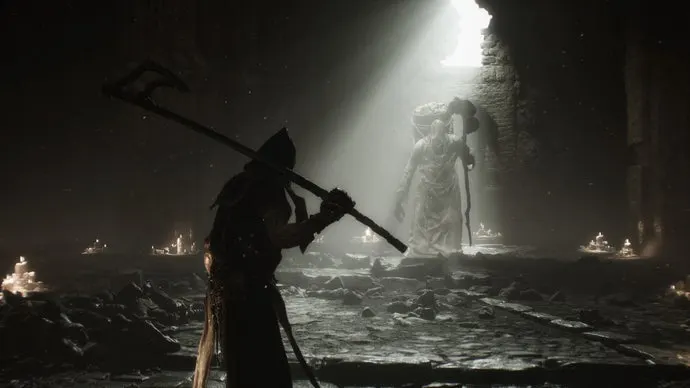
Mortal Shell 2 developer Cold Symmetry has released the Soulslike's first balance patch on the day of launch, easing the in-game economy and toning down some enemies and bosses for a gentler experience. The update responds to early player feedback, adjusting resource costs and drop rates so progression feels less punishing without overhauling the core game, which has generally been well received since release.
Key changes include shell map locations now costing gloom (with previously spent glimpses refunded via the Shell Keeper's alcove in Blackmarrow), and enemies dropping significantly more gold, with those in Mammon dropping double the previous amount. Smelting weapons at the Tarforge now costs 75% less gloom, addressing complaints that switching weapons required excessive grinding. Enemy and boss HP has also been reverted to beta levels, barring one exception, alongside weapon and tarstone buffs, a new ability to guard while walking, and various bug and performance fixes.
- Mortal Shell 2 gets its first post-launch balance patch.
- Gold drops rise sharply and weapon smelting costs 75% less gloom.
- Enemy and boss HP mostly reverted to easier beta levels.
New here? Start with this
Mortal Shell 2 is an action role-playing game in which players fight enemies, explore dangerous areas and improve their character and weapons. Cold Symmetry is the studio that makes the game. Like other “Soulslike” games, it is known for challenging combat and careful resource management.
The game uses resources such as gloom, glimpses, gold and tar to unlock map locations and upgrade or change weapons. These costs, and the amount of resources enemies drop, can affect how much players need to explore or fight before they can progress. Enemy and boss strength also shapes how demanding each area feels.
Balance updates adjust these systems after a game is released. They can change the challenge and pace of progression while leaving the game’s basic design intact.
Both sides, in good faith
The strongest fair case each way — we don't pick a winner.
The case for
Responsive design that removes unnecessary friction improves the game without compromising its core identity. By addressing the grinding required to experiment with weapons and rebalancing the economy, Cold Symmetry has preserved the challenge and skill-testing that define the Soulslike whilst eliminating tedium that doesn't serve the experience. Listening to launch feedback demonstrates professional development practice that expands the game's accessibility without trivialising it.
The case against
Day-one nerfs suggest insufficient playtesting and undermine the designers' deliberate artistic choices about difficulty and progression. When developers immediately soften their vision based on initial complaints, they train players to expect capitulation rather than adaptation, and may dilute what made the game distinctive. The vocal players requesting changes may not represent the broader audience who find satisfaction in overcoming intended challenges.