Entertainment news and discussion on TalkFuse.
Sacramento’s Mad Legislative Dash To Fix Tax Credits SNAFU, Get Post-Production Incentive Passed, Or Not
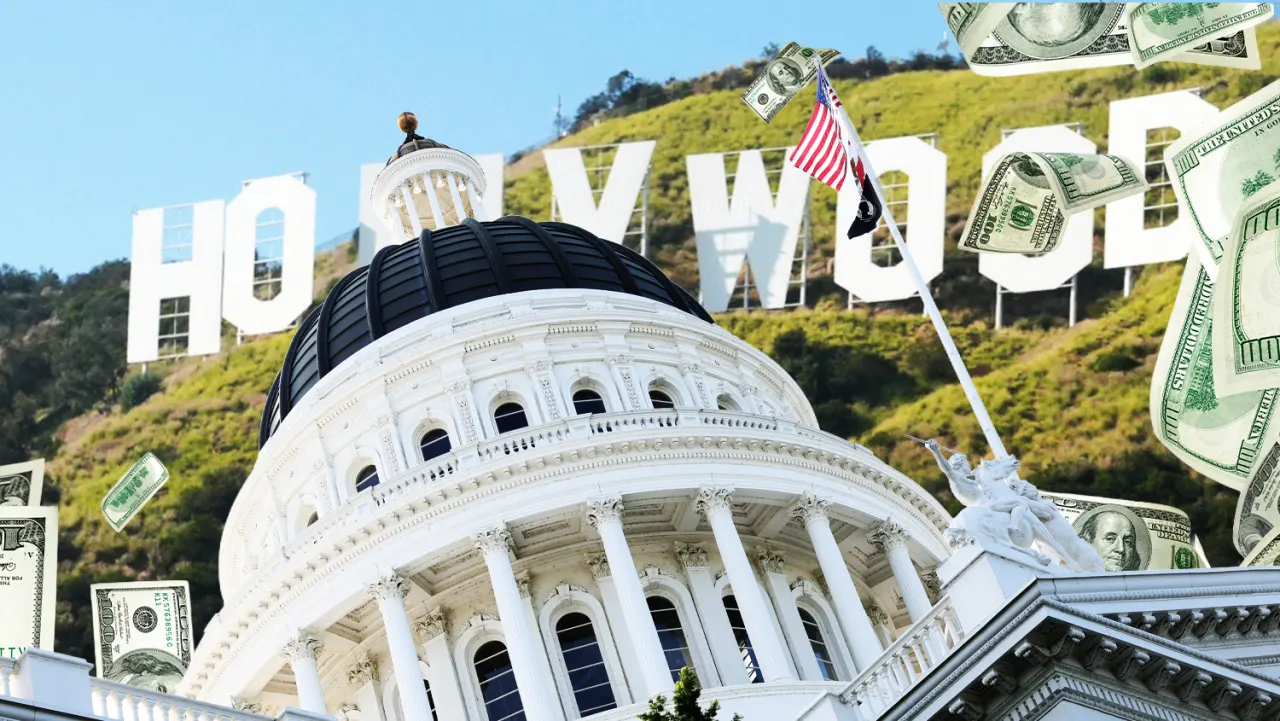
California lawmakers are racing against an 31 August deadline to fix flaws in a newly signed law, SB 122, that caps state business and corporate tax credits above $5 million, threatening the state's film and TV incentive scheme. The issue matters because studios and independent producers fear it could effectively strip away roughly $750 million a year in industry incentives by 2030, deepening a production downturn that has already cost Los Angeles an estimated 50,000 film and TV jobs over the past four years.
A compromise deal was reportedly agreed on Thursday morning to exempt independent productions and some studio/streamer projects, but it collapsed hours later when legislative leadership told Assemblymember Rick Chavez Zbur's office they were pursuing a "different approach," reportedly after signals from Governor Gavin Newsom's team that they disliked the proposal. It remains unclear whether the new fix will take the form of a trailer bill, a policy carve-out, or something else, and Newsom's office declined to comment. Zbur, whose district covers Glendale to Santa Monica, says he remains optimistic a solution can be reached with the Governor, legislative leadership and the Senate before the session ends, even as the wider industry faces further pressure from a possible Paramount-Warner Bros Discovery merger and an ongoing antitrust dispute involving California's Attorney General.
In short
- California legislators scrambling to fix a botched film tax credit law before 31 August.
- A negotiated fix collapsed after Newsom's team objected to the proposal.
- At stake: $750m in annual incentives amid heavy L.A. industry job losses.
Steelman: both sides, in good faith
The strongest fair case each way — we don't pick a winner.
The case for
California's film and television sector is a cornerstone industry generating substantial employment, tax revenue, and global cultural prestige. The $750 million in incentives leverage far greater economic activity and tax returns through supply chains of crew, equipment vendors, and supporting businesses. With 50,000 jobs already lost in Los Angeles and competitors actively offering similar incentives, withdrawing California's support would be economically self-defeating, allowing productive industries and middle-class employment to migrate elsewhere permanently.
The case against
California's severe budget pressures require that public resources serve all citizens rather than subsidise profitable corporations. The $750 million in foregone tax revenue represents money that could support education, healthcare, and infrastructure affecting millions of Californians. Film industry incentives constitute corporate welfare that other sectors do not receive; if entertainment companies cannot operate profitably without special tax breaks, these resources should be directed to essential services rather than negotiated away to politically connected industries.
Explained simply
California offers tax credits to encourage film and television productions to work in the state. A new law, SB 122, limits business tax credits above $5 million, and the wording may also affect the credits used by the film and television incentive scheme.
The scheme is available to productions that meet state rules, including independent films and projects made by major studios or streaming services. Lawmakers, Governor Gavin Newsom and Assemblymember Rick Chavez Zbur are among those involved in deciding how the law applies; Zbur represents a district that includes parts of Los Angeles County.
The credits matter to producers choosing where to make films and programmes, and to workers and businesses that rely on production work. California’s film and television industry has faced a decline in activity, while changes in where productions are made can affect jobs and local spending.