World news and discussion on TalkFuse.
Sheffield policies risk deterring city centre shoppers
Developed over time first seen 3 months ago
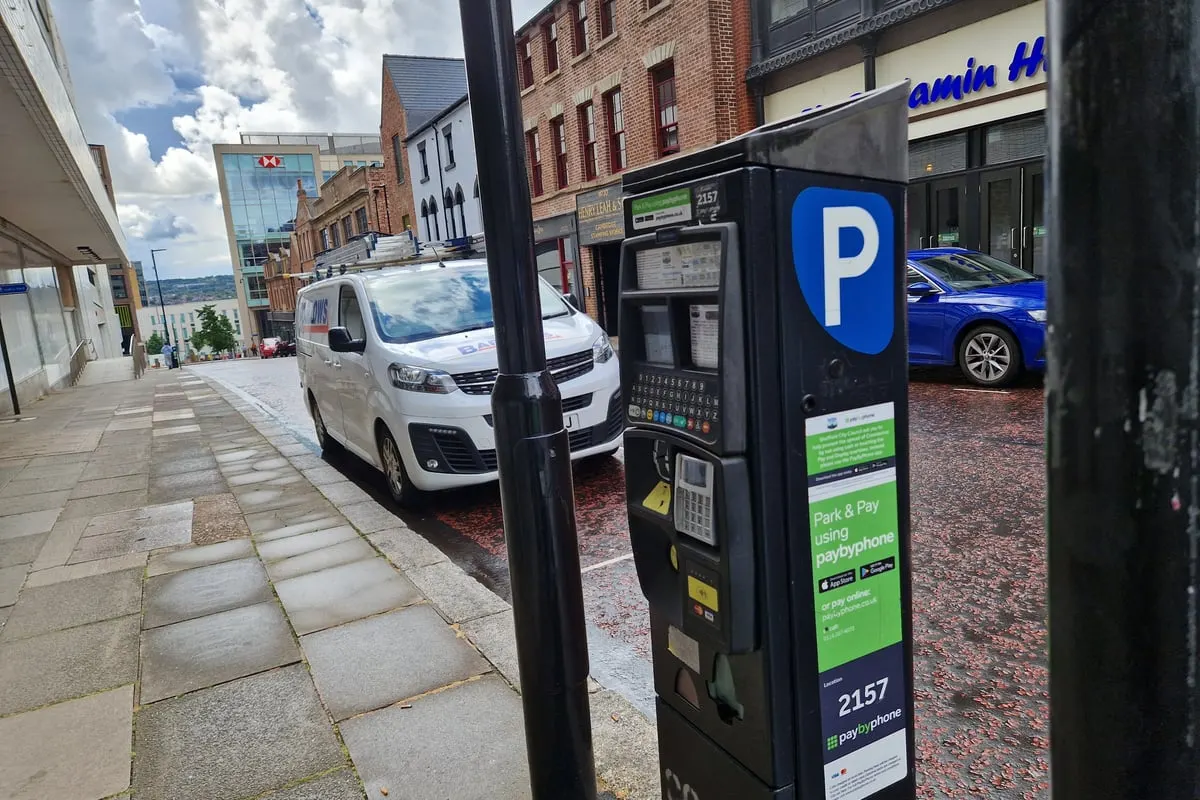
Sheffield city centre's retail sector has shrunk considerably in recent years, with established department stores closing and giving way to discount retailers and smaller specialty shops. A comment piece in The Star argues that council policy has compounded this decline by making the centre harder to reach, and questions how much further such measures can go before they actively deter, rather than merely inconvenience, shoppers and visitors.
The piece points to rising parking charges alongside a shrinking supply of spaces, new bus gates that carry £70 penalties for drivers entering them by mistake, and reorganised bus routes that in some cases no longer serve the main shopping streets directly. It contrasts this with out-of-town competitors such as Meadowhall, which continues to attract shoppers through free parking and easier car access, and cites anecdotal accounts from residents and visitors describing the city centre as increasingly inconvenient to reach.
- Sources
- 2
- Outlets
- 2
- Left · Centre · Right
- 0 · 0 · 0
In short
- Comment piece says Sheffield's access policies are deterring city centre shoppers
- Parking costs up, spaces down; new bus gates carry £70 fines
- Meadowhall's free parking cited as an easier alternative for shoppers
How this story developed
- 3 months ago Further reporting reinforced the same picture, framing these overlapping costs and restrictions as a cumulative deterrent that local observers warned would keep driving shoppers towards out-of-town destinations unless the council fundamentally rethought its approach.
- 3 months ago A comment piece in The Star argued that Sheffield council policy, through rising parking charges, fewer spaces, £70 bus gate fines and reorganised bus routes, was deterring shoppers from the city centre and pushing them towards out-of-town rivals such as Meadowhall.
Steelman: both sides, in good faith
The strongest fair case each way — we don't pick a winner.
The case for
Those sympathetic to the article's concern argue that motorists are being squeezed by rising parking charges, road closures, bus gates and low-traffic measures that make reaching the city centre slower and more expensive, and that this directly harms shops, restaurants and other businesses that depend on footfall from people arriving by car. They point out that public transport alternatives are not always practical for elderly residents, disabled people, those carrying heavy shopping, or people travelling from areas poorly served by buses and trams, and that discouraging car access risks accelerating the decline of a city centre already competing with out-of-town retail parks and online shopping.
The case against
Those who support the changes argue that reducing car dominance in the city centre is necessary to cut congestion, improve air quality and road safety, and make the area more pleasant for pedestrians, cyclists and outdoor trade. They contend that prioritising cars over decades has itself contributed to town-centre decline by creating noisy, polluted, traffic-clogged streets, and that investment in buses, trams and cycling infrastructure offers a more sustainable long-term path to a thriving centre, even if it requires a difficult adjustment period for drivers and some businesses in the short term.
Explained simply
Sheffield city centre has lost several major department stores over the past few years, with discount chains and independent shops taking their place. This decline in traditional retail has raised questions about what is driving shoppers away, and one recurring theme is how easy or difficult it has become to actually get into town.
Sheffield City Council sets local policy on parking and public transport, including charges, space numbers and road layouts. Recent changes include higher parking charges, fewer parking spaces, new "bus gates" that fine drivers £70 for entering restricted stretches of road by mistake, and altered bus routes that no longer stop as close to the main shopping streets. These measures sit alongside wider efforts across many UK cities to manage traffic and encourage public transport use, but critics say they can also put people off visiting.
The debate matters because Sheffield's city centre competes for shoppers with out-of-town destinations such as the Meadowhall shopping centre, which offers free parking and is easier to reach by car. How accessible the centre feels, particularly for older residents or those without other transport options, is one factor commentators point to when discussing footfall and the future of city centre retail.
Coverage · 2 sources
Read the full article at the source →
Originally published by The Star (Sheffield) as “How much more will be done to turn us away from Sheffield city centre?”.