Science news and discussion on TalkFuse.
Wildlife and ancient trees destroyed by A31 wildfire
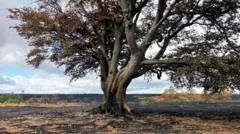
A survey by Forestry England has revealed extensive damage to the New Forest following a wildfire that broke out on 9 August, with ancient oak and beech trees, rare heathland and wetland areas all devastated. The government agency warned it could take decades for the environment to fully recover, highlighting the severity of an incident that began when a van caught fire on the A31 dual carriageway.
More than 1 sq km (247 acres) of the national park has been destroyed, with inspectors finding areas stripped of vegetation, dead wildlife and scorched bogs. Several centuries-old trees were lost after the fire burned into their root systems, while rare wetland plant pillwort was among the vegetation destroyed. A rescue mission found some surviving reptiles and amphibians, including a sand lizard, which were relocated, and recovery efforts will draw on lessons from a 2020 heathland fire in Wareham, Dorset, using heather cuttings to protect the soil. The A31 through the forest remains closed for repairs and is not expected to reopen before the weekend.
In short
- New Forest wildfire destroyed over 1 sq km of woodland and heath
- Ancient trees, rare plants and wildlife lost; recovery could take decades
- A31 remains closed for fire damage repairs until at least the weekend
Explained simply
The New Forest is a national park in southern England, known for its heathland, wetlands and ancient woodland. Its varied habitats support wildlife including reptiles and amphibians, and some plants found there are rare.
Forestry England manages much of the forest and monitors its landscapes and trees. Heathland and wetland can be slow to recover after a fire: heat may damage soil and roots, while the loss of vegetation can affect wildlife and expose the ground to further harm.
Damage to these habitats matters beyond the immediate loss of trees and plants, because recovery may take many years and wildlife depends on places to feed and shelter. The A31 runs through the forest, linking communities and carrying traffic across the area.