Historic hall a step closer to reopening to public
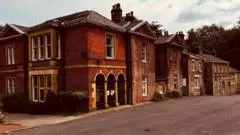
A campaign group is seeking a two-year community asset transfer agreement with Sheffield City Council to bring the Grade II listed Meersbrook Hall back into use after it has stood empty since 2023. Under the proposal, the council would retain ownership while the Friends of Meersbrook Hall would take over day-to-day management, gradually reintroducing community activities to prevent the historic building from deteriorating further.
The Friends group was initially granted a two-month access licence from August and plans events including a community clean-up weekend and a picnic while it develops a full business case. Built as a family home in the 18th century, the hall was bought by Sheffield Corporation in 1887, became the Ruskin Museum in 1890, and later served as council offices before Heeley Trust occupied it from 2016 to 2023. The group says roof repairs, mould removal and accessibility improvements will likely be needed before the building can reopen to the public.
- Campaigners seek two-year deal to run empty Meersbrook Hall
- Council would keep ownership; Friends group manages day-to-day
- Repairs needed for roof, mould and accessibility before reopening
New here? Start with this
Meersbrook Hall is an 18th-century Grade II listed building in Sheffield, meaning it is recognised for its historic importance. It has served as a family home, a museum and council offices, and was occupied by Heeley Trust from 2016 until 2023.
The Friends of Meersbrook Hall is a local campaign group seeking to manage the building’s daily use under an agreement with Sheffield City Council, which would keep ownership. The proposal matters because the hall has been empty and may need repairs, while community use could help bring it back into use and prevent further deterioration.
Both sides, in good faith
The strongest fair case each way — we don't pick a winner.
The case for
Community asset transfers offer a practical solution for heritage preservation when council resources are constrained. Volunteer groups can activate underused buildings through community engagement and activity whilst councils retain ownership and ultimate responsibility, as demonstrated by successful similar initiatives elsewhere. The time-limited trial approach minimises risk by allowing testing of viability with clear council oversight. This enables heritage preservation and community participation without overburdening council budgets.
The case against
Grade II listed buildings require specialist conservation expertise that volunteer groups typically lack, and improper work can cause irreversible damage to heritage value. The building's complex needs—roof repairs, mould removal, accessibility improvements—demand professional knowledge and sustained funding that volunteers are unlikely to provide reliably. Council direct stewardship, supported by proper conservation grants and expert management, offers more assured long-term protection for this listed building. Delegating responsibility to volunteers risks compromising the preservation standards necessary for historical significance.