Entertainment news and discussion on TalkFuse.
There Will Never Be Another Game Like Metal Gear Solid 4
Developed over time first seen 3 months ago
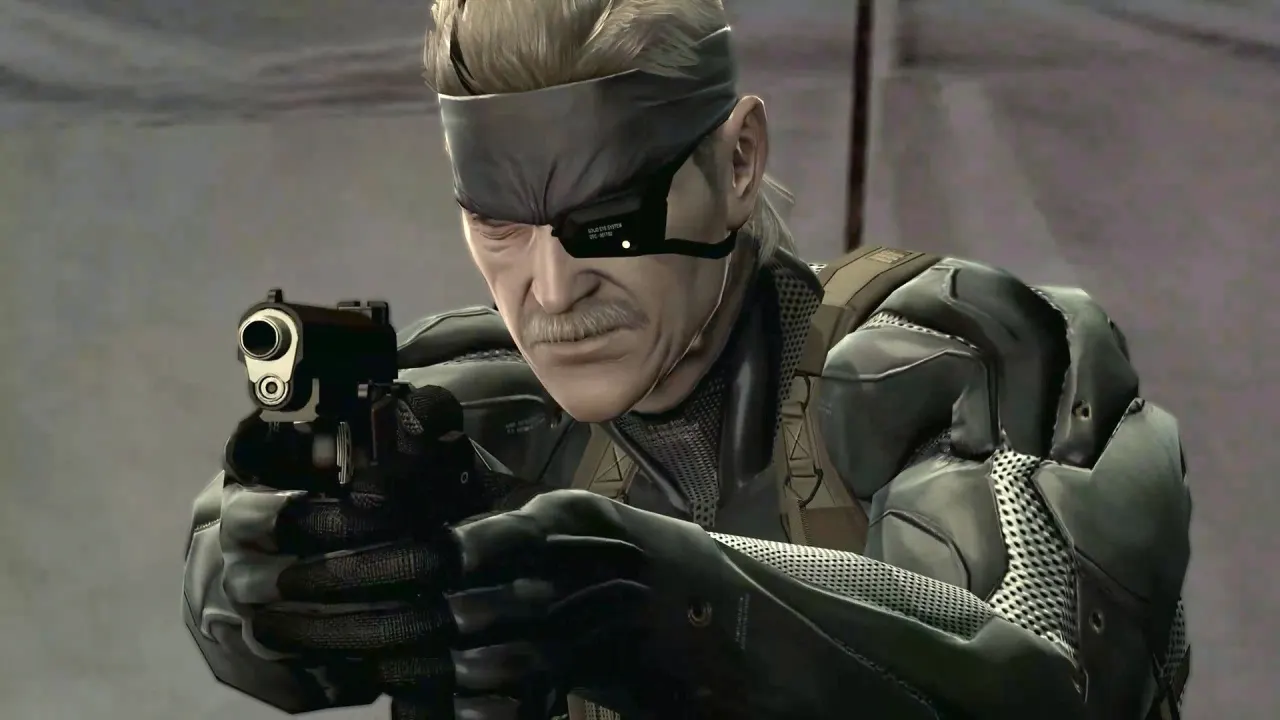
Metal Gear Solid Master Collection: Vol. 2 has brought Metal Gear Solid 4: Guns of the Patriots to PC and modern consoles for the first time, alongside Metal Gear Solid: Peace Walker and Metal Gear: Ghost Babel, in a significant moment for game preservation following the PlayStation 3 store's recent closure. Polygon's review argues that, 18 years on, the game's unflinching political commentary and anti-war themes feel more relevant than ever, and that its style of blockbuster, auteur-driven storytelling directed by Hideo Kojima is unlikely to be replicated in modern gaming.
The remaster is a faithful port rather than a rewrite, preserving both the original's strengths and its flaws, including lengthy cutscenes (one runs 70 minutes), tough boss fights, tedious tailing missions and clunky third-person shooting, with only a minor voice-line tweak to reflect the removal of disc-swapping. Set five years after Metal Gear Solid 2, the game follows a dying Solid Snake on a final mission against a global military conspiracy, and the review highlights its direct critique of the military-industrial complex, developed during the War on Terror, as more striking than its dated stealth-action gameplay.
- Sources
- 2
- Outlets
- 2
- Left · Centre · Right
- 0 · 0 · 0
In short
- MGS4 finally playable on PC and modern consoles via Master Collection: Vol. 2
- Also includes Peace Walker and Ghost Babel; aids PS3-era game preservation
- Review praises its political themes but notes gameplay has aged poorly
How this story developed
- 3 months ago Metal Gear Solid Master Collection: Vol.
- 3 months ago Metal Gear Solid Master Collection: Vol.
Steelman: both sides, in good faith
The strongest fair case each way — we don't pick a winner.
The case for
The modern AAA gaming industry has consolidated around risk-averse corporate decision-making and live-service monetisation models, making it increasingly unlikely that a major publisher would fund the kind of auteur-driven blockbuster vision that Kojima exercised with Metal Gear Solid 4. The specific confluence of factors that allowed Kojima complete creative control over a major budget—without pressure for ongoing monetisation, franchise mechanics, or shareholder demands for quarterly returns—has largely evaporated from the industry. Even when ambitious projects are greenlit, corporate oversight and development complications often compromise the original artistic vision in ways that would have been unthinkable during the PS3 era.
The case against
Whilst AAA publishing has changed, ambitious, politically-engaged games continue to be made and succeed across multiple contexts. Kojima himself proved auteur vision persists after leaving Konami by creating Death Stranding, and numerous indie studios and smaller publishers fund experimental, narrative-heavy games regularly. The gaming landscape is actually more diverse now, with varied funding models and distribution channels enabling creative storytelling in ways that did not exist in 2014. Rather than declaring the form extinct, one might recognise it has evolved beyond the AAA blockbuster context—and players consistently demonstrate appetite for and reward complex, ambitious narratives wherever they appear.
Explained simply
Metal Gear Solid is a long-running series of stealth-action video games created by Japanese designer Hideo Kojima, known for blending tense sneaking gameplay with lengthy, cinematic storytelling and pointed political themes. Metal Gear Solid 4: Guns of the Patriots, released in 2008, was the fourth main entry and originally appeared only on Sony's PlayStation 3 console, making it unavailable on newer hardware or PC for many years.
That changed with the release of Metal Gear Solid Master Collection: Vol. 2, a package that brings MGS4 to modern platforms for the first time, alongside two other older titles in the series. Its arrival is notable partly because Sony recently shut down the PlayStation 3's digital store, meaning older games tied to that platform can otherwise become harder to access, so re-releases like this one matter for preserving access to gaming history.
MGS4 was made during the era of the War on Terror and is known for weaving anti-war commentary and criticism of the arms industry into its story, alongside elaborate boss battles and famously long cutscenes. It received a mixed critical reception on its original release, and discussion of the new version has centred on whether its ambitious storytelling and political themes still resonate today, even where its gameplay mechanics show their age.