Culture news and discussion on TalkFuse.
The 24-hour American diner is vanishing — here’s what’s driving the decline
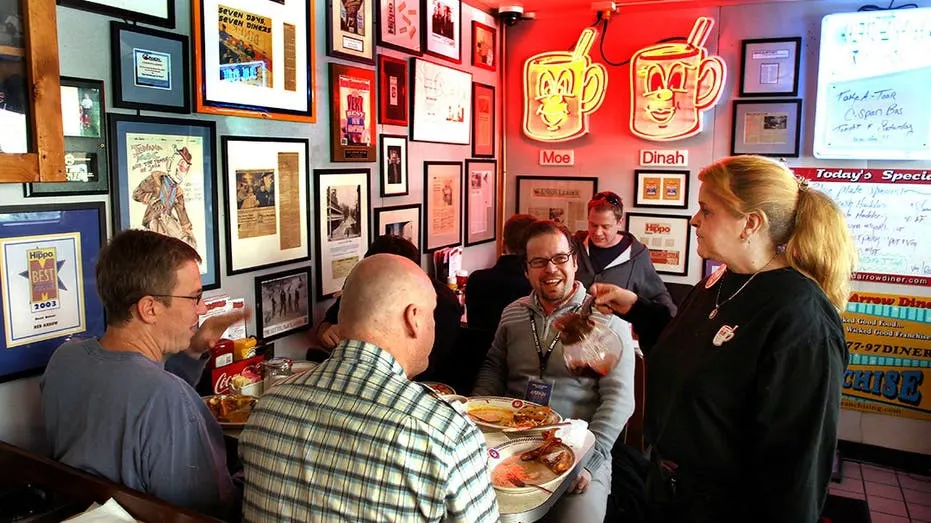
The number of 24-hour diners across the United States has fallen by around 11%, as rising costs, staffing shortages and changing customer habits push more establishments to scale back overnight service. Despite the trend, a small number of long-standing diners are determined to preserve the round-the-clock tradition, viewing it as a core part of American diner culture rather than a purely financial calculation.
Among those bucking the trend is the Red Arrow Diner, which first opened in Manchester, New Hampshire, in 1922 and has since grown into a four-location chain in the state. Co-owners Amanda Wihby and George Lawrence say the 24-hour model helps sustain the diner's welcoming, always-open atmosphere, which they regard as an enduring piece of American heritage even as the wider industry moves away from it.
In short
- 24-hour diners have declined by about 11% nationwide.
- Rising costs and staffing issues are driving diners to cut overnight hours.
- New Hampshire's Red Arrow Diner, founded in 1922, still runs around the clock.
Steelman: both sides, in good faith
The strongest fair case each way — we don't pick a winner.
The case for
Many diner owners are responsibly adapting to genuine economic pressures: rising labour costs, energy expenses, and changing consumer habits have made round-the-clock operation unsustainable for most establishments. These proprietors are making rational decisions to ensure their businesses remain viable and can continue serving their communities in whatever form is feasible. Expecting diners to maintain unprofitable overnight service for cultural or sentimental reasons places unreasonable burdens on individual business owners and may ultimately harm the broader industry by depleting resources needed elsewhere.
The case against
The decline of 24-hour diners represents a loss of culturally significant and socially essential institutions that serve vulnerable populations. These establishments provide affordable food and safe gathering spaces for night-shift workers, insomniacs, homeless individuals, and others who have few alternatives during overnight hours. The Red Arrow Diner's success demonstrates that the model remains viable when owners prioritise community alongside profit. Their preservation reflects a principle that certain essential services should remain accessible regardless of the hour, and that cultural heritage justifies effort beyond immediate financial return.
Explained simply
American diners are casual restaurants known for familiar food, counter seating and long opening hours. Being open through the night has made some a place to eat for people working late, travelling or out after other places have closed.
Keeping a diner open all night means paying for staff, energy and supplies during hours when fewer customers may come in. Higher costs, difficulty finding staff and changes in when people eat have led many owners to reduce overnight service.
The Red Arrow Diner in New Hampshire is one business that still sees round-the-clock opening as part of its identity. Its co-owners, Amanda Wihby and George Lawrence, describe the tradition as part of the diner’s cultural history as well as a business choice.