Child safety experts are skeptical of OpenAI’s ChatGPT for Teens
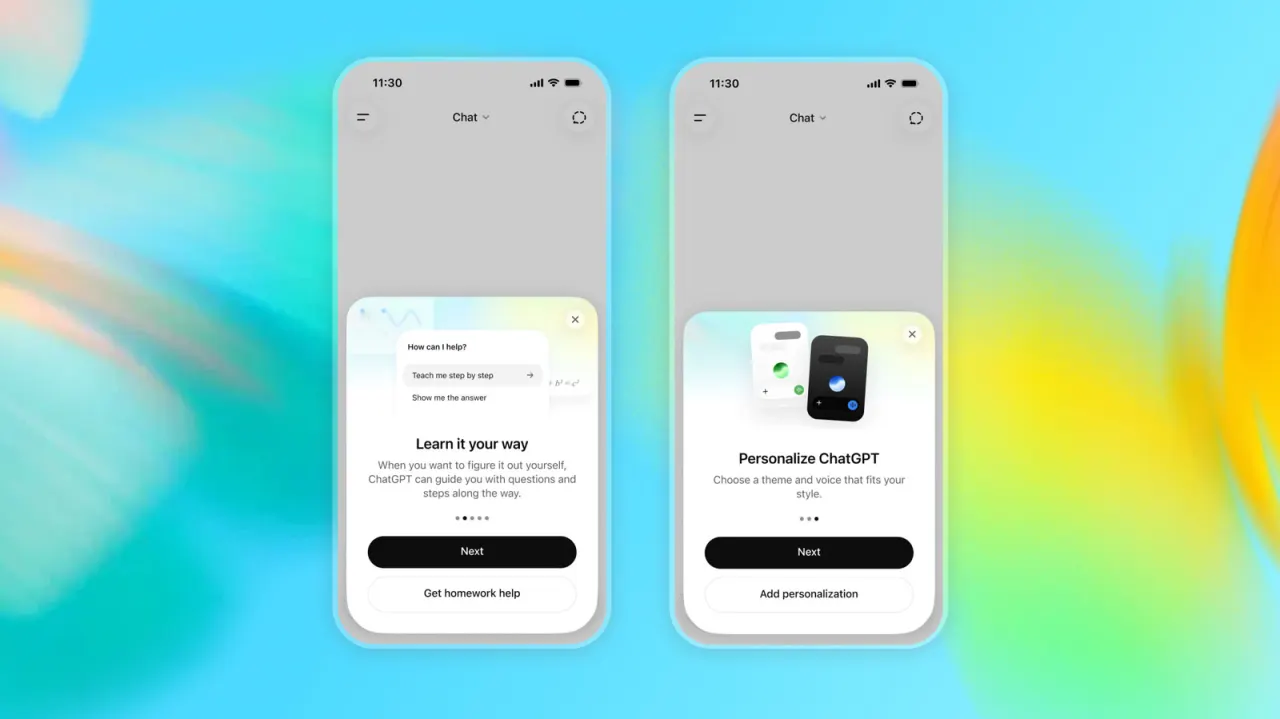
OpenAI has launched ChatGPT for Teens, an age-gated version of its chatbot that automatically detects likely under-18 users and directs them into a safer default experience, without requiring a new account. The rollout comes after the company pledged last September to build such a system following the death of 16-year-old Adam Raine, whose parents allege in a lawsuit that ChatGPT contributed to his suicide. Child safety experts broadly welcomed the intent but said OpenAI must prove the safeguards actually work before the product can be trusted by families, given surveys already show roughly a quarter of US teenagers use the chatbot for schoolwork.
The new version nudges teenagers towards educational tools such as Study Mode and data visualisations, while OpenAI will also alert linked parent accounts if a child has unsafe conversations about eating disorders, and has published an updated model policy barring romantic language or claims of consciousness towards under-18s. However, campaigners including Common Sense Media's Robbie Torney and Fairplay's Josh Golin argue OpenAI has released no data on the age-detection system's accuracy, no independent testing, and no accountability mechanism, warning that existing safety filters on topics like suicide and drugs have already proven unreliable and easily bypassed.
- OpenAI launches ChatGPT for Teens with automatic age detection and safety nudges
- Move follows lawsuit alleging ChatGPT enabled a teenager's suicide
- Experts say safeguards are untested and lack independent verification or accountability
New here? Start with this
ChatGPT is a chatbot made by OpenAI, a company that develops artificial intelligence tools. It can answer questions and help with tasks such as schoolwork, and many teenagers already use it. Because young people may turn to chatbots for personal as well as practical questions, how the tools respond to them has become a child-safety issue.
OpenAI says its teen experience is designed for users under 18, with age detection, restrictions on some conversations and alerts to linked parents in certain situations. The debate follows the death of 16-year-old Adam Raine; his parents allege in a lawsuit that ChatGPT contributed to his suicide. Child-safety groups say the protections need independent testing and evidence that they work, including checks on whether the system identifies teenagers accurately.
Both sides, in good faith
The strongest fair case each way — we don't pick a winner.
The case for
Supporters of OpenAI's approach would argue that building automatic age-detection without requiring a new account is a genuine technical challenge, and that the company has moved from pledge to a functioning product with concrete features, such as parental alerts on eating-disorder conversations and explicit bans on romantic or consciousness-claiming language toward minors, within less than a year of the tragedy that prompted it. Given that roughly a quarter of teenagers already use ChatGPT regardless of formal safeguards, they would contend that imperfect protections nudging young users toward safer, educational tools are better than none, and that such systems inevitably need real-world deployment and iteration to be refined rather than being held back indefinitely awaiting perfect verification.
The case against
Critics such as Common Sense Media's Robbie Torney and Fairplay's Josh Golin would argue that a company with OpenAI's resources should not ask families to trust a child-safety system on faith, particularly since earlier safeguards around suicide and drug-related content have already proven unreliable and easily bypassed. They would point out that this rollout follows a lawsuit alleging ChatGPT contributed to a teenager's death, and that releasing no accuracy data on the age-detection system, alongside no independent testing or accountability mechanism, means the safety claims are essentially self-certified. When the stakes involve children's mental health, they would argue, the burden of proof should fall on OpenAI to demonstrate the safeguards work before mass rollout, not be established retroactively through harm to real children.